
Compare models

iPhone 17 vs iPhone 17 Pro Max

  • 1-year warranty
  • Free standard shipping
  • Free 30-day returns
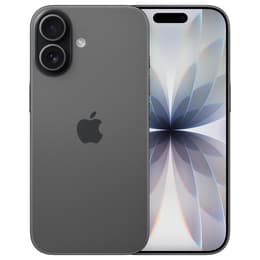
iPhone 17
Starting at

Refurbished price:A$1,503.05

Versus A$1,549.00 new

See options
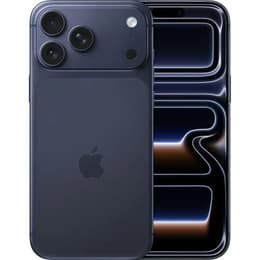
iPhone 17 Pro Max
Starting at

Refurbished price:A$1,746.00

Versus A$1,749.00 new

See options

Differences at a glance

The iPhone 17 and iPhone 17 Pro Max are smartphones released by Apple in September 2025 as part of the nineteenth generation of the iPhone line. While both devices run on the iOS operating system and share a modern design ethos, they differ primarily in physical dimensions, screen size, and multi-camera capabilities. This comparison explores how their functional differences translate into everyday usage.

Available Models

Colour

Storage (GB)

Scores

Durability

Both models share the same release year and benefit from Apple's long-term software update schedule, though physical characteristics and battery wear differ across formats.

  • Software Support: Both devices receive regular iOS updates and security patches simultaneously, ensuring equal multi-year software longevity.
  • Repairability: Both models feature standard water resistance ratings (IP68) and similar internal layouts, though larger variants require broader screen replacements if damaged.
  • Expected Lifespan: Both units sustain several years of daily use, with larger capacity variants experiencing lower charge cycle stress over extended periods.

Release year

2025

2025

Compatible with latest Update

Yes

Yes

Operating system

iOS

iOS

Foldable

No

No

Performance

The standard model and the larger pro-tier device offer robust day-to-day speed, though they cater to different multitasking demands and storage configurations.

  • System Responsiveness: Both devices handle everyday apps, web browsing, and heavy multitasking smoothly without lag, supported by generous system memory.
  • Battery Behavior: The larger format provides extended battery endurance for heavy multi-day tasks, while the standard variant requires nightly charging under intensive use.
  • Storage Options: The standard model starts at higher capacity baseline tiers, whereas the larger pro-tier device extends up to massive capacity tiers for extensive media archives.

Screen quality

Display technology is a major differentiator, split primarily between viewing expanse and physical footprint.

  • Display Technology: Both models utilize vibrant OLED panels with adaptive refresh rates up to 120Hz for fluid scrolling and motion clarity.
  • Viewing Expanse: The standard device features a compact 6.3-inch screen, whereas the larger model offers an expansive 6.9-inch display suited for media viewing.
  • Outdoor Visibility: Both panels reach high peak outdoor brightness levels, ensuring readability under direct sunlight.

Audiovisual

Optics and media creation capabilities vary significantly between the dual-lens configuration and the advanced triple-lens system.

  • Camera Systems: The standard model includes a capable dual-lens setup, while the larger format integrates a triple-lens system featuring dedicated optical zoom.
  • Photography and Video: Both units excel in low-light environments and record stable high-resolution video, but the pro-tier device adds specialized reach for distant subjects.
  • Audio Output: Both devices feature stereo speakers that deliver balanced spatial audio for calls and media consumption.

Front camera

18 megapixels

18 megapixels

Miscellaneous

Physical dimensions and connectivity standards define how each device handles in daily handling and travel scenarios.

  • Build and Handling: The standard model features a lighter aluminum frame (177 g), whereas the larger model utilizes a heavier build (233 g) designed for a maximized viewing area.
  • Connectivity: Both models support current-generation 5G networks, Wi-Fi 7, and universal USB-C ports for charging and data transfer.
  • Biometrics: Both devices rely on facial recognition sensors embedded within the display notch area.

Weight

177 oz

233 oz

Screen size (in)

6.3

6.9

Network

5G

5G

SIM card

Physical SIM + eSIM

eSIM

Carrier compatibility

Unlocked

Unlocked

Connector

USB-C

USB-C

What the community thinks

Online community discussions indicate that users appreciate the standard model for its balanced weight, manageable daily footprint, and core capability. Common criticisms for the smaller device center on its shorter battery endurance during prolonged media sessions compared to its larger sibling. Conversely, the larger model receives consistent praise for its expansive viewing area and extended battery capacity, though users frequently note that its heavier footprint and wider chassis are less comfortable for one-handed pocket use.

Users prioritizing a lightweight device for comfortable one-handed operation may prefer the standard iPhone 17. Meanwhile, users prioritizing maximum screen space for media consumption and longer battery intervals between charges will lean toward the iPhone 17 Pro Max. Those exploring a quality-assured refurbished option can find both models as eco-friendly alternatives that reduce electronic waste while offering verified performance.