
Compare models
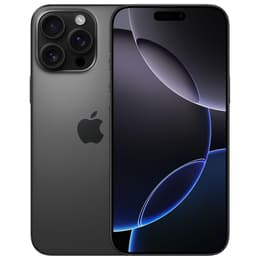
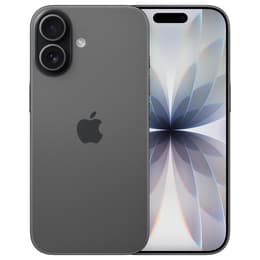
iPhone 16 Pro Max vs iPhone 17
- 1-year warranty
- Free standard shipping
- Free 30-day returns
Differences at a glance
The iPhone 16 Pro Max (2024) and the iPhone 17 (2025) represent two different approaches to modern smartphone engineering from Apple. While the iPhone 16 Pro Max focuses on providing an expansive display and an advanced multi-lens camera system, the newer iPhone 17 brings updated internal capabilities and modern features to a standard device format. Both models run on iOS and offer long-term software support, though they target distinct preferences in screen size and daily handling.
Available Models
Colour
Storage (GB)
Scores
Durability
When examining longevity and durability, both models are built to remain functional and receive regular software updates for many years, though their release schedules place them a year apart.
- Software Support Timeline: Because the iPhone 17 launched a year later, it extends software and security update coverage by an additional year compared to its predecessor.
- Build and Repairability: Both devices utilize durable glass and metal construction with high-level water and dust resistance, making them structurally resilient for everyday carry.
- Expected Lifespan: Both smartphones maintain strong processing overhead, ensuring they continue handling future software updates smoothly over a multi-year ownership cycle.
Release year
2024
2025
Compatible with latest Update
Yes
Yes
Foldable
No
No
Performance
System performance and everyday responsiveness differ slightly depending on the generation and internal component layout of each device.
- Storage Configurations: The iPhone 16 Pro Max offers configurations ranging up to high-tier capacities, whereas the newer iPhone 17 begins with a larger baseline storage capacity out of the box.
- Task Handling: Both models manage demanding applications, graphic-heavy gaming, and rapid multitasking smoothly without noticeable lag or stutter.
- Battery Behavior: The larger physical footprint of the iPhone 16 Pro Max accommodates a higher-capacity battery designed for extended mixed usage, while the iPhone 17 optimizes power efficiency effectively within a more compact body.
Screen quality
Visual output across both displays delivers crisp detail and vibrant colors, though they differ significantly in physical dimensions and peak brightness parameters.
- Display Technology: Both devices employ advanced OLED panels featuring high refresh rates for smooth scrolling, fluid animations, and deep contrast levels.
- Size and Viewing: The iPhone 16 Pro Max features a much larger screen area suited for media consumption, whereas the iPhone 17 provides a balanced mid-sized canvas that is easier to manage with one hand.
- Outdoor Visibility: Both screens reach high peak brightness levels in direct sunlight, ensuring clear legibility outdoors during bright daylight conditions.
Audiovisual
Photography and media capabilities vary to reflect the distinct design philosophies of a large-format pro device versus a newer standard-tier model.
- Lens Selection: The iPhone 16 Pro Max includes a dedicated telephoto zoom lens for distant subjects, while the iPhone 17 relies on a versatile dual-lens array covering wide and ultra-wide perspectives.
- Low-Light Capture: Both models handle dim environments well, utilizing sensor processing to reduce noise and preserve detail in evening or indoor shots.
- Video and Audio: Video recording remains stable and sharp across both options, supported by clear multi-microphone setups for clean audio pickup during recording and calls.
Front camera
12 megapixels
18 megapixels
Miscellaneous
Physical handling, connectivity standards, and daily convenience features shape how each device fits into routine user workflows.
- Physical Dimensions: The iPhone 16 Pro Max is significantly heavier and larger, requiring two-handed use for most tasks, whereas the iPhone 17 is lighter and easier to pocket.
- Connectivity: Both models support modern high-speed wireless standards, 5G cellular networks, and fast cable charging via a standard USB-C port.
- Biometrics: Both smartphones utilize face recognition sensors housed within the screen cutout for secure unlocking and authentication.
Weight
227 oz
177 oz
Screen size (in)
6.9
6.3
Network
5G
5G
SIM card
eSIM
Physical SIM + eSIM
Carrier compatibility
Unlocked
Unlocked
Connector
USB-C (USB 3)
USB-C
What the community thinks
Deciding between these two models depends largely on how you prioritize physical size, display area, and camera versatility in daily use. Users who prefer an expansive screen for media viewing and a dedicated zoom lens for photography often gravitate toward the iPhone 16 Pro Max. Conversely, users who prioritize a lighter, more pocket-friendly device with updated internal processing often lean toward the iPhone 17. Looking into a quality-assured refurbished option provides a sustainable choice that extends device lifecycles while maintaining high performance standards. Ultimately, matching your personal handling preferences to each device's strengths will guide you to the right choice.