
Compare models

Galaxy S23 Ultra vs iPhone 17

  • 1-year warranty
  • Free standard shipping
  • Free 30-day returns
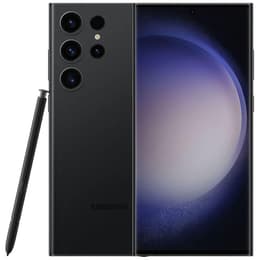
Galaxy S23 Ultra
Starting at

Refurbished price:A$630.99

Versus A$2,112.00 new

See options
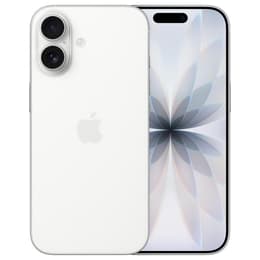
iPhone 17
Starting at

Refurbished price:A$1,229.00

Versus A$1,549.00 new

See options

Differences at a glance

The Samsung Galaxy S23 Ultra (2023) and the Apple iPhone 17 (2025) represent distinct approaches to high-end smartphone engineering, blending expansive screen real estate with advanced mobile capabilities. While the Samsung flagship anchors itself in Android versatility with an integrated stylus, Apple's device introduces modern software efficiencies and an updated mobile platform running iOS. Both models cater to users seeking dependable daily tools, though their hardware ecosystems and physical formats target slightly different preferences.

Available Models

Colour

Storage (GB)

Scores

Durability

When examining longevity and physical endurance, both devices offer robust builds designed to withstand years of routine handling, though their release schedules place them at different stages of their respective software support lifecycles.

  • Software longevity: The iPhone 17 benefits from a newer release year, securing extended operating system updates compared to the slightly older release timeline of the Galaxy S23 Ultra.
  • Repairability and build: Both models utilize reinforced front glass and sturdy framing to resist daily wear, while professional technician networks provide standard part replacements when maintenance is needed.
  • Practical lifespan: Solid internal hardware configurations ensure that both smartphones maintain reliable day-to-day functionality over multi-year usage periods.

Release year

2023

2025

Compatible with latest Update

Yes

Yes

Operating system

Android

iOS

Foldable

No

No

Performance

Underneath the exterior, both smartphones deliver responsive processing power capable of handling demanding apps, intense multitasking, and lengthy web-browsing sessions without noticeable stutter.

  • System responsiveness: Modern multi-core processors and ample random access memory ensure smooth app switching, rapid loading times, and fluid navigation across all installed software.
  • Battery behavior: Efficient power management allows both models to easily navigate a full day of mixed usage, balancing screen-on time with standby efficiency.
  • Storage configurations: Generous base storage tiers provide ample room for large photo libraries, downloaded media files, and offline documents.

Screen quality

Visual output is a primary focal point for both devices, utilizing advanced display panels that deliver crisp text reproduction and deep contrast ratios for media viewing.

  • Display technology: Both phones incorporate high-clarity organic light-emitting diode panels that produce vivid colors and deep black levels for an immersive viewing experience.
  • Outdoor visibility: High peak brightness capabilities ensure that screens remain legible and clear even when used directly under bright sunlight.
  • Refresh rate smoothness: Adaptive high refresh rate technology supports fluid scrolling through long documents and responsive motion handling during gaming.

Audiovisual

Imaging hardware on these smartphones accommodates diverse photography styles, ranging from expansive landscape framing to detailed close-up shots.

  • Sensor capabilities: Multi-lens rear camera arrays capture sharp images across various focal lengths, supported by advanced processing software that enhances clarity in challenging lighting.
  • Video recording: High-resolution video capture modes offer robust stabilization options, ensuring smooth footage whether recording stationary scenes or moving subjects.
  • Audio and calls: Integrated multi-microphone arrays isolate voices clearly during phone calls and video chats, while stereo speaker setups provide balanced sound output for casual media consumption.

Front camera

12 megapixels

18 megapixels

Miscellaneous

Everyday usability is shaped by connectivity standards, physical dimensions, and ergonomic choices embedded into each device's structural design.

  • Connectivity standards: Modern wireless protocols and fifth-generation cellular compatibility ensure fast data transfer speeds and stable network connections in supported coverage areas.
  • Port types and sensors: Universal reversible charging ports simplify cable management, while secure biometric authentication sensors provide quick, reliable device unlocking.
  • Dimensions and handling: The Galaxy S23 Ultra features a larger footprint and an integrated stylus slot suited for note-taking, whereas the iPhone 17 offers a more compact, balanced hand-feel.

Weight

234 oz

177 oz

Screen size (in)

6.8

6.3

Network

5G

5G

SIM card

Dual Physical SIM + eSIM

Physical SIM + eSIM

Carrier compatibility

Unlocked

Unlocked

What the community thinks

Choosing between the Samsung Galaxy S23 Ultra and the iPhone 17 ultimately depends on individual platform preferences and daily workflow priorities. Users prioritizing expansive screen space, multi-lens versatility with a dedicated stylus, and the open customization of Android will find the Galaxy S23 Ultra well-suited to their needs. Conversely, users who prefer the streamlined ecosystem of iOS, a lighter physical format, and extended software support timelines may lean toward the iPhone 17. Selecting a quality-assured refurbished option through platforms like Back Market provides an eco-friendly alternative for acquiring either model while reducing electronic waste. Both devices deliver robust computing capabilities capable of satisfying demanding everyday requirements without unnecessary complexity.


See all articles