
Compare models

Galaxy Tab S8 Ultra (14.6", 2022) vs iPad Pro (2025, M5 series)

  • 1-year warranty
  • Free standard shipping
  • Free 30-day returns
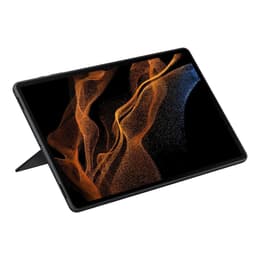
Galaxy Tab S8 Ultra (14.6", 2022)
Starting at

Refurbished price:A$831.00

Versus A$2,227.00 new

See options
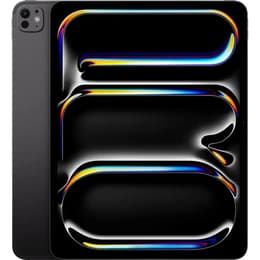
iPad Pro (2025, M5 series)
Starting at

Refurbished price:A$1,759.00

Versus A$2,199.00 new

See options

Differences at a glance

The Samsung Galaxy Tab S8 Ultra (2022) and the Apple iPad Pro (2025, M5 series) represent high-end large-format tablet computing from different generations and ecosystems. While the Galaxy Tab S8 Ultra emphasizes an expansive canvas view running on Android, the iPad Pro delivers cutting-edge processing efficiency and tablet optimization through iPadOS.

Available Models

Colour

Storage

Scores

Durability

Evaluating the lifespan and software support of these large-format tablets reveals distinct timelines shaped by their release years and manufacturer update policies.

  • Release timeline and age: The Galaxy Tab S8 Ultra arrived in early 2022, whereas the iPad Pro debuted in late 2025, giving the Apple device a newer production baseline.
  • Software support duration: The iPad Pro benefits from Apple's extended update cycles for its modern processor architecture, while the Galaxy Tab S8 Ultra relies on Samsung's multi-year update commitment starting from its 2022 launch.
  • Expected practical lifespan: Both devices feature robust aluminum chassis constructions designed for longevity, though the newer hardware baseline of the iPad Pro provides additional headroom for future operating system demands.

Release year

2022

2025

Compatible with latest Update

Yes

Yes

Operating system

Android

iPadOS

Performance

System responsiveness and day-to-day speed vary due to architectural differences, storage configurations, and multitasking implementations.

  • Processor capabilities: The iPad Pro handles demanding professional applications, rendering tasks, and graphics-heavy software smoothly thanks to its advanced internal silicon. The Galaxy Tab S8 Ultra manages everyday multi-window workflows, media streaming, and casual gaming efficiently with its 2022 flagship processor.
  • Storage and memory: Both models offer varied configurations reaching up to high-capacity storage tiers paired with generous random-access memory pools to facilitate seamless multitasking and heavy file management.
  • Battery behavior: The Galaxy Tab S8 Ultra features a large battery capacity tailored to sustain its expansive display through typical daily work sessions, while the iPad Pro balances its high-efficiency silicon to maintain predictable battery endurance across mixed usage.

Screen quality

Visual immersion and panel technologies differ significantly in size, format, and brightness handling between the two models.

  • Display technology: The Galaxy Tab S8 Ultra utilizes a massive 14.6-inch Super AMOLED screen providing deep contrast levels and vibrant colors. The iPad Pro employs a high-brightness tandem OLED panel delivering exceptional clarity and luminous outdoor visibility.
  • Refresh rate and smoothness: Both devices support smooth 120Hz refresh rates, ensuring fluid scrolling, responsive stylus input, and seamless animations during navigation.
  • Viewing experience: The Samsung model offers a wider cinematic aspect ratio suited for split-screen productivity and widescreen media, while the iPad Pro provides a balanced format geared towards digital illustration and document editing.

Resolution

1848 x 2960

2752 x 2064

Screen type

Super AMOLED

Ultra Retina XDR display

Audiovisual

Media recording and audio reproduction capabilities cater to remote collaboration and content capture in distinct ways.

  • Camera systems: The Galaxy Tab S8 Ultra incorporates dual front-facing lenses housed within a small display notch alongside a dual rear camera setup. The iPad Pro features a landscape-oriented front camera paired with a high-resolution single rear lens and advanced depth sensors.
  • Video and audio output: Both tablets deliver clear microphone performance for virtual meetings and online classes, supported by multi-speaker array setups that produce rich sound distribution for media consumption.
  • Everyday photography: Rear cameras on both units handle document scanning and casual snapshots reliably, though they are primarily secondary features compared to their primary display functions.

Miscellaneous

Physical dimensions, connectivity standards, and daily handling characteristics define the practical usability of each device.

  • Build and handling: The Galaxy Tab S8 Ultra measures 5.5 millimetres in thickness and weighs approximately 726 grams, offering an exceptionally thin profile despite its large footprint. The iPad Pro features a slim aluminum build weighing around 579 grams for the 13-inch configuration.
  • Ports and connectivity: The iPad Pro includes a high-speed Thunderbolt-capable connection alongside advanced wireless standards, while the Galaxy Tab S8 Ultra relies on a standard USB-C port and reliable wireless networking.
  • Authentication and extras: Samsung includes an accompanying low-latency stylus in the box, whereas Apple supports dedicated separate stylus accessories. Both models utilize secure biometric authentication via facial recognition or integrated fingerprint sensors.

Weight

726 oz

579 oz

Screen size (in)

14.6

13

Network

Wi-Fi + 5G

Wi-Fi

Carrier compatibility

Unlocked

Without SIM Port

What the community thinks

Users prioritizing an expansive multi-window workspace and a widescreen cinematic display often lean toward the Galaxy Tab S8 Ultra. Conversely, users seeking intensive processing capability, advanced drawing fidelity, and long-term software support frequently prefer the iPad Pro. Real-world feedback indicates that owners appreciate the gorgeous screen estate of the Samsung model for split-app workflows, while iPad Pro users frequently praise its fluid system responsiveness and robust accessory integration. When exploring these choices, opting for a quality-assured refurbished option via Back Market provides a sustainable path to acquiring high-end technology while reducing electronic waste.


Our recent comparisons