Compare models
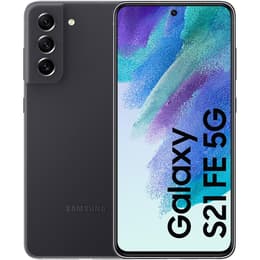
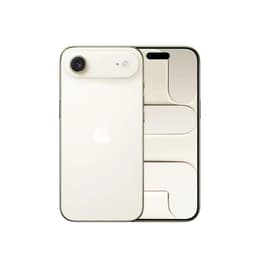
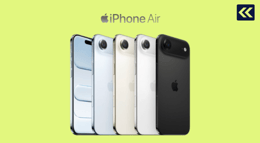
Galaxy S21 FE 5G vs iPhone Air
- 1-year warranty
- Free standard shipping
- Free 30-day returns
Differences at a glance
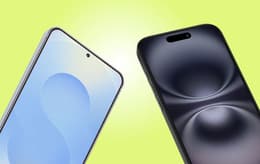
The Samsung Galaxy S21 FE 5G (2022) and the Apple iPhone Air (2025) represent two distinct approaches to smartphone design and everyday usability. While the Galaxy S21 FE provides a well-rounded Android experience geared toward functional versatility, the iPhone Air introduces an ultra-slim hardware profile running iOS. These devices cater to different software ecosystems and physical handling preferences while addressing modern connectivity needs.
Available Models
Colour
Storage
Scores
Durability
When examining hardware longevity and software support, both smartphones offer distinct timelines based on their respective release dates and manufacturer policies.
- Software Support and Updates: The Galaxy S21 FE runs on the Android ecosystem with a defined multi-year update window, whereas the newer iPhone Air benefits from Apple's extended software lifecycle support via iOS.
- Build and Repairability: Both models utilize robust outer frames and reinforced front glass protection, though their internal layout designs require professional assistance for component replacements.
- Practical Lifespan: Users selecting the iPhone Air will experience a longer window of active system updates due to its more recent release year, while the Galaxy S21 FE suits those looking for established platform stability.
Release year
2022
2025
Compatible with latest Update
Yes
Yes
Operating system
Android
iOS
Foldable
No
No
Performance
Performance capabilities vary significantly between the two models, influencing how smoothly they handle multitasking, gaming, and everyday applications.
- Processor and Speed: The iPhone Air handles demanding applications and complex workflows smoothly with its current-generation internal architecture, while the Galaxy S21 FE manages routine daily tasks like web browsing and messaging reliably using its mature hardware configuration.
- Multitasking and Memory: Generous system memory allocations on the iPhone Air allow for seamless switching between numerous background apps, whereas the Galaxy S21 FE efficiently balances standard multitasking requirements for average daily use.
- Battery Behavior: The Galaxy S21 FE includes a moderate battery capacity designed to last through a standard day of mixed use, while the ultra-thin profile of the iPhone Air houses a specialized battery optimized for efficiency.
Screen quality
Display characteristics define the visual experience on both devices, offering vibrant colors and smooth scrolling for media consumption and reading.
- Display Technology: Both smartphones feature advanced OLED panels that deliver deep black levels, high contrast ratios, and sharp text rendering for daily tasks.
- Brightness and Outdoor Legibility: The iPhone Air achieves high peak outdoor brightness levels for clear visibility under direct sunlight, while the Galaxy S21 FE maintains adequate visibility in bright environments.
- Refresh Rate: Both models support dynamic high refresh rates up to 120Hz, ensuring smooth motion during web scrolling and general navigation.
Resolution
1080 x 2340
2736x1260
Screen type
Dynamic AMOLED 2X
Super Retina XDR
Audiovisual
Imaging and audio hardware differ notably, reflecting each device's physical profile and intended multimedia use case.
- Camera Systems: The Galaxy S21 FE utilizes a versatile multi-lens rear camera setup offering wide, ultra-wide, and telephoto options, whereas the iPhone Air features a single streamlined high-resolution main camera system designed for everyday photography.
- Video and Low-Light: The iPhone Air provides advanced stabilization and high-clarity video recording features, while the Galaxy S21 FE delivers reliable photo output across varied lighting conditions.
- Audio Output: Media consumption and speaker clarity vary, with the iPhone Air employing a simplified speaker layout due to its thin chassis, compared to the standard stereo configuration on the Galaxy S21 FE.
Main camera
12 megapixels
48 megapixels
Front camera
32 megapixels
18 megapixels
Miscellaneous
Physical dimensions, connectivity standards, and daily handling characteristics set these two smartphones apart in practical scenarios.
- Dimensions and Weight: The iPhone Air emphasizes an exceptionally lightweight and thin physical profile that reduces pocket bulk, whereas the Galaxy S21 FE features a traditional smartphone thickness with a textured plastic back.
- Connectivity and Ports: Both devices support fast 5G mobile networks and modern Wi-Fi standards, utilizing a universal USB-C port for charging and data transfer.
- Biometric Security: The Galaxy S21 FE provides an in-display fingerprint sensor alongside facial recognition, while the iPhone Air relies exclusively on advanced facial scanning technology.
Weight
177 oz
165 oz
Screen size (in)
6.4
6.5
Network
5G
5G
SIM card
Physical SIM
eSIM
Carrier compatibility
Unlocked
Unlocked
What the community thinks
User feedback from online communities highlights distinct preferences for each device. Owners of the Galaxy S21 FE frequently praise its practical multi-lens camera versatility and familiar ergonomic feel. Conversely, adopters of the iPhone Air emphasize appreciation for its exceptionally light, thin form factor and fluid operating system performance. Some users note that the ultra-slim design of the iPhone Air results in trade-offs regarding speaker volume and battery endurance, while Galaxy S21 FE users occasionally mention shorter remaining software support timelines.
Users prioritizing an extremely lightweight physical build and long-term software support may prefer the iPhone Air, while individuals looking for a versatile multi-camera array within the Android ecosystem will find the Galaxy S21 FE well-aligned with their needs. For those considering an eco-friendly alternative, exploring a quality-assured refurbished option provides a sustainable way to acquire either device without compromising on performance standards.