
Samsung
Compare models
Differences at a glance
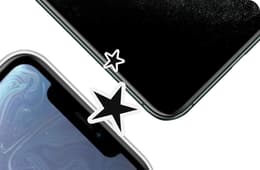
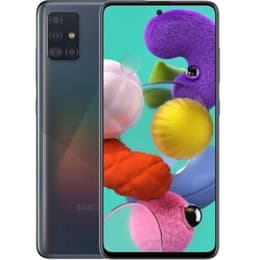
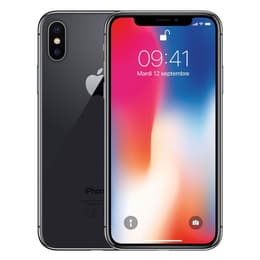
The Samsung Galaxy A51, released in late 2019 and early 2020, and the Apple iPhone X, launched in late 2017, represent different approaches to smartphone design and functionality from their respective manufacturers. While the Galaxy A51 operates on Android, offering a customizable experience, the iPhone X runs on Apple's iOS, known for its integrated ecosystem. Key differentiators include their display technologies, camera configurations, and biometric security methods, catering to varied user preferences.
Colour
Storage
Evaluating the practical lifespan of these devices involves considering their release timelines, software support, and repairability.
Release year
Compatible with latest Update
Operating system
Foldable
The performance of a smartphone is crucial for daily operations, from launching applications to managing multiple tasks.
The display is a primary interface for user interaction, and both devices offer distinct viewing experiences.
Resolution
Screen type
Camera capabilities are a significant factor for many users, and these phones offer different photographic strengths.
Main camera
Front camera
Beyond core features, several practical elements contribute to the overall user experience and device utility.
Weight
Screen size (in)
Network
SIM card
Carrier compatibility
The Samsung Galaxy A51 and iPhone X, while from different eras and ecosystems, each offer distinct advantages. User feedback for the iPhone X often praises its enduring performance, premium build quality, and the intuitive nature of iOS. Its OLED display was a significant highlight at launch and continues to provide a quality viewing experience. However, common criticisms include its battery life, which may require frequent charging for heavy users, and the cessation of major iOS updates, limiting access to new features. The Galaxy A51 is frequently lauded for its vibrant Super AMOLED display, long-lasting battery, and versatile quad-camera system, offering a comprehensive feature set for its segment. Conversely, its performance can be a point of concern for some users, with reports of occasional lag, and its software support has now concluded.
Users prioritizing a compact device with a premium feel and a highly optimized, though no longer updated, operating system might find the iPhone X appealing. Its strong performance for general tasks and capable camera system remain relevant. For those who value a larger, vibrant display, extended battery life, and a more flexible camera setup, the Galaxy A51 could be a suitable choice, especially if they prefer the Android ecosystem and expandable storage. Both devices represent solid options for different user needs, and considering a quality-assured refurbished option for either can be a sustainable choice for consumers.