
Galaxy S21 5G vs iPhone 11 Pro

Galaxy S21 5G
Galaxy S21 5G
Starting at

Refurbished price:A$318.00

Versus A$1,369.00 new

See options
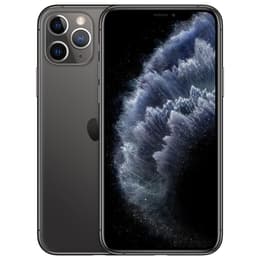
iPhone 11 Pro
iPhone 11 Pro
Starting at

Refurbished price:A$327.00

Versus A$1,029.00 new

See options

Ratings

The Samsung Galaxy S21 5G, released in January 2021, and the Apple iPhone 11 Pro, launched in September 2019, are both flagship smartphones from their respective manufacturers. While the Galaxy S21 5G offers more contemporary features like 5G connectivity and a high-refresh-rate display, the iPhone 11 Pro provides a compact form factor and a deeply integrated iOS experience. These devices cater to different user preferences, with the Samsung model running on Android and the Apple device on iOS.

Scores

Durability

The longevity of a smartphone is influenced by its release date, software support, and physical resilience. The Galaxy S21 5G, being a newer device, generally benefits from a longer period of software updates and security patches compared to the iPhone 11 Pro.

  • Software Support: The Galaxy S21 5G, released in 2021, is expected to receive operating system and security updates for a longer duration than the iPhone 11 Pro, which debuted in 2019. This extended support ensures compatibility with newer applications and continued security.
  • Repairability: The Galaxy S21 5G generally exhibits a higher repairability score, with some assessments placing it around 7.5 to 7.75 out of 10, partly due to its easier-to-remove back panel and modular components. The iPhone 11 Pro received a repairability rating of 6 out of 10, similar to its predecessors.
  • Physical Durability: The Galaxy S21 5G features a Gorilla Glass Victus front and a plastic back, encased in an aluminum frame, offering a balance of protection and a lighter build. The iPhone 11 Pro utilizes a glass back and a stainless steel frame, contributing to a more substantial feel and enhanced water resistance.

Release year

2021

2019

Compatible with latest Update

Yes

Yes

Operating system

Android

iOS

Foldable

No

No

Performance

Both devices deliver capable performance for daily tasks, though their approaches to processing power and efficiency differ, reflecting their respective release timelines and operating systems.

  • System Responsiveness: The Galaxy S21 5G, equipped with a more recent generation processor, handles demanding multitasking and modern applications with ease, ensuring smooth operation during heavy use and gaming. The iPhone 11 Pro, while older, maintains a fluid user experience through optimized software integration, even with its specifications.
  • Battery Behavior: The Galaxy S21 5G houses a 4000 mAh battery, while the iPhone 11 Pro has a 3046 mAh battery. The Galaxy S21 5G's high-refresh-rate display and 5G connectivity can lead to higher power consumption, whereas the iPhone 11 Pro is recognized for its efficient power management, often lasting through a full day of typical use.
  • Storage and Multitasking: The Galaxy S21 5G typically offers 8GB of RAM, providing ample capacity for keeping multiple applications open simultaneously. The iPhone 11 Pro, with 4GB of RAM, relies on its operating system's efficient memory management to maintain a responsive experience.

Memory (GB)

8 GB

4 GB

Screen quality

The visual experience on both smartphones is distinct, with the Galaxy S21 5G offering a modern, high-refresh-rate display and the iPhone 11 Pro focusing on color accuracy within a more compact design.

  • Display Technology: Both devices feature OLED display technology, which provides deep blacks and high contrast. The Galaxy S21 5G utilizes a Dynamic AMOLED 2X panel, while the iPhone 11 Pro features a Super Retina XDR display.
  • Refresh Rate and Smoothness: A key difference is the refresh rate; the Galaxy S21 5G boasts an adaptive 120Hz refresh rate, resulting in noticeably smoother scrolling and animations. The iPhone 11 Pro operates at a standard 60Hz.
  • Size and Clarity: The Galaxy S21 5G has a 6.2-inch display with a resolution of 2400 x 1080 pixels, offering a larger viewing area. The iPhone 11 Pro features a more compact 5.8-inch display with a resolution of 2436 x 1125 pixels, which some users find easier for one-handed operation. Both displays offer high pixel densities for sharp visuals.

Resolution

1080 x 2400

1125 x 2436

Screen type

Dynamic AMOLED 2X

Super Retina XDR OLED

Audiovisual

Both smartphones offer versatile camera systems capable of capturing high-quality images and videos, though they excel in different areas and offer distinct features.

  • Camera System Configuration: The Galaxy S21 5G features a triple camera setup consisting of a 12MP wide-angle, a 12MP ultra-wide, and a 64MP telephoto lens with 3x hybrid zoom. The iPhone 11 Pro also has a triple 12MP camera system, including wide, ultra-wide, and telephoto lenses, known for consistent image quality across all three.
  • Photography Performance: The Galaxy S21 5G offers improved focus and subject tracking, along with features like Director's View for multi-camera video recording. The iPhone 11 Pro is highly regarded for its low-light photography capabilities, especially with Night Mode, and its ability to produce consistently good images with minimal effort.
  • Video Recording: The Galaxy S21 5G supports up to 8K video recording, providing extremely high resolution for video content. The iPhone 11 Pro supports 4K video up to 60 frames per second and offers features like audio zoom.

Main camera

12 megapixels

12 megapixels

Front camera

10 megapixels

12 megapixels

Miscellaneous

Beyond core specifications, several practical elements differentiate these two devices, impacting daily usability and interaction.

  • Connectivity: The Galaxy S21 5G supports 5G networks, offering faster mobile data speeds where available, along with Wi-Fi 6 and Bluetooth 5.0. The iPhone 11 Pro is limited to 4G LTE connectivity but also supports Wi-Fi 6 and Bluetooth 5.0.
  • Ports and Biometrics: Both devices utilize a USB-C port for the Galaxy S21 5G and a Lightning port for the iPhone 11 Pro for charging and data transfer, neither featuring a traditional headphone jack. The Galaxy S21 5G incorporates an ultrasonic in-screen fingerprint sensor, while the iPhone 11 Pro relies on Face ID for secure authentication.
  • Design and Handling: The Galaxy S21 5G has dimensions of 151.7 x 71.2 x 7.9 mm and weighs 169 grams, offering a relatively compact and lightweight design. The iPhone 11 Pro measures 144 x 71.4 x 8.1 mm and weighs 188 grams, making it slightly smaller but heavier.

Weight

169 oz

188 oz

Screen size (in)

6.2

5.8

Network

5G

4G

SIM card

Physical SIM + eSIM

Physical SIM + eSIM

Carrier compatibility

Unlocked

Unlocked

Connector

USB-C

Lightning

User feedback for the Samsung Galaxy S21 5G often highlights its vibrant 120Hz display, capable camera system, and the inclusion of 5G connectivity as strong points. Some users appreciate its compact size for a modern flagship. However, common criticisms include the absence of expandable memory and a headphone jack, and some users have noted that the plastic back on the standard S21 model feels less premium. Battery life, while generally sufficient for a day, has been a point of mixed opinion, with some heavy users desiring more.

For the iPhone 11 Pro, users frequently praise its consistent camera performance, particularly its low-light capabilities and video quality. The compact form factor and the smooth, integrated iOS experience are also highly valued. Criticisms sometimes point to the 60Hz display, which feels less fluid compared to newer devices, and the lack of 5G connectivity. Some users also express a desire for more manual camera controls.

Users prioritizing the latest connectivity standards, a high-refresh-rate display, and a more open operating system may find the Galaxy S21 5G better suited to their needs. Conversely, those who value a compact device, a highly optimized software experience, and a camera system renowned for its consistency and low-light performance might lean towards the iPhone 11 Pro. Both devices offer a robust smartphone experience, and choosing between them often comes down to individual preferences for operating system, display fluidity, and specific camera features. For those considering either device, exploring quality-assured refurbished options can provide an eco-friendly alternative.

See all articles

Our recent comparisons