iPhone
Compare models
Differences at a glance
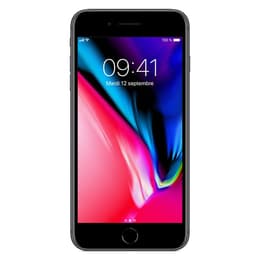
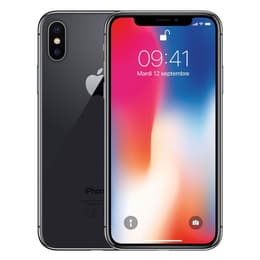
The iPhone 8 Plus, released in September 2017, and the iPhone X, launched in November 2017, represent two distinct approaches to Apple's smartphone design from the same generation. While both devices share core internal components, the iPhone X introduced a significant design overhaul with an edge-to-edge display and facial recognition, contrasting with the iPhone 8 Plus's more traditional design featuring a physical home button and fingerprint sensor. Both run on the iOS operating system, offering a consistent software experience, though their hardware interactions differ notably.
Colour
Storage
When considering the long-term usability of these devices, their release timelines and subsequent software support are key factors. Both the iPhone 8 Plus and iPhone X were released in late 2017, meaning they have followed similar update paths.
Release year
Compatible with latest Update
Operating system
Foldable
Both the iPhone 8 Plus and iPhone X are equipped with the same internal processing unit, providing comparable performance for daily tasks and demanding applications. This shared foundation means their raw processing power is largely identical.
The display is one of the most significant differentiators between the iPhone 8 Plus and the iPhone X, impacting the overall visual experience and device interaction.
Resolution
Screen type
Both the iPhone 8 Plus and iPhone X offer capable camera systems for their generation, designed to capture quality photos and videos in various conditions.
Main camera
Front camera
Beyond core performance and display, several practical elements contribute to the overall user experience and differentiate the iPhone 8 Plus and iPhone X.
Weight
Screen size (in)
Network
SIM card
Carrier compatibility
Connector
The iPhone 8 Plus and iPhone X, while sharing a similar release window and internal processing power, cater to different user preferences primarily through their design and interaction methods. Users often praise the iPhone 8 Plus for its familiar design, including the reliable Touch ID fingerprint sensor and physical home button, which many find intuitive and comfortable. Its larger physical size and traditional display are also appreciated by those who prefer a more classic smartphone feel and a larger viewing area without a notch. Some users, however, found its design to be aging even at its release.
The iPhone X, conversely, garnered praise for its innovative, modern design, featuring a vibrant OLED edge-to-edge display and the introduction of Face ID for biometric authentication. This model redefined the iPhone's aesthetic and interaction, moving towards gesture-based navigation. Criticisms sometimes focused on the learning curve for gesture controls and the presence of the display notch.
Users prioritizing a traditional iPhone experience with a physical home button and Touch ID may find the iPhone 8 Plus well-suited to their needs. Those who value a more modern, immersive display and advanced facial recognition technology, along with a more compact form factor for a larger screen, may lean towards the iPhone X. Both devices, now several years past their initial release, offer a solid foundation for everyday smartphone use. For those seeking an eco-friendly alternative, quality-assured refurbished options for both models are available, providing a sustainable choice for extending their lifecycle.