iPhone
Compare models
Differences at a glance
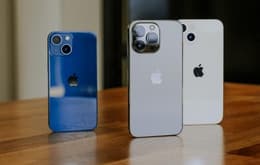
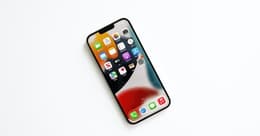
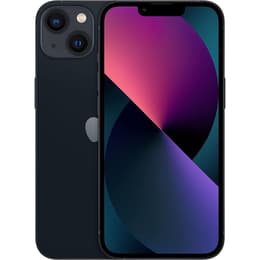
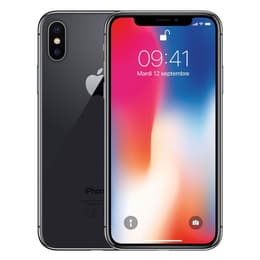
The iPhone 13, released in 2021, and the iPhone X, launched in 2017, represent different eras in smartphone technology. While both devices offer a premium experience within their respective generations, the four-year gap introduces notable distinctions in performance, camera capabilities, and long-term software support. Both operate on Apple's iOS platform, but the iPhone 13 benefits from more recent hardware and software advancements.
Colour
Storage
The practical lifespan of a smartphone is heavily influenced by its release timeline and the duration of software support. The iPhone 13 and iPhone X differ significantly in this regard.
Release year
Compatible with latest Update
Operating system
Foldable
Performance is a key area where the generational gap between the iPhone 13 and iPhone X becomes evident, impacting how smoothly applications run and how efficiently the device handles daily tasks.
Both the iPhone 13 and iPhone X feature OLED displays, offering deep blacks and vibrant colors, but there are distinctions in their specifications and viewing experiences.
Resolution
Screen type
The camera systems on the iPhone 13 and iPhone X both offer dual lenses, but the newer model benefits from significant advancements in sensor technology and computational photography.
Main camera
Front camera
Beyond core performance and display, several practical elements contribute to the overall user experience and differentiate the iPhone 13 from the iPhone X.
Weight
Screen size (in)
Network
SIM card
Carrier compatibility
Connector
The iPhone 13 and iPhone X cater to different user needs, primarily due to the significant technological advancements that occurred between their respective releases. The iPhone 13 is often praised for its robust performance, substantial battery life, and advanced camera system, particularly its low-light capabilities and Cinematic mode. Users appreciate its longevity through continued software updates and enhanced durability features. Some minor criticisms might include the standard 60Hz display, which some newer phones have surpassed.
The iPhone X, on the other hand, was a groundbreaking device at its launch, lauded for its innovative edge-to-edge OLED display and the introduction of Face ID, which redefined the iPhone experience. Its design was considered revolutionary. However, as an older model, common criticisms now revolve around its limited software support, which ended with iOS 16, and its aging battery performance compared to newer devices. Its processor, while still functional for basic tasks, may struggle with the demands of modern applications.
Users prioritizing long-term software support, superior camera performance, and extended battery life for demanding daily use will find the iPhone 13 well-suited to their needs. It offers a more future-proof experience with 5G connectivity and a brighter display. Conversely, users seeking a more compact device for essential communication, web browsing, and casual photography, who are comfortable with an older software ecosystem, might consider the iPhone X. For those looking for an eco-friendly alternative, both models are available as quality-assured refurbished options, providing a sustainable choice for consumers.