
Samsung
Compare models
Differences at a glance
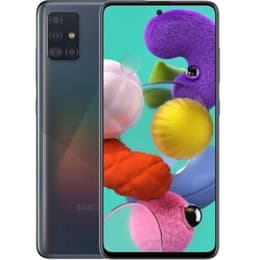
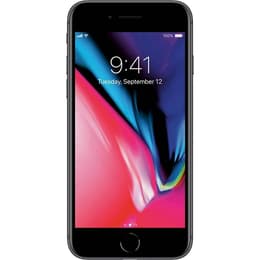
The Samsung Galaxy A51 (released in December 2019) and the Apple iPhone 8 (released in September 2017) represent different approaches to smartphone design and functionality from their respective manufacturers. While the Galaxy A51 operates on Android, offering a customizable experience, the iPhone 8 runs on Apple's iOS, known for its integrated ecosystem. Key differentiators include their display technologies, camera systems, and overall design philosophies.
Colour
Storage
When considering the practical lifespan of these devices, several factors come into play, including their initial release dates and ongoing software support.
Release year
Compatible with latest Update
Operating system
Foldable
The performance of a smartphone is crucial for daily use, influencing everything from app responsiveness to multitasking capabilities. These two devices offer different experiences in this regard.
The display is a primary interface for any smartphone, and these two models present distinct visual experiences.
Resolution
Screen type
Both devices offer camera systems designed to capture moments, but they differ in their approach and capabilities.
Main camera
Front camera
Beyond the core features, several other elements contribute to the overall user experience and practical utility of these smartphones.
Weight
Screen size (in)
Network
SIM card
Carrier compatibility
The Samsung Galaxy A51 and iPhone 8 cater to different user preferences, reflecting their distinct operating systems and design philosophies. User sentiment for the Galaxy A51 often highlights its vibrant Super AMOLED display, versatile quad-camera system, and larger battery capacity as strong points. Some users, however, have noted that its performance could be more robust for intensive tasks and that the macro lens might not always meet expectations.
For the iPhone 8, common praise centers on its reliable performance, compact design, and the consistent quality of its single main camera. Critics sometimes point to its older design with larger bezels and its smaller battery capacity as areas for improvement.
Users prioritizing a larger, more immersive display for media consumption, a multi-lens camera system for varied photography, and expandable storage may find the Galaxy A51 better suited to their needs. Its Android operating system also offers greater customization options. Conversely, users who value a compact form factor, a streamlined user experience with a strong ecosystem, and consistent performance for everyday tasks might lean towards the iPhone 8. Its long-standing reputation for software optimization and security updates is also a consideration.
Both devices, while no longer the latest models, remain viable options for many users, especially when considering a quality-assured refurbished option. Choosing between them ultimately depends on individual priorities regarding screen size, camera versatility, operating system preference, and battery life.