Compare models
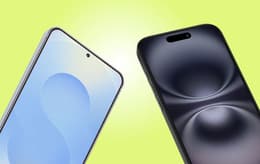
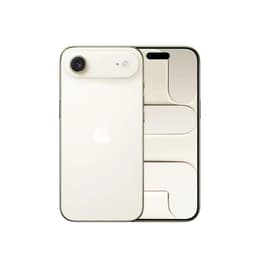
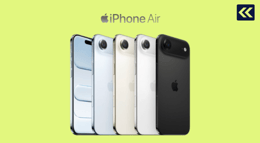
Galaxy A23 5G vs iPhone Air
- 1-year warranty
- Free standard shipping
- Free 30-day returns
Differences at a glance
The Samsung Galaxy A23 5G (2022) and the iPhone Air (2025) represent entirely different approaches to smartphone design, engineering timelines, and device philosophy. While the Galaxy A23 5G focuses on delivering everyday mobile access running on Android, the iPhone Air introduces a remarkably slim profile running on iOS. These two devices cater to distinct user expectations regarding software ecosystems, hardware form factors, and general daily use.
Available Models
Colour
Storage
Scores
Durability
Device longevity and software support timelines differ substantially between these two models due to their release years and manufacturer update policies.
- Release timeline and age: The Galaxy A23 5G launched earlier, whereas the iPhone Air entered the market significantly later, offering a more recent hardware baseline.
- OS support duration: The iPhone Air benefits from extended software updates, whereas the Galaxy A23 5G occupies an older position in its support lifecycle.
- Expected practical lifespan: Users seeking long-term system updates will find the newer iPhone Air aligned with extended future readiness, while the Galaxy A23 5G suits shorter-term usage goals.
Release year
2022
2025
Compatible with latest Update
Yes
Yes
Operating system
Android
iOS
Foldable
No
No
Performance
System responsiveness and day-to-day execution speeds vary based on internal hardware capabilities and memory configurations.
- Processor capabilities: The iPhone Air handles demanding applications and intensive multitasking smoothly, whereas the Galaxy A23 5G manages standard daily tasks like web browsing and messaging reliably.
- Battery behavior: The Galaxy A23 5G relies on a high-capacity battery for extended daily operation, while the iPhone Air balances a slim profile with efficient power management for regular use.
- System responsiveness: Heavy gaming and complex workflows run fluidly on the iPhone Air, while everyday apps open steadily on the Galaxy A23 5G.
Screen quality
Visual output and display engineering reflect contrasting priorities in panel technology and outdoor usability.
- Display technology: The iPhone Air features an advanced OLED screen with deep blacks, while the Galaxy A23 5G utilizes a dependable LCD panel with a smooth refresh rate.
- Brightness levels: The iPhone Air reaches high peak outdoor brightness for clear visibility under direct sunlight, whereas the Galaxy A23 5G offers adequate brightness for standard indoor and shaded outdoor viewing.
- Viewing experience: The iPhone Air delivers sharp color accuracy and high contrast ratios, while the Galaxy A23 5G provides a comfortable, spacious screen for media consumption.
Resolution
1080 x 2408
2736x1260
Screen type
PLS LCD
Super Retina XDR
Audiovisual
Imaging hardware and multimedia output cater to different photography styles and media consumption preferences.
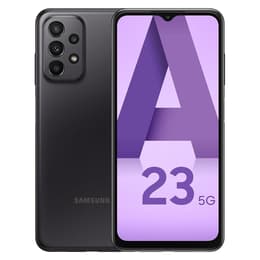
- Camera system capabilities: The iPhone Air features a high-resolution single main lens supported by advanced image processing, while the Galaxy A23 5G provides a versatile multi-lens rear setup including macro and ultra-wide options.
- Low-light photography: The iPhone Air captures detailed low-light scenes efficiently, whereas the Galaxy A23 5G performs best in well-lit daylight conditions.
- Speaker output: Media playback and audio calls offer distinct acoustic profiles suited to each device's internal speaker architecture.
Main camera
50 megapixels
48 megapixels
Front camera
8 megapixels
18 megapixels
Miscellaneous
Physical handling, connectivity standards, and build materials shape the ergonomic feel of each smartphone.
- Build materials and handling: The iPhone Air utilizes a lightweight titanium and glass construction with an ultra-thin profile, while the Galaxy A23 5G employs a sturdier plastic composite body with a slightly heavier feel in hand.
- Connectivity options: Both models support 5G cellular networks, though the iPhone Air incorporates more recent Wi-Fi and Bluetooth standards.
- Port types: The iPhone Air utilizes a reversible USB-C connection, matching modern industry accessory standards.
Weight
197 oz
165 oz
Screen size (in)
6.6
6.5
Network
5G
5G
SIM card
Physical SIM
eSIM
Carrier compatibility
Unlocked
Unlocked
What the community thinks
Choosing between these devices depends heavily on individual software preferences and daily usage habits. Users prioritizing a lightweight form factor, advanced display technology, and long-term software support may prefer the iPhone Air, while users looking for a straightforward Android experience with expandable storage and a traditional build will find the Galaxy A23 5G matches their requirements. Exploring a quality-assured refurbished option provides an eco-friendly, sustainable choice for acquiring either device without buying brand new.