Compare models
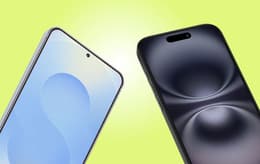
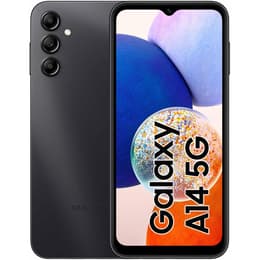
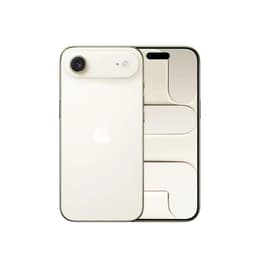
Galaxy A14 5G vs iPhone Air
- 1-year warranty
- Free standard shipping
- Free 30-day returns
Differences at a glance
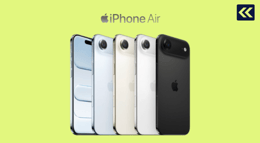
The Samsung Galaxy A14 5G (2023) and the Apple iPhone Air (2025) represent entirely different approaches to mobile technology, bridging distinct generations, operating systems, and engineering philosophies. While the Galaxy A14 5G functions as an accessible everyday Android device focused on essentials, the iPhone Air introduces a contemporary ultra-slim design philosophy running on iOS. These two models cater to vastly different user expectations, device ecosystems, and operational priorities.
Available Models
Colour
Storage
Scores
Durability
Comparing the structural build timelines and maintenance frameworks of both models highlights contrasting approaches to long-term usability and hardware longevity.
- Release timeline and software support: The Galaxy A14 5G arrived in early 2023 running on Android, while the iPhone Air launched in late 2025 with iOS. The iPhone model benefits from a significantly extended official software update window due to its newer release date.
- Build materials and physical resilience: The Galaxy A14 5G utilizes a durable plastic housing designed for everyday handling, whereas the iPhone Air incorporates a slim titanium frame paired with reinforced glass protection.
- Expected practical lifespan: Users looking for multi-year software longevity will find the recent iPhone architecture well-equipped to stay current, while the Galaxy option provides standard multi-year support typical of entry-tier hardware.
Release year
2023
2025
Operating system
Android
iOS
Foldable
No
No
Performance
Daily execution and processing capabilities differ significantly between these devices, shaping how they handle multitasking, power management, and storage.
- System responsiveness and multitasking: The iPhone Air handles demanding apps, heavy multitasking, and modern gaming smoothly with advanced current-generation processing architecture. The Galaxy A14 5G manages routine messaging, web browsing, and casual applications reliably, though intensive workloads may require more processing time.
- Battery behavior and capacity: The Galaxy A14 5G relies on a large 5000 mAh battery capacity to comfortably sustain multi-day light usage, whereas the iPhone Air balances its ultra-thin footprint with optimized power efficiency for a standard daily cycle.
- Storage configurations: The iPhone Air offers spacious internal storage tiers starting at higher capacities, while the Galaxy A14 5G provides modest onboard storage complemented by expandable microSD card support.
Screen quality
Visual output and display engineering vary widely, affecting outdoor legibility, motion fluidity, and media viewing experiences.
- Display technology and clarity: The iPhone Air features an advanced OLED display delivering deep blacks, high contrast, and crisp resolution. The Galaxy A14 5G uses a standard LCD panel providing clear text and balanced everyday viewing.
- Brightness and outdoor visibility: The iPhone Air achieves high peak brightness levels suited for direct sunlight, whereas the Galaxy A14 5G requires manual brightness adjustments during bright daylight conditions.
- Refresh rate and motion smoothness: Both devices support elevated refresh rates—90 Hz on the Galaxy and 120 Hz on the iPhone—ensuring smooth scrolling through menus, web pages, and application feeds.
Resolution
1080x2408
2736x1260
Audiovisual
Optics, video capture capabilities, and audio output shape how each device handles multimedia creation and consumption.
- Camera versatility: The iPhone Air utilizes a high-resolution single-lens camera system paired with advanced computational photography software for detailed shots. The Galaxy A14 5G features a multi-lens rear setup centered around a 50-megapixel primary sensor for standard daylight snapshots.
- Video recording quality: The iPhone Air delivers sharp, stabilized video recording across various lighting conditions, while the Galaxy A14 5G handles casual video clips adequately for basic sharing.
- Media and audio output: Audio playback relies on distinct internal configurations, with the iPhone Air providing balanced sound reproduction and the Galaxy A14 5G offering standard built-in speaker output.
Miscellaneous
Practical physical traits, connectivity standards, and daily usability features define the overall handling experience of each smartphone.
- Connectivity and ports: Both models support 5G connectivity for mobile networks. The iPhone Air utilizes a reversible USB-C port alongside modern wireless standards, while the Galaxy A14 5G includes a traditional USB-C port and a physical headphone jack.
- Security and authentication: The iPhone Air relies on facial recognition technology, whereas the Galaxy A14 5G integrates a side-mounted fingerprint scanner within the power button.
- Dimensions and physical handling: The iPhone Air stands out for its remarkably thin profile and lightweight titanium build, while the Galaxy A14 5G features a thicker, heavier chassis that houses its large battery. A quality-assured refurbished option from Back Market provides a sustainable choice for acquiring either model while reducing electronic waste.
Weight
202 oz
165 oz
Screen size (in)
6.6
6.5
Network
5G
5G
SIM card
Physical SIM
eSIM
Carrier compatibility
Unlocked
Unlocked
What the community thinks
User feedback highlights distinct preferences for each device across community forums and reviews. Owners of the Galaxy A14 5G frequently praise its dependable battery endurance, straightforward interface, and expandable storage capabilities. Conversely, users of the iPhone Air consistently highlight its exceptionally slim profile, premium build materials, and swift system responsiveness, though some note the limitations of a single rear camera lens.
Users prioritizing a lightweight physical footprint, advanced processing power, and long-term software support may prefer the iPhone Air. Meanwhile, users prioritizing extended battery capacity, expandable storage, and a conventional everyday layout will find the Galaxy A14 5G well-suited to their needs. Exploring a quality-assured refurbished option through Back Market enables an eco-friendly approach to purchasing either smartphone while supporting a circular economy.