Compare models

iPhone 8 Plus vs iPhone XR

  • 1-year warranty
  • Free standard shipping
  • Free 30-day returns
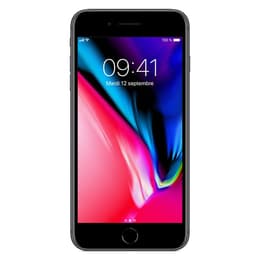
iPhone 8 Plus
iPhone 8 Plus
Starting at

Refurbished price:A$246.00

Versus A$629.00 new

See options
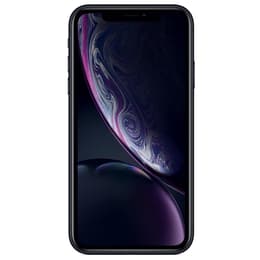
iPhone XR
iPhone XR
Starting at

Refurbished price:A$222.00

Versus A$589.00 new

See options

Differences at a glance

The iPhone 8 Plus, released in September 2017, and the iPhone XR, launched in October 2018, represent distinct design philosophies and technological advancements within Apple's smartphone lineup. While both devices operate on the iOS platform, the iPhone XR introduced a more modern, all-screen design with Face ID, contrasting with the iPhone 8 Plus's traditional home button and Touch ID. Key differentiators also include their camera systems and overall performance capabilities, reflecting the year of innovation between their releases.

Scores

Durability

When considering the practical lifespan of these devices, their release timelines and subsequent software support are important factors.

  • Release Timeline: The iPhone 8 Plus, launched in September 2017, is an older model compared to the iPhone XR, which was released in October 2018. This difference in age directly impacts their remaining software support.
  • OS Support Duration: The iPhone 8 Plus received major iOS updates up to iOS 16, with security updates continuing for a period after. The iPhone XR, being a year newer, supports iOS 17 and is expected to receive iOS 18, extending its software longevity by at least one additional year compared to the 8 Plus.
  • Expected Practical Lifespan: Users prioritizing the latest software features and security updates will find the iPhone XR offers a longer practical lifespan. Both devices feature durable glass and aluminum builds and are rated IP67 for water and dust resistance, meaning they can withstand immersion in up to 1 meter of water for 30 minutes.

Release year

2017

2018

Compatible with latest Update

No

Yes

Operating system

iOS

iOS

Foldable

No

No

Performance

The performance of a smartphone is crucial for daily tasks, and there are notable differences between these two models.

  • Processor Capabilities: The iPhone XR features a newer generation processor, which translates to smoother operation and faster app loading times compared to the iPhone 8 Plus. This allows the XR to handle demanding applications and multitasking with greater efficiency.
  • Battery Behavior: The iPhone XR generally offers longer battery life, with users often reporting it can last up to an hour and a half longer than the iPhone 8 Plus on a full charge. This is due to a larger battery capacity and a more power-efficient processor in the XR.
  • Storage Options: Both models were available with similar storage configurations, typically including 64GB, 128GB, and 256GB options, providing ample space for apps, photos, and media.

Memory (GB)

3 GB

3 GB

Screen quality

The display is a primary interaction point, and these iPhones offer different visual experiences.

  • Display Technology: Both devices utilize IPS LCD technology. The iPhone 8 Plus features a 5.5-inch Retina HD display, while the iPhone XR boasts a larger 6.1-inch Liquid Retina HD display.
  • Resolution and Clarity: The iPhone 8 Plus has a higher pixel density (401 ppi) with a 1920x1080 pixel resolution, offering a sharper image on its smaller screen. The iPhone XR, despite its larger screen, has a lower pixel density (326 ppi) with a 1792x828 pixel resolution, which some users might notice as slightly less crisp for very fine details.
  • Brightness and Features: Both displays offer a typical maximum brightness of 625 nits and include True Tone technology, which adjusts the screen's white balance to match the ambient light for a more natural viewing experience. The iPhone 8 Plus also includes 3D Touch, a pressure-sensing feature not present on the iPhone XR, which instead uses Haptic Touch for similar long-press interactions.

Resolution

1080 x 1920

828 x 1792

Screen type

Retina IPS LCD

Liquid Retina IPS LCD

Audiovisual

Camera capabilities are a significant consideration for many users, and these models approach photography differently.

  • Camera System Capabilities: The iPhone 8 Plus features a dual 12MP camera system with a wide-angle and a telephoto lens, allowing for 2x optical zoom and more versatile portrait photography with hardware-based depth effects. The iPhone XR, on the other hand, has a single 12MP wide-angle camera but leverages software to achieve Portrait Mode for people, offering various Portrait Lighting effects.
  • Low-Light and Everyday Photography: While both offer optical image stabilization on their main wide-angle lenses for clearer shots in various conditions, the iPhone XR's newer sensor and improved image processing often result in better low-light performance and Smart HDR for enhanced detail in highlights and shadows.
  • Video Recording Quality: Both devices are capable of recording 4K video at up to 60 frames per second, and offer slow-motion video capabilities.

Main camera

12 megapixels

12 megapixels

Front camera

7 megapixels

7 megapixels

Miscellaneous

Beyond core features, several practical elements contribute to the overall user experience.

  • Connectivity Options: Both the iPhone 8 Plus and iPhone XR support LTE Advanced, Wi-Fi 802.11ac with MIMO, and Bluetooth 5.0, ensuring reliable wireless connectivity.
  • Port Types: Both models exclusively use the Lightning port for charging and data transfer, and neither includes a traditional 3.5mm headphone jack.
  • Biometric Security: A key difference lies in their biometric authentication. The iPhone 8 Plus uses Touch ID, an integrated fingerprint sensor in the home button, while the iPhone XR utilizes Face ID, Apple's facial recognition system, enabled by its TrueDepth camera.
  • Weight and Dimensions: The iPhone 8 Plus is a larger and heavier device, weighing 202 grams with dimensions of 158.4 x 78.1 x 7.5 mm. The iPhone XR is slightly lighter at 194 grams and has dimensions of 150.9 x 75.7 x 8.3 mm, offering a larger screen in a slightly more compact, though thicker, body.

Weight

202 oz

194 oz

Screen size (in)

5.5

6.1

Network

4G

4G

SIM card

Physical SIM

Physical SIM + eSIM

Carrier compatibility

Unlocked

Unlocked

Connector

Lightning

Lightning

What the community thinks

The iPhone 8 Plus and iPhone XR cater to slightly different user preferences, largely influenced by their release years and design philosophies. Users often praise the iPhone 8 Plus for its familiar design, including the physical home button with Touch ID, and its dual-camera system which provides optical zoom. Its display, while smaller, offers a higher pixel density. Some users, however, found its design to be aging even at its release.

The iPhone XR is frequently lauded for its more modern, all-screen design, Face ID, and significantly improved battery life. Its newer processor also provides a noticeable boost in performance for everyday tasks and demanding applications. While its single camera is highly capable, some advanced photographers might miss the dedicated telephoto lens found on the 8 Plus. The lower display resolution compared to the 8 Plus is sometimes noted, though often not a major concern for general use.

Users prioritizing a traditional iPhone experience with a physical home button and optical zoom may find the iPhone 8 Plus well-suited to their needs. Conversely, those who value a larger, more modern display, extended battery life, and Face ID will likely lean towards the iPhone XR. Both devices offer a reliable iOS experience, and choosing a quality-assured refurbished option for either model can be an eco-friendly alternative for consumers.