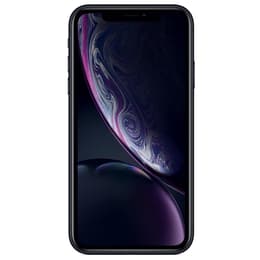

iPhone 11 Pro vs iPhone XR

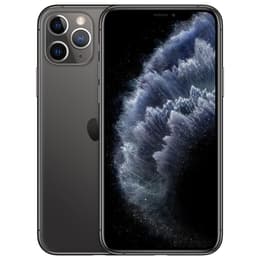
iPhone 11 Pro
iPhone 11 Pro
Starting at

Refurbished price:A$325.00

Versus A$1,029.00 new

See options
iPhone XR
iPhone XR
Starting at

Refurbished price:A$221.00

Versus A$589.00 new

See options

Ratings

The iPhone 11 Pro, released in September 2019, and the iPhone XR, launched in October 2018, represent different tiers within Apple's smartphone lineup from consecutive years. While both devices operate on Apple's iOS ecosystem, the iPhone 11 Pro offers a more advanced camera system and a higher-quality display, positioning it as a premium option compared to the iPhone XR's focus on broader accessibility. These differences cater to distinct user priorities, from visual fidelity to photographic capabilities.

Scores

Durability

When considering the long-term usability of these devices, their release timelines and subsequent software support are key factors.

  • Release Timeline: The iPhone XR, launched in October 2018, precedes the iPhone 11 Pro, which arrived in September 2019. This difference in release date directly impacts their expected software longevity.
  • Software Longevity: The iPhone XR shipped with iOS 12 and is compatible with iOS versions up to 18.7.7 as of March 2026. The iPhone 11 Pro, starting with iOS 13, is expected to support updates up to iOS 26, offering an additional year or more of major software updates.
  • Physical Durability: The iPhone XR features an aluminum frame and is rated IP67 for water and dust resistance, meaning it can withstand immersion in up to 1 meter of water for 30 minutes. The iPhone 11 Pro, with its stainless steel frame and IP68 rating, offers enhanced protection, capable of submersion in up to 4 meters of water for the same duration. Both devices feature glass backs, which are susceptible to damage from drops. The iPhone XR has been noted for its moderate repairability, with common repairs like display and battery replacements being relatively straightforward.

Release year

2019

2018

Compatible with latest Update

Yes

Yes

Operating system

iOS

iOS

Foldable

No

No

Performance

The performance of a smartphone is central to the user experience, influencing everything from app responsiveness to multitasking efficiency.

  • Processing Power: The iPhone XR is equipped with a capable processor that handles everyday applications and general multitasking smoothly. The iPhone 11 Pro features a newer generation processor, providing a noticeable boost in speed and efficiency, particularly for more demanding applications, advanced gaming, and intensive photo and video editing tasks.
  • Multitasking and Responsiveness: The iPhone XR comes with 3GB of RAM, which is sufficient for typical daily use and switching between a moderate number of applications. The iPhone 11 Pro includes 4GB of RAM, allowing for more seamless multitasking and a smoother experience when running multiple resource-intensive apps simultaneously.
  • Battery Behavior: The iPhone XR generally provides a full day of use for many users, offering solid battery performance for its class. The iPhone 11 Pro, despite its smaller physical size compared to the XR, is designed for extended battery life, often surpassing the XR in typical usage scenarios, especially for users who engage in more power-intensive activities.

Memory

4 GB

3 GB

Screen quality

The display is a primary interface for any smartphone, and these two models offer distinct visual experiences.

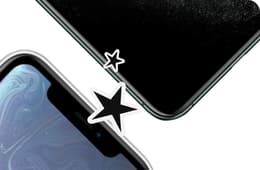
  • Display Technology and Clarity: The iPhone XR features a 6.1-inch Liquid Retina HD display, which is an advanced LCD panel. It offers good color accuracy and brightness for an LCD. The iPhone 11 Pro, on the other hand, boasts a 5.8-inch Super Retina XDR display, utilizing OLED technology. This OLED panel delivers deeper blacks, higher contrast, and more vibrant colors compared to the LCD on the XR.
  • Resolution and Pixel Density: The iPhone XR has a resolution of 1792x828 pixels at 326 pixels per inch (ppi). The iPhone 11 Pro offers a sharper resolution of 2436x1125 pixels at 458 ppi, resulting in finer detail and crisper text and images.
  • Brightness and Viewing Experience: The iPhone XR provides a typical maximum brightness of 625 nits. The iPhone 11 Pro significantly increases this to 800 nits for typical use and can reach up to 1200 nits when displaying HDR content, making it more visible in bright outdoor conditions and enhancing HDR media consumption.

Resolution

1125 x 2436

828 x 1792

Screen type

Super Retina XDR OLED

Liquid Retina IPS LCD

Audiovisual

Camera capabilities are a significant differentiator, with both devices offering strong photographic tools for their respective generations.

  • Rear Camera System: The iPhone XR features a single 12-megapixel wide camera with an f/1.8 aperture, optical image stabilization, and Smart HDR. It supports Portrait Mode, which is achieved through software processing and primarily works on human subjects. The iPhone 11 Pro elevates this with a triple 12-megapixel camera system, including an Ultra Wide, Wide, and Telephoto lens. This setup provides greater versatility, offering 2x optical zoom in and 2x optical zoom out, along with enhanced digital zoom.
  • Low-Light and Advanced Features: The iPhone 11 Pro introduces Night mode, which significantly improves photo quality in low-light environments, and Deep Fusion, an image processing system that enhances texture and detail in medium to low light. While the iPhone XR performs adequately in good lighting, it lacks these dedicated low-light enhancements.
  • Video Recording and Front Camera: Both phones support 4K video recording at up to 60 frames per second. The iPhone 11 Pro benefits from extended dynamic range for video and improved cinematic video stabilization across its multiple lenses. For selfies, the iPhone XR has a 7-megapixel front camera, while the iPhone 11 Pro features a 12-megapixel TrueDepth front camera, offering higher resolution and improved detail.

Main camera

12 megapixels

12 megapixels

Front camera

12 megapixels

7 megapixels

Miscellaneous

Beyond core features, several practical elements contribute to the overall user experience and daily convenience.

  • Connectivity and Ports: Both the iPhone XR and iPhone 11 Pro support 4G LTE, Wi-Fi, and Bluetooth 5.0 for wireless connectivity. The iPhone 11 Pro includes support for Wi-Fi 6, offering potentially faster and more stable wireless connections in compatible environments. Neither device supports 5G cellular networks. Both utilize the Lightning port for charging and data transfer.
  • Biometric Security: Both models rely on Face ID for secure authentication, enabling facial recognition for unlocking the device, making purchases, and accessing secure applications.
  • Physical Design and Handling: The iPhone XR is slightly larger and heavier, measuring 150.9 x 75.7 x 8.3 mm and weighing 194 grams. It features an aluminum and glass construction. The iPhone 11 Pro is more compact and slightly lighter at 144 x 71.4 x 8.1 mm and 188 grams, with a more premium stainless steel and matte glass finish. The XR's larger screen size might appeal to those who prefer more display real estate, while the 11 Pro's smaller footprint offers easier one-handed use for some.

Weight

188 oz

194 oz

Screen size (in)

5.8

6.1

Network

4G

4G

SIM card

Physical SIM + eSIM

Physical SIM + eSIM

Carrier compatibility

Unlocked

Unlocked

Connector

Lightning

Lightning

The iPhone 11 Pro and iPhone XR, while sharing the same operating system, cater to different user needs through their distinct feature sets. Users often praise the iPhone XR for its vibrant color options and its larger display for media consumption, making it a popular choice for those who prioritize screen size and a wide range of aesthetic choices. Its battery life is frequently highlighted as a strong point for everyday use. Some common criticisms of the XR include its lower-resolution LCD display compared to OLED panels and its single rear camera's limitations in advanced photography scenarios.

The iPhone 11 Pro, conversely, receives acclaim for its superior OLED display, offering deeper blacks and higher contrast, which enhances viewing experiences. Its advanced triple-camera system, including Night mode and a telephoto lens, is consistently praised by users who value photographic versatility and quality. Criticisms sometimes point to its smaller screen size compared to the XR or other larger phones, and its premium positioning at launch.

Users prioritizing a larger screen, a range of color options, and solid everyday performance may find the iPhone XR well-suited to their needs. It remains a practical choice for general smartphone use, including browsing, social media, and casual photography. For those who demand a more refined visual experience, advanced photographic capabilities, and a more compact form factor, the iPhone 11 Pro is the stronger contender. It appeals to users who engage in more creative tasks, consume high-quality media, or simply desire the most advanced technology from its generation. Both models continue to be viable options, especially when considering quality-assured refurbished alternatives, offering an eco-friendly way to access these devices.
See all articles

Our recent comparisons