
Compare models

iPhone Air vs Motorola Razr 40

  • 1-year warranty
  • Free standard shipping
  • Free 30-day returns
iPhone Air
Starting at

Refurbished price:A$1,061.00

Versus A$1,899.00 new

See options
Motorola Razr 40
Starting at

Refurbished price:A$624.00

Versus A$1,983.00 new

See options

Differences at a glance

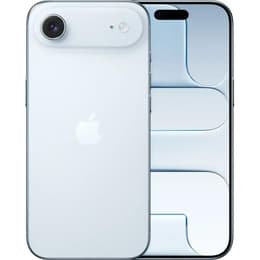
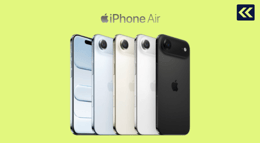
The iPhone Air (2025) and the Motorola Razr 40 (2023) approach mobile technology from very distinct design perspectives, offering users a choice between an ultra-slim slate form factor and a traditional folding flip design. While the Apple iPhone Air emphasizes a minimalist, lightweight titanium profile running iOS, the Motorola Razr 40 utilizes an Android interface built around a flexible display that folds in half for compact portability.

Both smartphones cater to distinct preferences in physical engineering and daily handling, serving users who prioritize unique hardware designs alongside modern everyday capabilities.

Available Models

Colour

Storage (GB)

Scores

Durability

Device longevity and software support differ notably between these two models given their release timelines and ecosystem policies.

  • Software Support Timeline: The iPhone Air benefits from Apple's extended multi-year update cycle for operating systems and security patches, whereas the Motorola Razr 40 operates on a shorter remaining official support window reflecting its earlier launch year.
  • Hardware Durability: The iPhone Air incorporates a rigid titanium frame paired with reinforced glass protection, while the Motorola Razr 40 relies on a foldable screen architecture that requires careful handling around the folding hinge mechanism over years of active use.
  • Expected Lifespan: Users can anticipate a longer software and performance lifecycle from the Apple model, while the Motorola device offers an alternative upgrade path focused on compact folding convenience.

Release year

2025

2023

Compatible with latest Update

Yes

Yes

Operating system

iOS

Android

Foldable

No

Yes

Performance

System responsiveness and handling of daily workloads reflect the different internal hardware architectures of each device.

  • Multitasking and Responsiveness: The iPhone Air handles demanding apps, heavy multitasking, and complex processing tasks smoothly with ample system memory, while the Motorola Razr 40 manages everyday messaging, web browsing, and social media efficiently using its balanced mid-range processor configuration.
  • Battery Behavior: The iPhone Air manages power efficiently through its hardware-software integration to last through a typical day of standard usage, whereas the Motorola Razr 40's physical battery capacity may require a recharge during heavier usage days.
  • Storage Configurations: Both devices offer generous internal storage options to accommodate photos, applications, and local media files without frequent need for cloud offloading.

Screen quality

Visual experiences diverge sharply due to the contrasting physical display layouts chosen by each manufacturer.

  • Display Technology: The iPhone Air features a flat, vibrant OLED screen with high resolution and a smooth high refresh rate, while the Motorola Razr 40 utilizes a flexible internal folding OLED panel complemented by a small external cover screen for quick notifications.
  • Brightness and Outdoor Clarity: The Apple display reaches high peak outdoor brightness levels for clear visibility under direct sunlight, whereas the Motorola folding screen offers comfortable viewing indoors while requiring shade during bright daylight conditions.
  • Viewing Area: The iPhone provides a traditional, uninterrupted rectangular viewing space, while the Razr delivers a tall, immersive cinema-like aspect ratio when fully unfolded.

Resolution

2736x1260

1080 x 2640

Screen type

Super Retina XDR

Foldable LTPO AMOLED

Audiovisual

Media capture and audio output capabilities cater to different multimedia creation and consumption habits.

  • Camera Systems: The iPhone Air utilizes a high-resolution primary camera paired with advanced computational photography software for crisp everyday and low-light images, while the Motorola Razr 40 features a dual rear camera setup that handles standard casual photography and video calling effectively.
  • Video and Audio Output: The Apple device records stable, high-definition video with clear directional sound capture, whereas the Motorola model provides balanced audio playback suited for hands-free video calls and casual media streaming.
  • Selfie Experience: Both phones offer capable front-facing camera hardware integrated with software portrait modes for video conferencing and self-portraits.

Main camera

48 megapixels

64 megapixels

Front camera

18 megapixels

32 megapixels

Miscellaneous

Physical dimensions, connectivity standards, and daily utility features complete the core hardware experience.

  • Build and Handling: The iPhone Air focuses on an exceptionally thin and lightweight titanium slate design, whereas the Motorola Razr 40 folds down into a square pocket-friendly footprint that takes up minimal space.
  • Connectivity and Ports: Both models support modern 5G cellular networks, high-speed Wi-Fi standards, and Bluetooth pairing, relying on standard USB-C or modern digital profile setups for connectivity.
  • Security and Sensors: The iPhone utilizes advanced facial recognition technology for secure authentication, while the Motorola features a convenient side-mounted fingerprint sensor embedded within the power button.

Weight

165 oz

189 oz

Screen size (in)

6.5

6.9

Network

5G

5G

SIM card

eSIM

Dual Physical SIM

Carrier compatibility

Unlocked

Unlocked

Connector

USB-C

USB-C

What the community thinks

User feedback highlights distinct preferences for each device across online communities and review platforms. Users frequently praise the iPhone Air for its remarkable thinness, premium build quality, and seamless system performance, though some note the absence of a physical SIM tray. Conversely, owners of the Motorola Razr 40 appreciate its nostalgic folding design, compact pocket footprint, and external cover screen utility, while occasionally mentioning that the battery life demands careful management during intense tasks.

Users prioritizing a featherlight traditional profile, extended software longevity, and high processing headroom will find the iPhone Air well-suited to their needs. Meanwhile, users who prefer a compact folding form factor, a novel mobile experience, and a flexible Android environment may lean toward the Motorola Razr 40. Choosing between these models depends entirely on whether a slim slate or a folding flip design better matches daily routines, with quality-assured refurbished options providing a sustainable choice for conscious consumers.