iPhone
Compare models
Differences at a glance
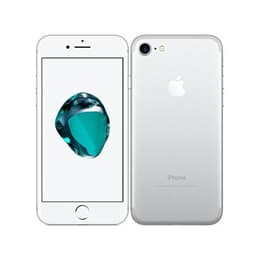
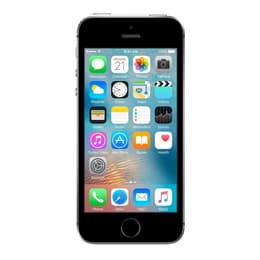
The iPhone 7, released in September 2016, and the iPhone SE (2016), launched in March 2016, represent two distinct approaches to smartphone design from the same era. While both devices operate on the iOS platform and share some core functionalities, they cater to different user preferences primarily through their physical dimensions and internal hardware advancements. The iPhone 7 introduced a larger display and enhanced camera capabilities, alongside a more powerful processor, whereas the iPhone SE (2016) maintained a compact form factor with internal specifications comparable to a slightly older flagship model.
Colour
Storage
When considering the practical lifespan of these devices, several factors come into play, including their release timelines, software support, and physical resilience.
Release year
Compatible with latest Update
Operating system
Foldable
The performance of these two smartphones is primarily driven by their respective processors and RAM configurations, impacting how smoothly they handle daily tasks and applications.
The display is a primary interface for smartphone interaction, and these two models present different viewing experiences due to their screen characteristics.
Resolution
Screen type
Camera capabilities are a significant consideration for many users, and both devices offer competent photography and videography features for their time, with some key distinctions.
Beyond core performance and display, several practical elements contribute to the overall user experience and differentiate these two iPhone models.
Weight
Screen size (in)
Network
SIM card
Carrier compatibility
Connector
The iPhone 7 and iPhone SE (2016) offer distinct experiences rooted in their design philosophies and hardware capabilities. Users often praise the iPhone SE (2016) for its compact size, which many find ideal for one-handed operation and portability. Its performance, while not leading-edge, was considered robust for its time, especially given its smaller form factor. Criticisms sometimes focused on its dated design, which was carried over from earlier models, and its less advanced front camera.
The iPhone 7, on the other hand, was generally lauded for its improved camera with optical image stabilization, brighter and wider color display, and water resistance. Its more powerful processor also contributed to a smoother user experience. Some users expressed reservations about the removal of the 3.5mm headphone jack and the capacitive Home button, which felt different from previous physical buttons.
Users prioritizing a highly compact device that is easy to handle with one hand and prefer a traditional headphone jack may lean towards the iPhone SE (2016). This device is well-suited for those who value portability above all else and have lighter usage needs. Conversely, users who prioritize a larger display, enhanced camera features like optical image stabilization, better front camera performance, and a degree of water resistance will find the iPhone 7 better suited to their needs. Both devices, having reached their final major iOS update, are now best for users who do not require the latest software features or application compatibility. For those seeking a quality-assured refurbished option, both models can serve as eco-friendly alternatives for specific user profiles.