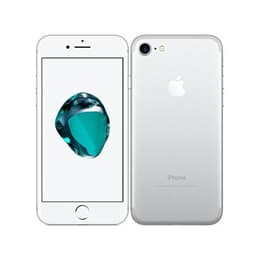

Galaxy A51 vs iPhone 7

Galaxy A51
Galaxy A51
Starting at

Refurbished price:A$197.16

Versus A$592.00 new

See options
iPhone 7
iPhone 7
Starting at

Refurbished price:A$102.00

Versus A$409.00 new

See options

Ratings

The Samsung Galaxy A51, released in late 2019 and early 2020, and the Apple iPhone 7, launched in September 2016, represent distinct approaches to smartphone design and functionality from different eras. While the Galaxy A51 operates on the Android platform, the iPhone 7 runs on Apple's iOS. Key distinctions between these two devices include their operating systems, release timelines, display technologies, and camera capabilities.

Scores

Durability

When considering the long-term usability of these devices, their respective release dates and software support cycles are important factors.

  • Release Timeline: The iPhone 7 was introduced in September 2016, making it a significantly older device compared to the Galaxy A51, which saw its initial release in December 2019 and January 2020. This age difference impacts the availability of current software features and security updates.
  • Software Longevity: The iPhone 7 received major iOS updates up to iOS 15, which was released in 2021, meaning its major software support has concluded. The Galaxy A51 launched with Android 10 and was updated to Android 13, with Samsung having promised three generations of Android updates and four years of security updates for the device. Given the current date, the Galaxy A51's software support is also likely nearing its end.
  • Physical Durability: The iPhone 7 features an aluminum build and is rated IP67 for splash, water, and dust resistance, meaning it can withstand immersion in up to 1 meter of water for 30 minutes. The Galaxy A51 utilizes a plastic back and features Corning Gorilla Glass 3 on its front display for scratch resistance, but it does not carry an official IP rating for water and dust ingress protection.

Release year

2019

2016

Compatible with latest Update

No

No

Operating system

Android

iOS

Foldable

No

No

Performance

The performance of both devices reflects their respective generations and target markets, influencing how smoothly they handle daily tasks and applications.

  • System Responsiveness: The iPhone 7, powered by its A10 Fusion chip, offered strong performance for its time, particularly in single-core tasks, allowing for smooth navigation and app launches. The Galaxy A51, equipped with a mid-range processor, provides adequate performance for everyday use, including web browsing, social media, and moderate multitasking.
  • Multitasking Capabilities: The iPhone 7 comes with 2GB of RAM, which was sufficient for its operating system at the time of its release. The Galaxy A51 offers more RAM options, typically ranging from 4GB to 8GB, which can contribute to a more fluid experience when switching between multiple applications.
  • Storage and Expandability: The iPhone 7 was available with internal storage options of 32GB, 128GB, or 256GB, but it does not support expandable storage. The Galaxy A51 offers internal storage configurations of 64GB, 128GB, or 256GB, and includes a microSD card slot for users who require additional storage capacity.

Memory (GB)

6 GB

2 GB

Screen quality

The visual experience on these smartphones differs significantly due to their display technologies and physical dimensions.

  • Display Technology and Clarity: The iPhone 7 features a 4.7-inch Retina HD IPS LCD display with a resolution of 1334x750 pixels, offering clear visuals and good color accuracy. The Galaxy A51 boasts a larger 6.5-inch Super AMOLED Infinity-O display with a higher resolution of 2400x1080 pixels. The Super AMOLED technology provides deeper blacks, higher contrast, and more vibrant colors compared to the LCD panel.
  • Screen Size and Viewing Experience: The Galaxy A51's larger screen offers a more expansive viewing area, which can enhance the experience for media consumption, gaming, and productivity tasks. The iPhone 7's more compact 4.7-inch display is better suited for one-handed use and users who prefer a smaller form factor.
  • Brightness and Refresh Rate: Both devices feature a standard 60Hz refresh rate, providing a consistent visual flow. The iPhone 7's display offers a typical brightness of 625 nits, contributing to good outdoor visibility. The Galaxy A51's Super AMOLED panel generally offers good brightness and excellent outdoor visibility due to its inherent contrast.

Resolution

1080 x 2400

750 x 1334

Screen type

Super AMOLED

Retina IPS LCD

Audiovisual

The camera systems on the Galaxy A51 and iPhone 7 reflect different design philosophies and offer varying photographic capabilities.

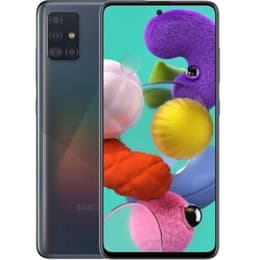
  • Rear Camera Versatility: The iPhone 7 is equipped with a single 12-megapixel rear camera featuring an f/1.8 aperture and optical image stabilization, capable of capturing detailed photos and 4K video at 30 frames per second. The Galaxy A51 offers a more versatile quad-camera setup, including a 48-megapixel main sensor, a 12-megapixel ultrawide lens, a 5-megapixel macro lens, and a 5-megapixel depth sensor. This allows for a wider range of photographic styles, from expansive landscapes to close-up shots.
  • Low-Light and Everyday Photography: The iPhone 7's camera, while older, was known for its reliable performance in various lighting conditions, benefiting from optical image stabilization. The Galaxy A51's higher megapixel count on its main sensor and the inclusion of specialized lenses can provide more detail and flexibility in well-lit conditions, and its ultrawide lens offers a broader perspective.
  • Front Camera and Video: For selfies and video calls, the iPhone 7 has a 7-megapixel front camera that can record 1080p HD video. The Galaxy A51 features a higher-resolution 32-megapixel front camera, also capable of recording 4K video at 30 frames per second, offering more detail for self-portraits and video conferencing.

Main camera

48 megapixels

12 megapixels

Front camera

32 megapixels

7 megapixels

Miscellaneous

Beyond core features, several practical elements differentiate the user experience of these two smartphones.

  • Connectivity and Ports: Both devices support 4G LTE and Wi-Fi 5 (802.11ac). The iPhone 7 uses Bluetooth 4.2, while the Galaxy A51 features the newer Bluetooth 5.0, which can offer improved range and efficiency with compatible accessories. The iPhone 7 relies on a Lightning port for charging and data transfer and notably lacks a 3.5mm headphone jack. The Galaxy A51, on the other hand, uses a USB-C port and retains the traditional 3.5mm headphone jack.
  • Biometric Security: The iPhone 7 incorporates a front-mounted capacitive home button with Touch ID for fingerprint authentication. The Galaxy A51 features an in-display optical fingerprint sensor and also supports face recognition for unlocking the device.
  • Physical Design and Handling: The iPhone 7 is a more compact and lighter device, weighing 138 grams with dimensions of 138.3 x 67.1 x 7.1 mm. The Galaxy A51 is larger and slightly heavier at 172 grams, with dimensions of 158.5 x 73.6 x 7.9 mm, offering a more substantial feel in hand.

Weight

172 oz

138 oz

Screen size (in)

6.5

4.7

Network

4G

4G

SIM card

Physical SIM

Physical SIM

Carrier compatibility

Unlocked

Unlocked

The choice between the Samsung Galaxy A51 and the iPhone 7 largely depends on individual priorities and preferred ecosystem. Users who value a compact form factor, a streamlined operating system, and a robust, albeit older, performance for essential tasks may find the iPhone 7 suitable. Its established iOS ecosystem and consistent user experience are often praised by its users. However, some users have noted its aging design and the conclusion of major software updates as potential drawbacks.

Conversely, those who prioritize a larger, more vibrant display, greater camera versatility with multiple lenses, expandable storage, and the flexibility of the Android operating system might lean towards the Galaxy A51. Users often appreciate its modern design and the inclusion of a headphone jack. Criticisms sometimes point to its mid-range performance compared to flagship devices of its time, and its software support is also winding down.

Ultimately, if a user seeks a device for basic communication, media consumption, and light app usage within a familiar Apple environment, the iPhone 7 could be a consideration. If a larger screen, diverse camera options, and the ability to expand storage are more important, the Galaxy A51 presents a compelling alternative. Both models are available as quality-assured refurbished options, providing an eco-friendly alternative for consumers.

See all articles

Our recent comparisons