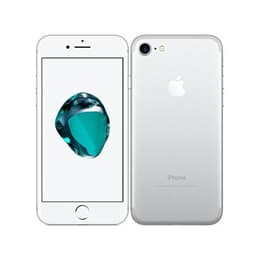

iPhone 11 Pro vs iPhone 7

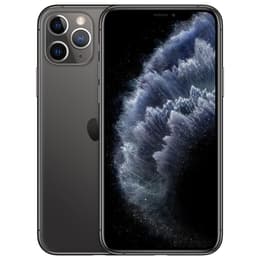
iPhone 11 Pro
iPhone 11 Pro
Starting at

Refurbished price:A$327.00

Versus A$1,029.00 new

See options
iPhone 7
iPhone 7
Starting at

Refurbished price:A$102.00

Versus A$409.00 new

See options

Ratings

The iPhone 11 Pro, released in September 2019, and the iPhone 7, launched in September 2016, represent different generations of Apple's smartphone lineup. While both devices operate on the iOS platform, the iPhone 11 Pro introduces significant advancements in display technology, camera capabilities, and processing power compared to its predecessor. These differences cater to varying user needs and expectations from a smartphone.

Scores

Durability

The practical lifespan of a smartphone is influenced by its release timeline, ongoing software support, and physical durability features.

  • Release Timeline: The iPhone 11 Pro was released in September 2019, making it three years newer than the iPhone 7, which launched in September 2016. This age difference directly impacts the duration of future software updates and overall longevity.
  • Software Longevity: The iPhone 7's official software support concluded with iOS 15. In contrast, the iPhone 11 Pro, having launched with iOS 13, continues to receive major iOS updates, including the current iOS 17, and is expected to support future versions for a longer period, likely extending its functional life by several years compared to the iPhone 7.
  • Durability Features: The iPhone 11 Pro features an IP68 rating for water and dust resistance, allowing it to withstand submersion up to 4 meters for 30 minutes. The iPhone 7 has an IP67 rating, offering resistance up to 1 meter for 30 minutes. Both devices offer a degree of protection against everyday spills and dust, but the iPhone 11 Pro provides enhanced resilience.

Release year

2019

2016

Compatible with latest Update

Yes

No

Operating system

iOS

iOS

Foldable

No

No

Performance

Performance is a key differentiator, impacting how smoothly applications run and how efficiently the device handles demanding tasks.

  • Processing Capabilities: The iPhone 11 Pro features a more advanced internal processor, which translates to noticeably faster app loading times, smoother multitasking, and improved performance in graphically intensive applications and games. The iPhone 7, with its older processor, handles everyday tasks adequately but may show signs of slowdown with newer, more demanding software or extensive multitasking.
  • System Responsiveness: Users will experience a more fluid and responsive interface on the iPhone 11 Pro due to its newer hardware and increased RAM (4 GB compared to the iPhone 7's 2 GB). This is particularly evident when switching between multiple applications or running complex operations.
  • Battery Behavior: The iPhone 11 Pro is equipped with a larger battery capacity (3046 mAh) compared to the iPhone 7 (1960 mAh). This generally results in longer usage times on a single charge for the iPhone 11 Pro, with many users reporting it can comfortably last through a full day of moderate to heavy use. The iPhone 7 typically requires more frequent charging, especially for users with high usage patterns.

Memory (GB)

4 GB

2 GB

Screen quality

The visual experience differs significantly between these two models, primarily due to advancements in display technology.

  • Display Technology and Clarity: The iPhone 11 Pro boasts a 5.8-inch Super Retina XDR OLED display, offering superior contrast, deeper blacks, and more vibrant colors compared to the iPhone 7's 4.7-inch Retina HD IPS LCD screen. The OLED technology allows for individual pixel illumination, resulting in a more immersive viewing experience.
  • Resolution and Brightness: The iPhone 11 Pro features a higher resolution of 2436 x 1125 pixels at 458 pixels per inch (ppi), providing sharper text and more detailed images than the iPhone 7's 1334 x 750 pixels at 326 ppi. Additionally, the iPhone 11 Pro offers significantly higher typical brightness (800 nits) and peak HDR brightness (1200 nits), making it more legible in bright outdoor conditions and enhancing HDR content. The iPhone 7 has a typical brightness of 625 nits.
  • Refresh Rate and Features: Both devices feature a standard 60Hz refresh rate. However, the iPhone 11 Pro includes True Tone technology, which automatically adjusts the display's white balance to match ambient light, and Haptic Touch for contextual feedback. The iPhone 7 includes 3D Touch, which provides pressure-sensitive input, a feature not present in the 11 Pro.

Resolution

1125 x 2436

750 x 1334

Screen type

Super Retina XDR OLED

Retina IPS LCD

Audiovisual

The camera systems represent one of the most substantial upgrades in the iPhone 11 Pro, offering a more versatile and capable photography experience.

  • Rear Camera System: The iPhone 11 Pro features a triple 12MP camera system, including Ultra Wide, Wide, and Telephoto lenses, providing 2x optical zoom in and out, and up to 10x digital zoom. This allows for greater creative flexibility and improved image quality across various scenarios. The iPhone 7 has a single 12MP wide-angle camera with optical image stabilization and up to 5x digital zoom.
  • Photography Features: The iPhone 11 Pro introduces Night mode for significantly improved low-light photography, Deep Fusion for enhanced detail in medium-to-low light, and advanced Portrait mode with Depth Control. While the iPhone 7 also has Portrait mode (on the Plus model) and optical image stabilization, it lacks the advanced computational photography features of the 11 Pro.
  • Video and Audio Quality: Both phones can record 4K video, but the iPhone 11 Pro supports 4K up to 60 frames per second (fps) with extended dynamic range and cinematic video stabilization, offering smoother and more detailed video capture. The iPhone 7 records 4K at 30 fps. The iPhone 11 Pro also features Audio Zoom, which focuses audio recording on the subject being zoomed into. For front cameras, the iPhone 11 Pro has a 12MP TrueDepth camera capable of 4K video and slo-mo selfies, a notable upgrade from the iPhone 7's 7MP FaceTime HD camera which records 1080p HD video.

Main camera

12 megapixels

12 megapixels

Front camera

12 megapixels

7 megapixels

Miscellaneous

Beyond core performance and camera, several practical elements contribute to the overall user experience.

  • Connectivity and Ports: The iPhone 11 Pro supports newer connectivity standards, including Wi-Fi 6 (802.11ax) and Bluetooth 5.0, offering potentially faster and more stable wireless connections than the iPhone 7's Wi-Fi 5 (802.11ac) and Bluetooth 4.2. Both devices utilize a Lightning port for charging and data transfer. The iPhone 7 was notable for removing the 3.5mm headphone jack, a design choice continued with the iPhone 11 Pro.
  • Biometrics and Sensors: The iPhone 11 Pro relies on Face ID for secure authentication and unlocking, using its TrueDepth camera system. The iPhone 7 uses Touch ID, an integrated fingerprint sensor in the home button. The iPhone 11 Pro also includes an Ultra Wideband chip for spatial awareness, a feature absent in the iPhone 7.
  • Design and Handling: The iPhone 11 Pro has dimensions of 144 x 71.4 x 8.1 mm and weighs 188 g. The iPhone 7 is more compact and lighter at 138.3 x 67.1 x 7.1 mm and 138 g. The iPhone 11 Pro features a more premium build with a matte glass back and stainless steel frame, while the iPhone 7 has an aluminum unibody design.

Weight

188 oz

138 oz

Screen size (in)

5.8

4.7

Network

4G

4G

SIM card

Physical SIM + eSIM

Physical SIM

Carrier compatibility

Unlocked

Unlocked

Connector

Lightning

Lightning

User sentiment often highlights the iPhone 11 Pro's camera system, particularly its Night mode and versatile triple lenses, as a significant advantage for photography enthusiasts and those who value high-quality video recording. Its vibrant OLED display and extended battery life are also frequently praised, contributing to a more premium daily experience. Some users appreciate its robust performance for demanding applications and multitasking.

Conversely, the iPhone 7 is often lauded for its compact size and the continued presence of Touch ID, which some users prefer over facial recognition. Its performance for basic tasks remains acceptable, but its age means it no longer receives major software updates, which can be a concern for security and access to new features. Battery life on the iPhone 7 is also a common point of criticism for heavy users, often requiring mid-day recharges.

Users prioritizing advanced photography features, a superior display, and longer software support will find the iPhone 11 Pro better suited to their needs. Its enhanced processing power also makes it a strong choice for those who engage in mobile gaming or use resource-intensive applications. For individuals seeking a more compact device for essential communication, web browsing, and light app usage, the iPhone 7 could still be a viable option, especially if they prefer Touch ID. Opting for a quality-assured refurbished option for either model can provide a sustainable choice for consumers.

See all articles

Our recent comparisons