iPhone
Compare models
Differences at a glance
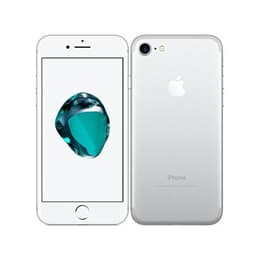
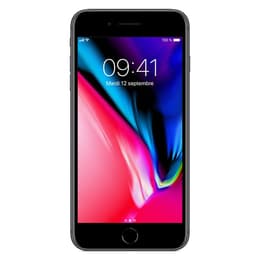
The iPhone 7, released in September 2016, and the iPhone 8 Plus, launched in September 2017, represent two consecutive generations of Apple's larger-format smartphones. While they share a similar physical design and display size, the iPhone 8 Plus introduced internal hardware upgrades and new features, building upon the foundation laid by its predecessor. Both devices operate on Apple's iOS platform, offering a consistent user experience with distinct differences in performance and display technology.
Colour
Storage
When considering the longevity of these devices, their release timelines and software support are key factors.
Release year
Compatible with latest Update
Operating system
Foldable
The internal components of these smartphones dictate their speed and efficiency in handling various tasks.
Both devices feature large displays designed for a clear viewing experience, though with some distinctions.
Resolution
Screen type
The camera systems on both phones offer capable photography, with the newer model introducing notable enhancements.
Beyond core performance, several practical elements differentiate these two devices.
Weight
Screen size (in)
Network
SIM card
Carrier compatibility
Connector
The iPhone 7 and iPhone 8 Plus both offer a large-screen iPhone experience, but the iPhone 8 Plus provides several notable advancements. Users frequently praise the iPhone 7 for its solid performance, reliable camera, and good battery life for its generation. Common criticisms for the iPhone 7 include its aging processor and the eventual end of major iOS updates, as well as the removal of the headphone jack.
The iPhone 8 Plus is often lauded for its faster processor, improved camera capabilities, particularly in low light and with Portrait Lighting, and the convenience of wireless charging and True Tone display. However, its glass back is noted as being more prone to damage from drops.
Users prioritizing extended software support and a more capable camera system, especially for video and low-light photography, may prefer the iPhone 8 Plus. Its faster processor also makes it better suited for demanding applications and a smoother overall experience. Conversely, users who value a slightly lighter device and are content with an earlier generation's performance and camera capabilities might find the iPhone 7 sufficient for their needs. Both models, available as quality-assured refurbished options, present an eco-friendly alternative for consumers.