iPhone
Compare models
Differences at a glance
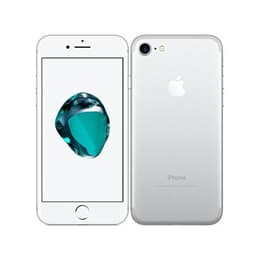
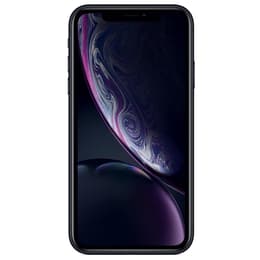
The iPhone 7, released in September 2016, and the iPhone XR, launched in October 2018, represent different generations within Apple's smartphone lineup. While both devices operate on Apple's iOS ecosystem, the iPhone XR introduces a more modern design, a larger display, and a significantly more capable internal processor, setting it apart from its predecessor.
Colour
Storage
The practical lifespan of a smartphone is influenced by its initial release, software support, and physical resilience. These two models offer different expectations in terms of longevity.
Release year
Compatible with latest Update
Operating system
Foldable
Performance differences between the iPhone 7 and iPhone XR are notable, primarily due to the generational leap in their internal components, impacting speed, efficiency, and multitasking capabilities.
The display experience differs significantly between these two iPhone models, primarily in size, technology, and overall visual presentation.
Resolution
Screen type
The camera systems on the iPhone 7 and iPhone XR offer distinct capabilities, reflecting advancements in mobile photography over their respective release periods.
Beyond core performance and display, several practical elements differentiate the iPhone 7 and iPhone XR, influencing daily usability and connectivity.
Weight
Screen size (in)
Network
SIM card
Carrier compatibility
Connector
Choosing between the iPhone 7 and iPhone XR involves weighing factors such as software longevity, performance demands, and preferred design. The iPhone 7, a device from 2016, is praised for its compact size and the inclusion of Touch ID, which some users still prefer. However, its software support cycle has largely concluded for major iOS updates, and its processing power is less suited for modern, demanding applications. Users often note its adequate performance for basic tasks but acknowledge its limitations for intensive use.
The iPhone XR, released two years later, offers a more contemporary experience with a larger, edge-to-edge display, Face ID, and a significantly more powerful processor. Users frequently commend its excellent battery life and capable single-lens camera, which delivers impressive results, especially with Smart HDR and Portrait mode (though initially limited to faces). Criticisms sometimes point to its LCD screen resolution being lower than some contemporaries, and the absence of 3D Touch.
Users prioritizing a compact form factor, a physical home button, and who primarily use their phone for basic communication and light browsing might find the iPhone 7 sufficient. However, for those seeking a device with a longer software update lifespan, better performance for a wider range of applications, superior battery endurance, and a more modern full-screen design, the iPhone XR presents a more suitable option. Both models are available as quality-assured refurbished options, providing an eco-friendly alternative for consumers.