Compare models
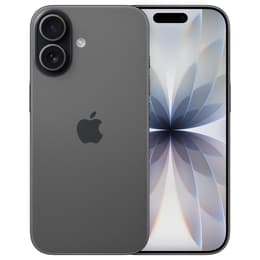
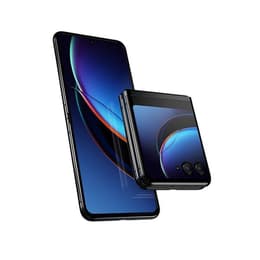
iPhone 17 vs Motorola Razr 40 Ultra
- 1-year warranty
- Free standard shipping
- Free 30-day returns
Differences at a glance
The iPhone 17 (2025) and the Motorola Razr 40 Ultra (2023) represent two distinct approaches to modern mobile technology, contrasting a traditional slate design with a foldable flip form factor. While the iPhone 17 relies on Apple's refined hardware ecosystem and standard bar shape, the Motorola Razr 40 Ultra delivers a nostalgic yet modern clamshell design centered around a large external cover screen. Operating on iOS and Android respectively, these devices cater to very different user preferences regarding hardware layout and interface philosophy.
Available Models
Colour
Storage
Scores
Durability
When evaluating longevity and structural durability, both devices offer different outlooks influenced by their release timelines and mechanical designs.
- Software support: The iPhone 17 benefits from an extended multi-year software update schedule, whereas the Motorola Razr 40 Ultra features a more concise timeline aligned with its earlier 2023 launch.
- Hardware construction: The iPhone 17 utilizes a rigid, traditional glass-and-aluminum slab construction, while the Motorola Razr 40 Ultra incorporates a folding internal screen and hinge mechanism that requires careful handling over extended periods.
- Repairability: Traditional slate handsets like the iPhone generally present simpler pathways for component servicing compared to intricate foldable devices.
Release year
2025
2023
Compatible with latest Update
Yes
Yes
Operating system
iOS
Android
Foldable
No
Yes
Performance
Day-to-day usability and system responsiveness differ significantly based on the internal hardware integration of each smartphone.
- Multitasking capacity: Both models handle everyday switching between messaging, web browsing, and media streaming smoothly, backed by efficient memory allocation.
- Storage configurations: The iPhone 17 starts with high-capacity baseline storage options, while the Motorola Razr 40 Ultra offers ample space for local media files and applications without expansion slots.
- Battery behavior: The iPhone 17 optimizes power consumption for a full day of mixed use, whereas the Motorola Razr 40 Ultra's dual-screen setup requires frequent management during heavy external display usage.
Screen quality
Visual output and display versatility form a major point of divergence between these two device categories.
- Display technology: The iPhone 17 features a bright, high-refresh-rate OLED panel with uniform clarity, while the Motorola Razr 40 Ultra utilizes a flexible inner OLED screen paired with an expansive, functional outer cover display.
- Outdoor visibility: Peak brightness levels on the iPhone 17 ensure clear legibility under direct sunlight, matching the vibrant outdoor performance of the Razr's cover panel.
- Motion smoothness: High refresh rate support across both devices delivers fluid scrolling and responsive touch interactions during daily navigation.
Audiovisual
Multimedia capture and audio output capabilities cater to varied content creation and media consumption habits.
- Camera systems: The iPhone 17 equips dual high-resolution rear sensors optimized for balanced color reproduction, while the Motorola Razr 40 Ultra utilizes versatile angles that allow unique folding angles for hands-free framing.
- Video and low-light: Stable video recording and capable low-light processing help both models manage challenging lighting conditions effectively.
- Audio delivery: Integrated stereo speakers provide balanced sound output for casual media viewing and hands-free calls on both handsets.
Front camera
18 megapixels
32 megapixels
Miscellaneous
Practical physical characteristics and connectivity standards define how each phone integrates into daily routines.
- Connectivity suite: Both devices support modern 5G networks, fast Wi-Fi standards, and reliable Bluetooth pairing for peripheral accessories.
- Physical interface: The iPhone 17 relies on a standard universal connector port, while the Motorola Razr 40 Ultra similarly adopts contemporary charging and data transfer standards.
- Handling and ergonomics: The iPhone 17 offers a familiar, pocket-friendly slate profile, whereas the Motorola Razr 40 Ultra folds neatly in half to occupy less vertical space in pockets or small bags.
Weight
177 oz
192 oz
Screen size (in)
6.3
6,9
Network
5G
5G
SIM card
Physical SIM + eSIM
Physical SIM
Carrier compatibility
Unlocked
Unlocked
What the community thinks
User feedback from online communities highlights distinct preferences for each device style. Owners of the iPhone 17 frequently praise its dependable battery performance, robust build quality, and seamless software integration within the Apple ecosystem. Conversely, users drawn to the Motorola Razr 40 Ultra often emphasize the convenience of the large exterior cover screen, which allows for quick message replies and media control without opening the phone, alongside its compact folded footprint. At the same time, some users note that foldable hinges require mindful care over years of heavy use.
Users prioritizing long-term software support and a traditional, sturdy form factor may prefer the iPhone 17, while those seeking a pocketable design with innovative display versatility will find the Motorola Razr 40 Ultra well-suited to their needs. For consumers exploring sustainable technology habits, opting for a quality-assured refurbished option provides an eco-friendly alternative that extends device life cycles. Ultimately, the choice depends on whether a classic slab layout or a folding clamshell experience aligns closer with daily workflow priorities.