Compare models
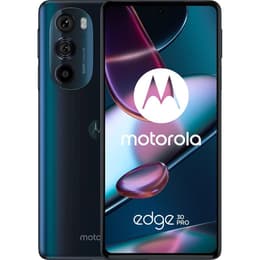
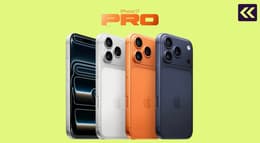
iPhone 17 vs Motorola Edge 30 Pro
- 1-year warranty
- Free standard shipping
- Free 30-day returns
Differences at a glance
The iPhone 17 (2025) and the Motorola Edge 30 Pro (2022) represent two different approaches to modern smartphone engineering. While the iPhone 17 runs on Apple's refined iOS operating system, the Motorola Edge 30 Pro operates on Android, offering a distinct user experience. Both devices cater to users seeking capable daily drivers, though they diverge significantly in release timelines, hardware sophistication, and software ecosystems.
Available Models
Colour
Storage (GB)
Scores
Durability
When evaluating structural longevity and software support, the iPhone 17 and Motorola Edge 30 Pro reflect their respective release years and update policies.
- Software Support: The iPhone 17 benefits from Apple's long-term operating system updates, ensuring extended security and feature additions over many years. The Motorola Edge 30 Pro, having launched earlier, operates on an older software cycle with fewer remaining major updates.
- Build Durability: The iPhone 17 features modern front glass protection designed for enhanced scratch resistance and daily wear mitigation. The Motorola Edge 30 Pro utilizes older glass protection standards alongside a water-repellent build designed to withstand minor splashes.
- Expected Lifespan: Thanks to its newer release timeline and extended software backing, the iPhone 17 offers a longer practical lifespan for users planning multi-year ownership.
Release year
2025
2022
Compatible with latest Update
Yes
Yes
Operating system
iOS
Android
Foldable
No
No
Performance
Daily multitasking, app loading, and energy management vary due to the generational gap and internal components of both handsets.
- System Responsiveness: The iPhone 17 handles demanding apps, heavy mobile gaming, and advanced background tasks smoothly with high thermal efficiency. The Motorola Edge 30 Pro handles everyday navigation and multitasking adequately, though intensive current-generation software may push its older hardware limits.
- Battery Behavior: The iPhone 17 manages power efficiently to support extended daily use across mixed workflows. The Motorola Edge 30 Pro relies on a sizable battery capacity paired with rapid wired charging support to minimize downtime.
- Storage Configuration: Both models offer ample internal storage variants to accommodate large media libraries, applications, and documents without frequent data offloading.
Screen quality
Viewing media, reading text, and interacting with content highlight distinct display engineering choices on each device.
- Display Technology: The iPhone 17 features a vibrant OLED screen with deep blacks, high peak outdoor brightness, and adaptive refresh rates reaching up to 120Hz for fluid scrolling. The Motorola Edge 30 Pro utilizes a P-OLED panel that also supports a high refresh rate for smooth visual transitions.
- Resolution and Clarity: Both handsets deliver sharp text reproduction and vivid color reproduction suitable for streaming video, viewing photos, and browsing the web.
- Outdoor Visibility: The iPhone 17 incorporates high outdoor luminance thresholds that maintain legibility under direct sunlight, while the Motorola Edge 30 Pro provides reliable viewing clarity in everyday lighting conditions.
Audiovisual
Capturing photos, recording video, and handling audio playback reveal different imaging and multimedia strengths.
- Camera Systems: The iPhone 17 equips a dual rear camera array featuring high-resolution main and ultra-wide sensors alongside advanced image stabilization for crisp daytime and low-light shots. The Motorola Edge 30 Pro utilizes high-megapixel primary and ultra-wide sensors complemented by a dedicated depth helper for portraits.
- Video Recording: The iPhone 17 supports stable, high-definition video capture with advanced dynamic range features. The Motorola Edge 30 Pro records clear video suitable for casual sharing and everyday documentation.
- Media and Audio: Both devices include stereo speaker setups that deliver balanced sound output for hands-free calls, podcasts, and casual video viewing.
Front camera
18 megapixels
60 megapixels
Miscellaneous
Practical daily features, connectivity standards, and physical dimensions shape the ergonomics and utility of each smartphone.
- Connectivity and Ports: The iPhone 17 adopts modern universal USB-C connectivity alongside advanced wireless networking standards. The Motorola Edge 30 Pro also utilizes a USB-C port and supports contemporary wireless connection protocols.
- Biometrics and Sensors: The iPhone 17 relies on secure facial recognition, whereas the Motorola Edge 30 Pro features a responsive side-mounted fingerprint reader integrated into the power button.
- Physical Handling: The iPhone 17 presents a compact, lightweight form factor that sits comfortably in one hand, while the Motorola Edge 30 Pro offers a larger screen footprint tailored for immersive media consumption.
Weight
177 oz
196 oz
Screen size (in)
6.3
6,7
Network
5G
5G
SIM card
Physical SIM + eSIM
Dual Physical SIM
Carrier compatibility
Unlocked
Unlocked
What the community thinks
Choosing between the iPhone 17 and the Motorola Edge 30 Pro depends largely on individual ecosystem preferences and hardware priorities. Users prioritizing long-term software support, refined camera capabilities, and a compact ecosystem will find the iPhone 17 well-suited to their needs. Conversely, users who prefer the Android operating system, rapid charging speeds, and a larger screen real estate often gravitate toward the Motorola Edge 30 Pro. Community feedback frequently highlights the smooth display performance of the Motorola device alongside praise for Apple's sustained software longevity and processing efficiency. For consumers looking toward sustainable consumption, choosing a quality-assured refurbished option from Back Market provides a reliable way to acquire these devices while reducing electronic waste. Ultimately, evaluating how each device aligns with daily software habits and handling preferences will lead to the most satisfying choice.