
Compare models

iPhone 17 Pro vs Motorola Razr 40 Ultra

  • 1-year warranty
  • Free standard shipping
  • Free 30-day returns
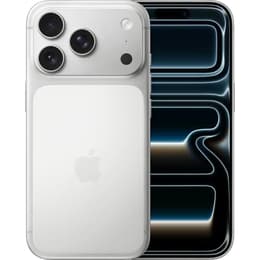
iPhone 17 Pro
Starting at

Refurbished price:A$1,620.00

Versus A$1,999.00 new

See options
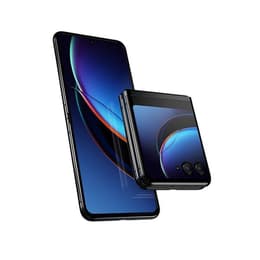
Motorola Razr 40 Ultra
Starting at

Refurbished price:A$530.00

Versus A$2,158.00 new

See options

Differences at a glance

The iPhone 17 Pro (2025) and the Motorola Razr 40 Ultra (2023) represent two entirely different philosophies in smartphone engineering, pairing a traditional flagship slab design with a folding form factor. While the iPhone 17 Pro focuses on robust processing power and camera versatility within iOS, the Motorola Razr 40 Ultra offers a pocket-friendly foldable experience powered by Android. These contrasting builds provide distinct daily user experiences.

Available Models

Colour

Storage

Scores

Durability

When evaluating hardware longevity and software support, both devices approach lifespan differently due to their release years and mechanical designs.

  • Software support timelines: The iPhone 17 Pro benefits from multi-year iOS updates and extended system patch cycles, whereas the Motorola Razr 40 Ultra operates on a shorter remaining Android upgrade window.
  • Mechanical durability: The iPhone 17 Pro relies on a rigid unibody frame and reinforced glass covers, while the Motorola Razr 40 Ultra features a flexible folding display panel that requires careful handling over years of use.
  • Expected practical lifespan: Traditional slab smartphones like the iPhone generally maintain structural resilience longer, whereas foldable devices depend heavily on hinge endurance through daily opening and closing cycles.

Release year

2025

2023

Compatible with latest Update

Yes

Yes

Operating system

iOS

Android

Foldable

No

Yes

Performance

Under everyday workloads, both smartphones manage multitasking and responsive navigation efficiently, though they utilize different hardware configurations.

  • App loading and multitasking: Both devices handle demanding applications and rapid switching smoothly, keeping background tasks active without noticeable slowdowns.
  • Battery behavior: The iPhone 17 Pro provides substantial all-day power for intensive workflows, while the Motorola Razr 40 Ultra's smaller battery capacity requires more frequent recharging during heavy usage days.
  • System responsiveness: Generous memory allocations on both models ensure fluid animations, quick web browsing, and stable performance during multi-window or multi-app tasks.

Screen quality

Display characteristics differ significantly between the two models, impacting media consumption, outdoor legibility, and physical layout.

  • Display technology: The iPhone 17 Pro utilizes a rigid OLED screen with adaptive high refresh rates, whereas the Motorola Razr 40 Ultra features a folding interior screen paired with a large, functional exterior cover display.
  • Outdoor visibility: High peak brightness levels on the iPhone 17 Pro maintain clear visibility under direct sunlight, while the foldable display performs well in moderate lighting conditions.
  • Viewing experience: The iPhone provides a traditional uninterrupted flat viewing canvas, while the Razr offers unique folding angles and quick access to notifications via its outer screen.

Audiovisual

Imaging capabilities cater to different photography habits, ranging from versatile multi-lens setups to compact creator tools.

  • Camera system versatility: The iPhone 17 Pro equips multiple high-resolution sensors covering wide, ultra-wide, and extended zoom perspectives, while the Razr 40 Ultra relies on a dual-rear configuration paired with a high-pixel selfie camera.
  • Low-light performance: Advanced image processing on the iPhone preserves shadow detail and color accuracy in dim environments, while the Motorola handles casual evening snapshots adequately.
  • Media and audio output: Stereo speakers on both devices deliver clear sound for video playback and hands-free calls, accompanied by crisp microphone performance during recording.

Front camera

18 megapixels

32 megapixels

Miscellaneous

Practical everyday features, connectivity options, and physical handling vary between the rigid slab and folding formats.

  • Connectivity and ports: Both smartphones support modern 5G cellular networks, high-speed Wi-Fi standards, and Bluetooth connections, utilizing proprietary or universal USB Type-C ports for charging.
  • Biometric security: The iPhone 17 Pro utilizes facial recognition technology, whereas the Motorola Razr 40 Ultra incorporates a responsive side-mounted fingerprint sensor.
  • Dimensions and handling: The iPhone 17 Pro offers a balanced, standard pocket footprint, while the Razr 40 Ultra folds in half to occupy minimal space in a bag or pocket.

Weight

206 oz

192 oz

Screen size (in)

6.3

6,9

Network

5G

5G

SIM card

Physical SIM + eSIM

Physical SIM

Carrier compatibility

Unlocked

Unlocked

What the community thinks

User feedback highlights distinct preferences for each device across online communities. Owners of the iPhone 17 Pro frequently praise its reliable battery endurance, dependable camera system, and long-term software stability. Conversely, users of the Motorola Razr 40 Ultra highlight the convenience of its compact folded size and the utility of the outer cover screen for checking alerts without opening the phone. Common criticisms for the foldable model involve battery depletion during heavy use and long-term crease awareness, while the iPhone is sometimes noted for its traditional, non-transforming form factor.

Users prioritizing camera flexibility, extended software lifespans, and traditional ergonomics will find the iPhone 17 Pro well-suited to their daily routines. Meanwhile, users who value a compact pocket footprint, creative folding angles, and a secondary outer display may lean toward the Motorola Razr 40 Ultra. For those seeking a sustainable choice, a quality-assured refurbished option provides an eco-friendly alternative to purchasing brand-new hardware without compromising on performance evaluation.