
Compare models
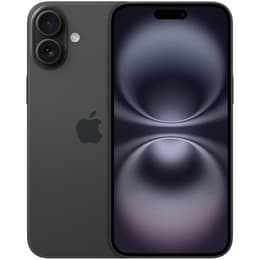
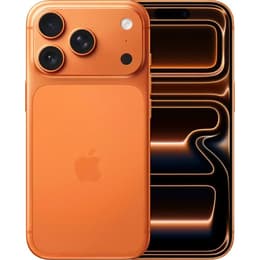
iPhone 16 Plus vs iPhone 17 Pro
- 1-year warranty
- Free standard shipping
- Free 30-day returns
Differences at a glance
The iPhone 16 Plus (2024) and iPhone 17 Pro (2025) represent two distinct tiers and release years within Apple's smartphone lineup. While the iPhone 16 Plus focuses on a larger screen format within standard consumer parameters, the iPhone 17 Pro introduces professional-grade hardware improvements and a more compact form factor. Both devices operate on iOS, yet they cater to entirely different user preferences regarding physical dimensions, processing capability, and media capture functionality.
Available Models
Colour
Storage (GB)
Scores
Durability
When examining longevity and physical durability, both smartphones feature robust build standards designed for extended multi-year use cycles, though their software and hardware timelines differ.
- Software support timeline: The iPhone 17 Pro benefits from a one-year newer release window, positioning it to receive active system updates slightly longer than the iPhone 16 Plus.
- Repairability and build integrity: Both models incorporate high-strength glass protection and maintain standard water resistance ratings, ensuring solid everyday resilience against accidental exposure.
- Expected lifespan: Users can anticipate similar multi-year operational lifespans from both devices, making quality-assured refurbished options from Back Market a sustainable choice for extending device utility.
Release year
2024
2025
Compatible with latest Update
Yes
Yes
Foldable
No
No
Performance
Underneath the exterior, these devices utilize different generations of hardware that influence multitasking execution and sustained day-to-day responsiveness.
- System responsiveness: The iPhone 17 Pro features a more advanced processor configuration paired with higher RAM capacity, handling demanding applications and intensive multitasking with noticeable fluidity.
- Storage configurations: Both models offer ample internal storage tiers starting from standard capacities, accommodating large media libraries and heavy application usage without friction.
- Battery behavior: The iPhone 16 Plus benefits from a larger physical footprint that accommodates extended battery endurance for continuous media streaming, whereas the iPhone 17 Pro balances robust battery capacity with high-performance power management.
Screen quality
Display characteristics differ significantly in size and visual fluidity, directly shaping the everyday viewing and interaction experience.
- Display technology and smoothness: The iPhone 17 Pro incorporates a high-refresh-rate OLED panel that enables exceptionally fluid scrolling and responsive motion, while the iPhone 16 Plus utilizes a standard refresh rate on a larger viewing canvas.
- Size and dimensions: The iPhone 16 Plus provides an expansive 6.7-inch screen well-suited for immersive media consumption, compared to the more compact 6.3-inch display on the iPhone 17 Pro that prioritizes single-handed reach.
- Brightness and outdoor visibility: Both screens deliver high peak brightness levels, ensuring clear legibility and accurate color reproduction even under direct sunlight.
Resolution
1290 x 2796
2622x1206
Screen type
Super Retina XDR OLED
Super Retina XDR
Audiovisual
Imaging capabilities represent a major differentiator, varying from a dual-lens consumer layout to a comprehensive triple-lens professional arrangement.
- Camera versatility: The iPhone 17 Pro features a triple-lens system with high-resolution sensors across main, ultra-wide, and dedicated telephoto lenses, offering extensive optical zoom flexibility.
- Everyday and low-light photography: The iPhone 16 Plus captures sharp, balanced images in standard lighting conditions using its dual-lens setup, while the iPhone 17 Pro excels in challenging low-light environments and macro details.
- Video and audio performance: Both devices support high-definition video recording with advanced stabilization, complemented by clear stereo speakers and microphone arrays suitable for calls and content creation.
Main camera
48 megapixels
48 megapixels
Front camera
12 megapixels
18 megapixels
Miscellaneous
Practical daily usability is shaped by connectivity standards, physical dimensions, and biometric authentication features.
- Connectivity and ports: Both models utilize the universal USB-C standard for charging and data transfer, alongside modern high-speed wireless and 5G network compatibility.
- Biometrics and security: Each smartphone relies on advanced facial recognition technology for secure device unlocking and application authentication.
- Handling and ergonomics: The iPhone 16 Plus presents a wider, lighter profile geared toward two-handed media viewing, whereas the iPhone 17 Pro offers a denser, more compact build that rests easily in smaller pockets.
Weight
199 oz
206 oz
Screen size (in)
6.7
6.3
Network
5G
5G
SIM card
Physical SIM + eSIM
eSIM
Carrier compatibility
Unlocked
Unlocked
Connector
USB-C (USB 2)
USB-C
What the community thinks
User discussions across community forums highlight distinct preferences for each device based on daily habits. Owners of the iPhone 16 Plus frequently praise its reliable battery endurance and expansive screen real estate, making it a favorite for media consumption. Conversely, users of the iPhone 17 Pro heavily commend its fluid display responsiveness, compact ergonomics, and versatile camera system for detailed photography. Frequent criticisms for the larger model focus on its unwieldy size for single-handed use, while the professional model occasionally draws notes for its heavier physical weight relative to its size.
Users prioritizing a large viewing canvas and long battery endurance will find the iPhone 16 Plus well-suited to their needs, while users prioritizing advanced camera flexibility and high-refresh-rate smoothness may prefer the iPhone 17 Pro. Selecting between these two models ultimately depends on whether physical screen size or hardware versatility takes precedence in daily use. Choosing an eco-friendly, quality-assured refurbished alternative provides a practical pathway to acquiring either device while supporting sustainable consumption goals.