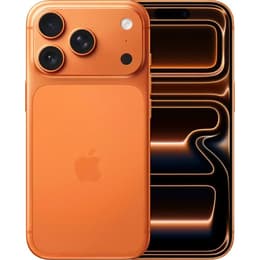

Compare models
iPhone 14 vs iPhone 17 Pro
- 1-year warranty
- Free standard shipping
- Free 30-day returns
Differences at a glance
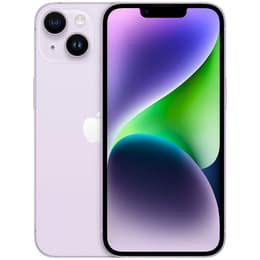
The iPhone 14 (2022) and the iPhone 17 Pro (2025) represent different generations and tiers within Apple's smartphone ecosystem, catering to diverse user expectations. While the iPhone 14 focuses on reliable everyday functionality, the iPhone 17 Pro targets users seeking advanced hardware capabilities and extensive feature sets. Both devices operate on iOS, yet they deliver distinct experiences shaped by their release years and hardware specifications.
Available Models
Colour
Storage (GB)
Scores
Durability
When evaluating hardware longevity and software support, both devices provide robust longevity backed by multi-year operating system updates, though their release timelines differ.
- Software Support: The iPhone 17 Pro benefits from a later release date, ensuring extended software updates compared to its predecessor.
- Build Integrity: Both models utilize durable front glass protection and water resistance ratings, though the iPhone 17 Pro incorporates newer structural materials.
- Expected Lifespan: Both smartphones maintain long-term usability, making quality-assured refurbished options from Back Market a sustainable choice for conscious buyers.
Release year
2022
2025
Compatible with latest Update
Yes
Yes
Operating system
iOS
iOS
Foldable
No
No
Performance
Under everyday conditions, both models handle common tasks smoothly, though the iPhone 17 Pro offers higher RAM configurations and processing headroom for demanding applications.
- Multitasking: The iPhone 17 Pro features expanded memory capacity, allowing heavier workloads and numerous background apps to run concurrently without delays.
- System Responsiveness: Both devices open apps quickly, but resource-intensive mobile games and complex rendering tasks execute faster on the iPhone 17 Pro.
- Power Management: Battery endurance varies based on usage, with the iPhone 17 Pro delivering prolonged video playback and screen-on time during heavy daily routines.
Screen quality
Display characteristics differ significantly between the two models, impacting outdoor visibility, motion smoothness, and media consumption quality.
- Refresh Rate: The iPhone 17 Pro includes high-refresh-rate technology for smoother scrolling and animations, whereas the iPhone 14 utilizes a standard refresh rate.
- Peak Brightness: Outdoor visibility is enhanced on the iPhone 17 Pro thanks to significantly higher maximum brightness levels under direct sunlight.
- Display Size: The iPhone 17 Pro provides a slightly larger screen diagonal within a balanced physical footprint, maximizing viewing space.
Resolution
1170 x 2532
2622x1206
Screen type
Super Retina XDR OLED
Super Retina XDR
Audiovisual
Imaging capabilities span from straightforward dual-lens setups to versatile triple-sensor configurations suited for professional content creation.
- Lens Versatility: The iPhone 17 Pro features a dedicated high-resolution telephoto lens alongside updated main and ultra-wide sensors, offering flexible framing options.
- Low-Light Capture: Both devices perform reliably in dim environments, though sensor improvements on the iPhone 17 Pro preserve finer details and reduce noise.
- Audio and Video: Video recording suites on both models support high-resolution formats, with the iPhone 17 Pro adding advanced recording features and improved microphone clarity.
Main camera
12 megapixels
48 megapixels
Front camera
12 megapixels
18 megapixels
Miscellaneous
Practical daily usability elements, physical dimensions, and connectivity standards highlight generational shifts in hardware design.
- Port Technology: The iPhone 17 Pro adopts universal USB-C connectivity for charging and data transfer, whereas the iPhone 14 relies on the proprietary Lightning connector.
- Physical Dimensions: The iPhone 14 is lighter and more compact for single-handed use, while the iPhone 17 Pro carries slightly more weight due to its larger battery and robust camera hardware.
- Connectivity: Modern wireless standards and cellular modems on the iPhone 17 Pro ensure faster network speeds and improved connection stability in congested areas.
Weight
172 oz
206 oz
Screen size (in)
6,1
6.3
Network
5G
5G
SIM card
Physical SIM + eSIM
eSIM
Carrier compatibility
Unlocked
Unlocked
Connector
Lightning
USB-C
What the community thinks
User feedback from online communities indicates that the iPhone 14 is frequently praised for its lightweight form factor, dependable daily performance, and straightforward interface. Common discussions note that its battery life and standard screen refresh rate meet basic communication and media needs well, though heavy users sometimes desire faster charging and longer runtime between top-ups. Conversely, the iPhone 17 Pro receives praise for its vibrant high-refresh display, versatile camera suite, and rapid processing capabilities, though some users mention that its heavier weight and larger dimensions require an adjustment period during one-handed handling.
Users prioritizing lightweight portability, straightforward everyday communication, and essential smartphone features may prefer the iPhone 14. Meanwhile, users prioritizing advanced photography tools, extended screen-on time, and high-refresh-rate visuals will lean toward the iPhone 17 Pro. Choosing either device as a quality-assured refurbished option provides a sustainable choice that reduces electronic waste without compromising performance standards.