
Compare models
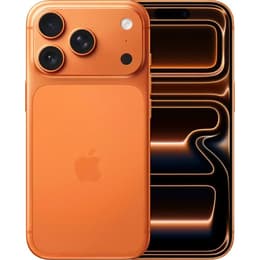
iPhone 16 vs iPhone 17 Pro
- 1-year warranty
- Free standard shipping
- Free 30-day returns
Differences at a glance
The iPhone 16 (2024) and iPhone 17 Pro (2025) represent different tiers and release years within Apple's smartphone ecosystem, offering distinct options depending on user needs. While the iPhone 16 serves as a balanced baseline device, the iPhone 17 Pro introduces advanced capabilities geared toward intensive workflows. Both devices run on Apple's iOS platform, though they differ significantly in hardware power and daily flexibility.
Available Models
Colour
Storage (GB)
Scores
Durability
When examining longevity and physical endurance, both models feature robust construction and extended software support, though their release timelines create differences in overall lifespan.
- Software Support: Both devices benefit from Apple's long-term update cycle, with the newer iPhone 17 Pro maintaining software compatibility for an additional year past the iPhone 16.
- Build and Repairability: Both models utilize durable glass fronts protected by advanced ceramic shielding and carry high water resistance ratings, alongside standard modular component layouts for repair ease.
- Expected Lifespan: The iPhone 17 Pro provides a higher amount of memory headroom, ensuring sustained responsiveness over multi-year ownership for demanding users.
Release year
2024
2025
Compatible with latest Update
Yes
Yes
Foldable
No
No
Performance
Daily operation and speed profiles vary considerably between these two options, driven by differences in internal memory and processing architecture.
- Storage Configurations: The iPhone 16 starts at lower base storage capacities suitable for general use, whereas the iPhone 17 Pro caters to media-heavy workflows with higher baseline storage options.
- System Responsiveness: Both devices handle standard web browsing and messaging effortlessly, but the iPhone 17 Pro manages sustained heavy multitasking and advanced rendering tasks with greater thermal efficiency.
- Memory Capacity: The iPhone 17 Pro includes increased random access memory, allowing background applications to stay active longer without reloading.
Screen quality
Visual output and panel characteristics provide distinct viewing experiences, particularly regarding motion smoothness and outdoor visibility.
- Panel Technology: Both models feature bright OLED displays with sharp pixel densities, but the iPhone 17 Pro includes adaptive high refresh rate technology for smoother scrolling and animations.
- Peak Brightness: The iPhone 17 Pro achieves higher maximum luminance levels, improving legibility under direct sunlight.
- Display Size: The iPhone 17 Pro offers a slightly expanded viewing area within a similarly proportioned footprint compared to the baseline model.
Resolution
1179 x 2556
2622x1206
Screen type
Super Retina XDR OLED
Super Retina XDR
Audiovisual
Imaging and sound capture capabilities reflect the distinct market positions of each device, ranging from everyday snapshots to professional media creation.
- Camera Array: The iPhone 16 relies on a dual-lens setup for standard and wide-angle shots, while the iPhone 17 Pro adds a dedicated high-resolution telephoto lens for distant subjects.
- Video and Audio: The iPhone 17 Pro introduces advanced pro-format recording capabilities and multiple studio-grade microphones suited for content production.
- Media Playback: Both devices deliver clear stereo sound output and spatial audio support for comfortable media consumption without headphones.
Main camera
48 megapixels
48 megapixels
Front camera
12 megapixels
18 megapixels
Miscellaneous
Practical everyday features, connectivity standards, and physical handling characteristics shape the overall user experience.
- Connectivity: Both models support modern high-speed cellular networks and advanced wireless local area network standards for reliable data transfer.
- Physical Handling: The iPhone 16 maintains a lighter overall weight, while the iPhone 17 Pro features a slightly heavier build due to its advanced camera hardware and larger battery.
- Authentication: Both devices utilize secure facial recognition sensors housed within the screen cutout area.
Weight
170 oz
206 oz
Screen size (in)
6.1
6.3
Network
5G
5G
SIM card
Physical SIM + eSIM
eSIM
Carrier compatibility
Unlocked
Unlocked
Connector
USB-C (USB 2)
USB-C
What the community thinks
User feedback from online communities highlights distinct preferences for each device based on practical daily use. Owners of the iPhone 16 frequently praise its comfortable lightweight handling, reliable battery duration during standard tasks, and straightforward camera system. Conversely, users often favor the iPhone 17 Pro for its fluid display motion, versatile zoom lens capabilities, and robust performance headroom during demanding workflows. However, some community discussions note that the iPhone 17 Pro's heavier physical weight and advanced toolset exceed the requirements of casual users.
Users prioritizing compact daily carry, straightforward functionality, and streamlined operation will find the iPhone 16 well-suited to their needs. Meanwhile, users who demand advanced photographic flexibility, maximum multitasking performance, and a high-refresh-rate display may prefer the iPhone 17 Pro. For those seeking an eco-friendly alternative, choosing a quality-assured refurbished option provides a sustainable choice that aligns performance goals with environmental mindfulness. Ultimately, the right selection depends on balancing everyday convenience against specialized hardware demands.