
Compare models

Galaxy S25 Ultra vs iPhone 17

  • 1-year warranty
  • Free standard shipping
  • Free 30-day returns
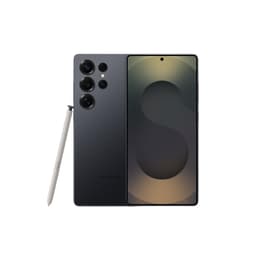
Galaxy S25 Ultra
Starting at

Refurbished price:A$1,039.00

Versus A$2,149.00 new

See options
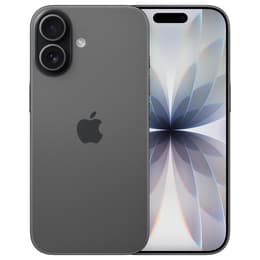
iPhone 17
Starting at

Refurbished price:A$1,503.05

Versus A$1,549.00 new

See options

Differences at a glance

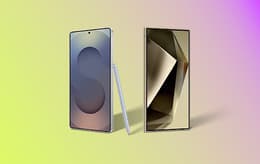
The Samsung Galaxy S25 Ultra (2025) and the Apple iPhone 17 (2025) represent high-end smartphone engineering from their respective manufacturers. While both flagship devices target users seeking top-tier portable computing, they differ fundamentally through their distinct operating systems, hardware ecosystems, and physical form factors. The Galaxy S25 Ultra runs on Android with Samsung's custom interface and includes a dedicated stylus, whereas the iPhone 17 operates on iOS within Apple's integrated ecosystem.

Available Models

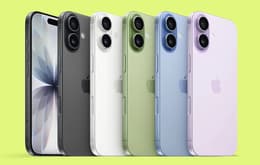
Colour

Storage (GB)

Scores

Durability

Both smartphones provide robust long-term durability and extended software support timelines, though they cater to different device lifecycle preferences through their respective maintenance and build standards.

  • Software Support: Both manufacturers commit to multi-year operating system upgrades and security patches, ensuring both models remain secure and functional for many years of daily use.
  • Build Integrity: The Galaxy S25 Ultra utilizes titanium framing and hardened glass protection, while the iPhone 17 employs durable aluminum and scratch-resistant front cover glass designed to withstand daily wear and drops.
  • Repairability: Both devices feature modular internal components that facilitate authorized repairs, making a quality-assured refurbished option a sustainable choice for environmentally conscious consumers seeking extended hardware lifecycles.

Release year

2025

2025

Operating system

Android

iOS

Foldable

No

No

Performance

Everyday speed and energy management differ based on how each device handles intensive background tasks, multitasking, and thermal regulation during extended use.

  • App Responsiveness: Both models handle demanding applications, complex multitasking, and high-graphics gaming smoothly without noticeable stutter or lag.
  • Storage Capacity: Generous base storage configurations accommodate large media libraries, offline documents, and extensive application data without requiring immediate cloud storage reliance.
  • Battery Efficiency: Power management systems deliver reliable all-day battery life under mixed usage conditions, supporting fast wired charging speeds to minimize downtime between sessions.

Screen quality

Display characteristics emphasize high visual fidelity, outdoor visibility, and smooth motion handling for media consumption and daily navigation.

  • Display Panel: Both devices feature advanced OLED technology that delivers deep black levels, high contrast ratios, and vivid color reproduction across various lighting environments.
  • Refresh Rate: High refresh rate support ensures fluid scrolling through web pages, smooth animations, and responsive touch feedback during interactive tasks.
  • Outdoor Brightness: High peak brightness levels maintain screen legibility under direct sunlight, while anti-reflective properties reduce glare during outdoor reading or photography.

Audiovisual

Optics and media recording systems provide versatile tools for capturing everyday moments, detailed landscapes, and high-definition video content.

  • Camera Array: The Galaxy S25 Ultra features a versatile multi-lens setup including a high-resolution main sensor and dedicated long-range zoom capabilities, while the iPhone 17 relies on a dual-sensor configuration optimized for everyday clarity and rapid capture.
  • Video Recording: Both phones capture stable, high-resolution video with advanced stabilization features and clear audio recording through multi-microphone arrays.
  • Media Playback: Integrated stereo speaker systems deliver balanced audio output for casual video viewing, music streaming, and hands-free calling.

Miscellaneous

Physical dimensions, connectivity standards, and daily handling characteristics define how each smartphone integrates into everyday travel and work routines.

  • Connectivity: Both models support current-generation 5G cellular networks, high-speed Wi-Fi standards, and modern Bluetooth protocols for reliable accessory pairing.
  • Physical Ports: Both devices utilize universal USB-C ports for data transfer and charging convenience across shared ecosystem accessories.
  • Dimensions and Weight: The Galaxy S25 Ultra offers a larger physical workspace and integrated stylus storage suited for productivity, while the iPhone 17 provides a more compact, lighter footprint designed for effortless single-handed handling.

Weight

218 oz

177 oz

Screen size (in)

6.9

6.3

Network

5G

5G

SIM card

Physical SIM + eSIM

Physical SIM + eSIM

Carrier compatibility

Unlocked

Unlocked

What the community thinks

User feedback highlights distinct preferences for each flagship device across online communities and review platforms. Owners of the Galaxy S25 Ultra frequently praise its expansive display estate, versatile multi-lens camera system, and integrated stylus functionality for note-taking and precision tasks. Common discussions sometimes note its larger physical footprint and heavier weight as considerations for pocketability. Conversely, users of the iPhone 17 often commend its seamless iOS software integration, balanced ergonomics, and reliable battery efficiency within a lighter chassis, though some note the absence of expanded optical zoom capabilities compared to ultra-tier counterparts.

Users prioritizing productivity tools, expansive screen space, and versatile zoom photography may prefer the Galaxy S25 Ultra. Meanwhile, users prioritizing a lighter form factor, simplified operating system workflows, and deep ecosystem integration will likely lean toward the iPhone 17. Evaluating these core differences helps ensure an aligned purchase decision, where choosing a quality-assured refurbished option provides an eco-friendly alternative that minimizes environmental impact without sacrificing modern device capabilities.