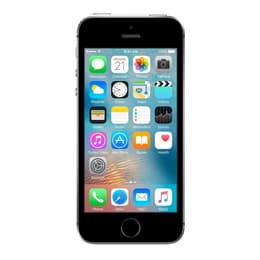

iPhone
Compare models
Differences at a glance
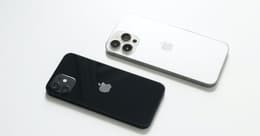
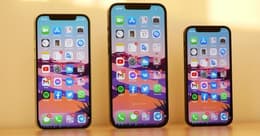
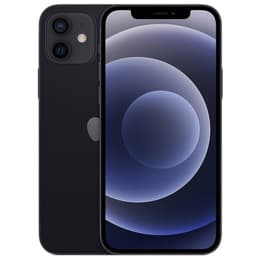
The iPhone 12, released in October 2020, and the iPhone SE (2016), launched in March 2016, represent distinct eras in smartphone design and technology. While both operate on Apple's iOS platform, they cater to different user preferences, primarily differing in their physical size, display technology, and overall processing capabilities. The iPhone 12 offers a more modern, expansive screen experience and advanced features, whereas the iPhone SE (2016) provides a compact form factor with foundational smartphone functionalities.
Colour
Storage
The practical lifespan of a smartphone is often influenced by its release timeline, software support, and physical durability.
Release year
Compatible with latest Update
Operating system
Foldable
Performance differences between these two devices are substantial, reflecting several generations of technological advancement.
The display experience is a major differentiator, with the iPhone 12 offering a significantly more modern visual interface.
Resolution
Screen type
Camera capabilities have evolved considerably between these two models, offering different levels of photographic versatility and quality.
Main camera
Front camera
Beyond core features, several practical elements contribute to the overall user experience and differentiate these two devices.
Weight
Screen size (in)
SIM card
Carrier compatibility
Connector
User sentiment often highlights the iPhone 12's modern capabilities, particularly its vibrant OLED display, enhanced camera system with Night mode, and faster performance for current applications. Users appreciate its 5G connectivity and improved durability. Some common praises for the iPhone SE (2016) revolve around its exceptionally compact size, the presence of a physical home button with Touch ID, and the enduring appeal of its classic design. Its smaller form factor is frequently cited as a key advantage for one-handed use and pocketability.
Conversely, criticisms of the iPhone SE (2016) often focus on its smaller, less vibrant LCD screen, limited battery life for modern usage, and the aging performance for demanding tasks. The iPhone 12, while generally well-received, sometimes draws comments regarding its larger size compared to older compact models, though this is a trade-off for its expansive display.
Users prioritizing a modern smartphone experience with a large, high-quality display, advanced camera features, and robust performance for current and future applications will find the iPhone 12 well-suited to their needs. This device is ideal for media consumption, photography enthusiasts, and those who require fast connectivity. Conversely, individuals who value extreme portability, a physical home button, and a device primarily for essential communication and lighter tasks may prefer the iPhone SE (2016). It remains a viable option for those who appreciate its classic design and smaller footprint.
For those considering either device, exploring quality-assured refurbished options can provide an eco-friendly alternative, extending the life of these products and offering a sustainable choice.