

Compare models

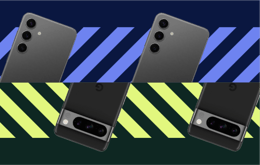
Galaxy S25 vs Google Pixel 9 Pro

  • 1-year warranty
  • Free standard shipping
  • Free 30-day returns
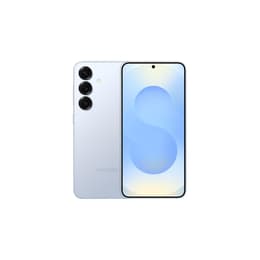
Galaxy S25
Starting at

Refurbished price:A$729.00

Versus A$1,399.00 new

See options
Google Pixel 9 Pro
Starting at

Refurbished price:A$760.00

Versus A$2,205.75 new

See options

Differences at a glance

The Samsung Galaxy S25 (2025) and the Google Pixel 9 Pro (2024) are compact flagship smartphones running on the Android 15 operating system. While both devices deliver top-tier mobile experiences in smaller form factors, they differ primarily in their design aesthetics, software ecosystems, and hardware approaches. The Galaxy S25 emphasizes a lightweight, narrow frame with versatile multi-lens optics, whereas the Google Pixel 9 Pro focuses heavily on deep artificial intelligence integration and high-resolution display clarity.

Available Models

Colour

Storage (GB)

Scores

Durability

Both smartphones provide extended support lifecycles designed to keep software secure and current for years of continuous daily use.

  • Software Support Timeline: Both manufacturers guarantee seven full years of operating system updates and security patches, ensuring long-term software relevance.
  • Repairability and Build: Both models utilize robust aluminum frames and durable glass panels, though repair accessibility varies by regional service availability.
  • Expected Lifespan: High-capacity internal memory and efficient thermal management allow both devices to maintain reliable performance across multi-year ownership periods.

Release year

2025

2024

Operating system

Android

Android

Foldable

No

No

Performance

Handling everyday applications, intense multitasking, and demanding games smoothly, both handsets offer robust processing power tailored for heavy daily use.

  • System Responsiveness: Apps load instantly, and background tasks run without interruption thanks to generous random access memory configurations.
  • Battery Behavior: Battery capacities comfortably support standard daily workflows, though heavy streaming or navigation will require a top-up before the end of the day.
  • Storage Options: Multiple storage tiers accommodate large media libraries, offline files, and extensive application installations without system slowdowns.

Screen quality

Visual output is crisp, vibrant, and easy to view across diverse indoor and outdoor lighting conditions.

  • Display Technology: Both models feature advanced OLED panels that deliver deep contrast levels and rich color reproduction.
  • Refresh Rate and Smoothness: Adaptive refresh rates scale up to 120Hz, ensuring fluid scrolling through web pages and smooth animation transitions.
  • Outdoor Visibility: High peak brightness capabilities keep text and images legible even under direct sunlight.

Resolution

1080x2340

1280x2856

Audiovisual

Photography and video recording suites provide exceptional detail, reliable low-light capture, and versatile zoom functionalities.

  • Lens Versatility: Multi-sensor rear arrays include main, ultra-wide, and dedicated telephoto options for flexible framing from wide landscapes to distant subjects.
  • Video and Audio: High-definition video recording features robust stabilization, complemented by clear microphone arrays that isolate voices effectively during calls.
  • Media Output: Stereo speakers deliver balanced audio output for casual video viewing and music playback.

Miscellaneous

Connectivity and physical design attributes shape how comfortably each device fits into daily routines and travel requirements.

  • Connectivity Standards: Both phones support rapid 5G networks, modern Wi-Fi protocols, and precise location tracking sensors.
  • Physical Handling: Slim profiles and ergonomic dimensions ensure comfortable one-handed use, though minor variations in weight affect pocket feel.
  • Authentication: Responsive under-display biometric sensors provide quick and secure unlocking capabilities.

Weight

162 oz

199 oz

Screen size (in)

6.2

6.3

Network

5G

5G

SIM card

Physical SIM + eSIM

Physical SIM + eSIM

Carrier compatibility

Unlocked

Unlocked

What the community thinks

User discussions across community forums highlight distinct preferences for each device based on software philosophy and daily habits. Owners frequently praise the Galaxy S25 for its exceptionally lightweight frame, comfortable one-handed ergonomics, and versatile camera versatility. Conversely, Google Pixel 9 Pro users often emphasize appreciation for the clean software interface, advanced photographic editing tools, and long-term commitment to feature drops. Common criticisms for both models center on base storage tiers filling up quickly for media-heavy users and charging speeds that trail behind some specialized competitors.

Users prioritizing a lighter, more compact physical footprint with traditional custom interfaces may prefer the Galaxy S25, while users prioritizing deep artificial intelligence assistance and high-resolution display sharpness will lean toward the Google Pixel 9 Pro. For those seeking a sustainable choice, a quality-assured refurbished option provides a reliable, eco-friendly alternative to purchasing brand new. Ultimately, the right choice depends on which software ecosystem and handling style best match your daily routine.