
iPhone
Compare models
Differences at a glance
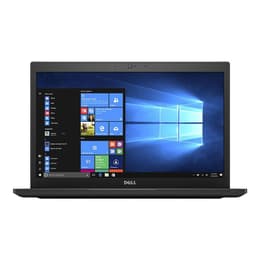
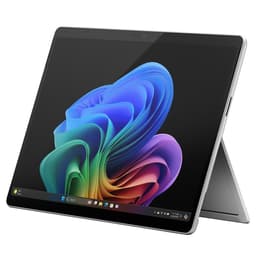
The Dell Latitude 7490, released in 2018, is a traditional 14-inch business laptop, while the Microsoft Surface Pro 6, also launched in 2018, is a 12.3-inch 2-in-1 detachable tablet. Both devices operate on the Windows platform, but they cater to different user preferences through their distinct form factors and design philosophies. The Latitude 7490 emphasizes robust build and extensive connectivity, whereas the Surface Pro 6 prioritizes portability and touch-enabled versatility.
When considering the long-term usability of these devices, both the Dell Latitude 7490 and the Microsoft Surface Pro 6, having been released in 2018, share a similar timeline for operating system support from Microsoft. Both are capable of running Windows 10 and can be upgraded to Windows 11, extending their software relevance for several years.
Release year
Last Os Compatibility
Operating system
Both the Dell Latitude 7490 and the Microsoft Surface Pro 6 are equipped with 8th generation Intel Core processors, providing capable performance for everyday computing tasks.
Graphic card
The display experience differs significantly between these two devices, primarily due to their form factors and intended uses.
Resolution
Screen type
The camera and audio capabilities of these devices reflect their primary design intentions, with the Surface Pro 6 offering more robust features for video conferencing and media.
Beyond core performance and display, several practical elements differentiate the Dell Latitude 7490 and the Microsoft Surface Pro 6, impacting their daily usability.
Weight
Screen size
The Dell Latitude 7490 and Microsoft Surface Pro 6, both 2018 releases, present distinct computing experiences tailored to different user needs. The Latitude 7490 is frequently praised by users for its robust, business-grade build quality, extensive port selection, and comfortable keyboard, making it a reliable workhorse for productivity. Common criticisms sometimes point to its weight compared to more modern ultrabooks and, on some base models, a less vibrant display. Users often highlight its ease of service and upgradeability as a significant advantage.
Conversely, the Microsoft Surface Pro 6 is lauded for its exceptional portability, versatile 2-in-1 design, and a high-resolution, touch-enabled display that excels for media consumption and creative tasks like note-taking or sketching. However, users frequently note its limited port selection, particularly the absence of a USB-C port, and the fact that essential accessories like the keyboard and pen are often sold separately. Its repairability is also a common concern, with components being difficult to access or replace.
Users prioritizing a traditional, durable laptop experience with a wide array of connectivity options and potential for internal upgrades may find the Dell Latitude 7490 well-suited to their needs. This device is ideal for professionals or students who require a stable workstation and frequently connect to external peripherals. On the other hand, individuals who value maximum portability, a high-quality touch display, and the flexibility of a tablet-laptop hybrid for on-the-go productivity and media consumption might lean towards the Microsoft Surface Pro 6. When considering either of these models, exploring quality-assured refurbished options can provide an eco-friendly alternative for acquiring these devices.