Compare models
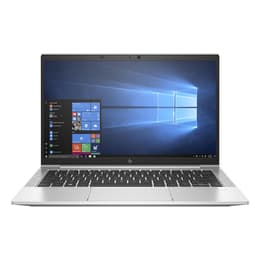
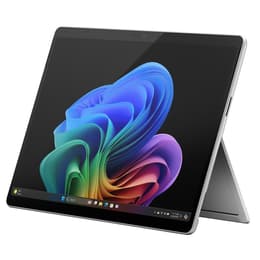
HP EliteBook 830 G7 13" vs Microsoft Surface Pro 6 12"
- 1-year warranty
- Free standard shipping
- Free 30-day returns
Differences at a glance
The HP EliteBook 830 G7 (2020) and Microsoft Surface Pro 6 (2018) represent two distinct approaches to portable computing, balancing traditional clamshell utility against versatile detachable design. While both run on Windows operating systems and cater to mobile professionals, their form factors and release timelines shape entirely different daily workflows.
Scores
Durability
When evaluating hardware longevity and support timelines, these two devices reflect their respective release years and intended enterprise maintenance cycles.
- Release Timeline and Software Support: The HP EliteBook 830 G7 arrived two years after the Microsoft Surface Pro 6, granting it a slightly extended window for firmware updates and operating system compatibility. Both models run modern Windows versions, though older hardware components mean extended support depends heavily on specific processor generations.
- Repairability and Build Maintenance: Traditional business laptops like the HP model offer more straightforward component access for battery replacements or internal repairs, whereas sealed tablet configurations present greater physical barriers to internal servicing.
- Expected Lifespan: Both systems handle standard administrative duties reliably, but the later release date of the HP device provides a minor advantage for long-term daily deployment.
Release year
2019
2017
Last Os Compatibility
Yes
Yes
Operating system
Windows 11
Windows 11
Performance
Daily responsiveness and multitasking capabilities vary based on thermal design and internal hardware configurations available across both product lines.
- Everyday Responsiveness and Multitasking: Both laptops handle web browsing, document editing, and video conferencing smoothly, though heavier applications benefit from the slightly newer processor generation found in the HP EliteBook.
- Storage and Memory Configurations: Storage options range from compact configurations to expansive solid-state drives on both machines, paired with varying random access memory allocations that dictate how many intensive applications run simultaneously.
- Thermal Behavior and Battery Impact: The traditional clamshell chassis of the HP device allows for structured airflow during extended workloads, whereas the thin tablet profile of the Microsoft device manages sustained computing loads within a more compact passive cooling space.
Graphic card
Integrated Graphics
Integrated Graphics
Screen quality
Visual workspace presentation differs significantly between the traditional widescreen laptop display and the taller, touch-centric tablet screen format.
- Display Technology and Aspect Ratio: The Microsoft Surface Pro 6 features a high-resolution PixelSense touchscreen with a 3:2 aspect ratio designed for vertical document viewing, while the HP EliteBook 830 G7 utilizes a conventional 16:9 widescreen layout tailored for horizontal media consumption.
- Resolution and Pixel Density: The Surface Pro offers a higher pixel density for crisp text rendering, whereas the HP laptop provides standard full high-definition clarity suitable for typical office productivity tasks.
- Surface Finish and Outdoor Visibility: Matte or anti-glare screen treatments on the traditional laptop reduce reflections in brightly lit offices, while the glossy glass touchscreen on the tablet format offers vibrant color depth at the expense of potential glare.
Resolution
1920 x 1080
2736 x 1824
Screen type
IPS
IPS
Camera
Audiovisual
Media consumption, video communication, and auxiliary imaging features differ to match the distinct physical builds of each device.
- Webcam and Video Conferencing: Both models include front-facing cameras and microphone arrays sufficient for remote meetings, positioned naturally for landscape laptop use or tablet orientation respectively.
- Rear Imaging Capabilities: The tablet configuration incorporates a rear-facing camera for quick document scanning or snapshots, a feature typically omitted from traditional clamshell business laptops.
- Audio Output and Speakers: Integrated stereo speakers on both devices deliver clear dialogue for voice calls and casual media playback, though neither system is optimized for room-filling audio output.
Miscellaneous
Physical dimensions, port selections, and handling characteristics define how each device integrates into mobile or stationary work environments.
- Port Selection and Connectivity: The HP EliteBook 830 G7 includes a wide array of physical connections such as USB-C, traditional USB ports, and video outputs, whereas the Microsoft Surface Pro 6 relies on a more streamlined port layout that often requires external adapters.
- Physical Dimensions and Weight: The Surface Pro 6 functions as a lightweight detachable tablet that requires a separate keyboard cover for typing, while the EliteBook offers an all-in-one clamshell body with an integrated keyboard.
- Security and Build Materials: Both machines utilize sturdy metallic chassis construction designed to withstand regular transport, complemented by enterprise-grade security options or facial recognition login features depending on the specific configuration.
Weight
1240 oz
1090 oz
Screen size
13
12
What the community thinks
User feedback from online communities highlights distinct preferences for each device based on daily habits. Owners of the HP EliteBook 830 G7 frequently praise its robust keyboard layout, extensive port variety, and dependable performance as a traditional lap-usable machine. Conversely, Surface Pro 6 users often commend the crisp high-resolution touchscreen, exceptional portability, and the flexibility of transitioning between a tablet and a desktop setup.
Users prioritizing traditional typing ergonomics, comprehensive physical connectivity, and a standard laptop hinge will find the HP EliteBook 830 G7 well-suited to their needs. Meanwhile, users prioritizing maximum portability, touch-screen interaction, and a compact note-taking format may lean toward the Microsoft Surface Pro 6. For those considering an eco-friendly alternative, exploring a quality-assured refurbished option provides a sustainable path to acquiring either device while reducing electronic waste.