
Dell Latitude 5310 13" vs Microsoft Surface Pro 6 12"

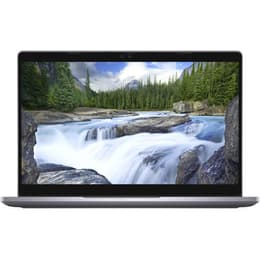
Dell Latitude 5310 13"
See options
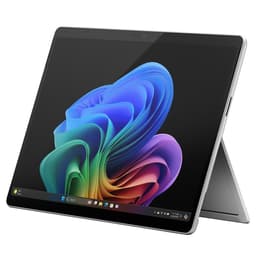
Microsoft Surface Pro 6 12"
See options

The Dell Latitude 5310 13 (released in 2020) and the Microsoft Surface Pro 6 12 (released in 2018) offer distinct approaches to portable computing, both running on the Windows operating system. While the Latitude 5310 is primarily a business-oriented laptop, often available as a 2-in-1 convertible, the Surface Pro 6 is a versatile 2-in-1 tablet-laptop hybrid. The key differentiators lie in their form factors, processor generations, and display technologies, catering to different user preferences for productivity and portability.

Scores

Durability

When considering the long-term usability of these devices, their release timelines and design philosophies play a significant role. The Dell Latitude 5310, being a traditional laptop with optional 2-in-1 functionality, generally offers more straightforward repairability and component upgrade options, contributing to a potentially longer practical lifespan. The Surface Pro 6, as a tablet-first design, prioritizes sleekness and portability, which can sometimes impact the ease of internal repairs.

  • Software Support: The Dell Latitude 5310, released in 2020, benefits from a later release date, providing an extended period of official Windows operating system updates and security patches compared to the 2018 Microsoft Surface Pro 6. Both devices are capable of running Windows 10, with the Latitude 5310 also supporting Windows 11, offering a longer runway for modern software compatibility.
  • Physical Durability: The Latitude 5310 features a magnesium case, known for its robust and business-grade construction, designed to withstand daily professional use. The Surface Pro 6 also utilizes a magnesium unibody design, which feels premium, but its tablet form factor and integrated kickstand might present different durability considerations in varied usage scenarios.
  • Repair and Upgradability: The Dell Latitude 5310 is noted for its accessibility for internal maintenance, often featuring user-serviceable RAM slots (supporting up to 64GB DDR4) and M.2 SSD storage, which can extend its useful life through upgrades. The Surface Pro 6, while offering SSD storage options, is generally less amenable to user upgrades or repairs due to its compact, sealed design.

Release year

2020

2017

Last Os Compatibility

Yes

Yes

Operating system

Windows 11

Windows 11

Performance

The performance capabilities of these devices are largely influenced by their respective processor generations and system architectures, impacting how smoothly they handle everyday tasks and more demanding applications.

  • Processing Power: The Dell Latitude 5310 is equipped with 10th Generation Intel Core processors, providing a noticeable performance advantage for general computing, multitasking, and handling modern applications compared to the 8th Generation Intel Core processors found in the Microsoft Surface Pro 6. Users of the Latitude 5310 report a snappy experience even with multiple tabs and background applications open.
  • Multitasking and Responsiveness: Both devices offer configurations with ample RAM for smooth multitasking, though the Latitude 5310's ability to support up to 64GB of DDR4 RAM provides greater headroom for intensive workloads and future-proofing. The Surface Pro 6, with up to 16GB of LPDDR3 RAM, delivers responsive performance for typical productivity tasks and web browsing.
  • Storage Speed: Both models utilize fast NVMe SSD storage, ensuring quick boot times, rapid application loading, and efficient file transfers. This contributes to an overall fluid user experience on both devices.

Memory (GB)

16 GB

8 GB

Processor

Core i5 - Gen 10 (U)

Core i7 - Gen 8 (U)

Graphic card

Integrated Graphics

Integrated Graphics

Screen quality

The visual experience is a critical aspect of any computing device, and both the Dell Latitude 5310 and Microsoft Surface Pro 6 offer quality displays, albeit with different characteristics tailored to their form factors.

  • Display Technology and Resolution: The Dell Latitude 5310 typically features a 13.3-inch Full HD (1920x1080) IPS display, offering comfortable viewing angles and good color coverage. The Microsoft Surface Pro 6 boasts a 12.3-inch PixelSense display with a higher 2736 x 1824 resolution and a 3:2 aspect ratio, which provides more vertical screen real estate, often preferred for document work and web browsing.
  • Brightness and Color Accuracy: The Latitude 5310's display generally offers around 300 nits of brightness and covers a good portion of the sRGB color gamut, making it suitable for indoor and typical office environments. The Surface Pro 6's PixelSense display is known for its vibrancy and brightness, often exceeding 400 nits and covering a wider color gamut, resulting in rich and accurate colors that are well-suited for creative tasks and media consumption.
  • Touch and Refresh Rate: Both devices offer touch-enabled screens, enhancing interactivity. The Latitude 5310's display typically has a standard 60Hz refresh rate. The Surface Pro 6 also features a 60Hz refresh rate, providing a smooth experience for general use.

Resolution

1920 x 1080

2736 x 1824

Screen type

IPS

IPS

Camera

Audiovisual

In an era of increased virtual communication, the camera and audio capabilities are important for both professional and personal use. The Dell Latitude 5310 and Microsoft Surface Pro 6 offer functional solutions for these needs.

  • Webcam Quality: The Dell Latitude 5310 is equipped with a 720p webcam, which is suitable for standard video conferencing and online meetings, and often includes a privacy shutter for enhanced security. The Microsoft Surface Pro 6 features a 5MP front-facing camera capable of 1080p video, providing a clearer image for video calls, and also includes an 8MP rear-facing camera for occasional photography.
  • Audio Experience: The Latitude 5310 generally provides clear speaker output, making it suitable for media consumption and conference calls. The Surface Pro 6 includes 1.6W stereo speakers with Dolby Audio Premium, offering a good audio experience for its size.
  • Microphone Performance: Both devices incorporate dual microphones designed to capture clear audio during calls and recordings, aiming to reduce background noise for better communication. The Surface Pro 6 also supports Windows Hello facial recognition for secure and convenient login.

Miscellaneous

Beyond core performance and display, various practical elements contribute to the overall user experience, including connectivity, physical design, and additional features.

  • Connectivity Options: The Dell Latitude 5310 offers more modern connectivity, including Wi-Fi 6 (802.11ax) and optional Thunderbolt 3 support via its USB-C port, alongside traditional USB-A, HDMI, and Ethernet ports. The Microsoft Surface Pro 6 features Wi-Fi (802.11ac) and Bluetooth 4.1, with a single USB-A 3.0 port, Mini DisplayPort, and the proprietary Surface Connect port, notably lacking USB-C.
  • Portability and Build: The Latitude 5310, weighing around 1.22 kg for the laptop model, is designed for business portability. The Surface Pro 6 is lighter as a tablet at approximately 0.77 kg, becoming around 1.08 kg with its detachable Type Cover, emphasizing its hybrid nature and ease of carrying. Both devices feature robust builds, with the Latitude 5310 having a magnesium case and the Surface Pro 6 a magnesium unibody.
  • Additional Features: The Latitude 5310 includes a microSD card reader, an audio jack, and optional features like a SmartCard reader and fingerprint reader, catering to business security and expandability. The Surface Pro 6 also has a microSDXC card reader and headphone jack, and its integrated kickstand offers flexible viewing angles.

Weight

7500 oz

1090 oz

Screen size

13

12

User feedback for the Dell Latitude 5310 often highlights its robust build quality, reliable performance for productivity tasks, and the benefit of its upgradable components, contributing to a solid and long-lasting workhorse. Some users have noted occasional fan noise when under heavy load or connected to power. The Microsoft Surface Pro 6 is frequently praised for its exceptional display quality, versatile 2-in-1 design, and portability, making it a favorite for those who value a tablet experience with laptop capabilities. A common criticism, however, is the absence of a USB-C port and the fact that essential accessories like the keyboard and pen are often sold separately.

Users prioritizing a traditional laptop experience with strong performance for business applications, extensive connectivity, and greater internal upgradability may find the Dell Latitude 5310 more aligned with their needs. Its newer processor generation and Wi-Fi 6 support offer a more current technological foundation. Conversely, individuals seeking a highly portable and versatile 2-in-1 device with a superior display for media consumption and creative tasks, who are comfortable with a more limited port selection, might lean towards the Microsoft Surface Pro 6. Both devices, especially when considering quality-assured refurbished options, represent eco-friendly alternatives for informed purchasing decisions, offering reliable performance for their respective strengths.

See all articles

Our recent comparisons