
Lenovo ThinkPad X1 Carbon G9 14" vs Microsoft Surface Pro 6 12"

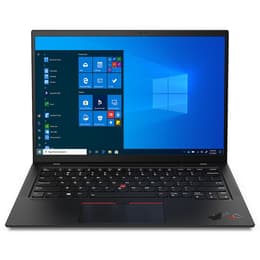
Lenovo ThinkPad X1 Carbon G9 14"
Starting at

Refurbished price:A$612.00

Versus A$3,837.00 new

See options
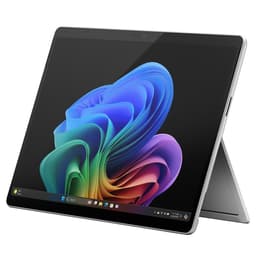
Microsoft Surface Pro 6 12"
See options

The Lenovo ThinkPad X1 Carbon Gen 9, released in 2021, is a traditional clamshell laptop designed for productivity and portability. In contrast, the Microsoft Surface Pro 6, launched in 2018, offers a versatile 2-in-1 form factor, functioning as both a tablet and a laptop with an optional detachable keyboard. Both devices operate on the Windows platform, but their design philosophies and core features cater to different user preferences and workflows.

Scores

Durability

When considering the longevity of these devices, their release dates and design choices play a significant role.

  • Release Timeline and Age: The ThinkPad X1 Carbon Gen 9 was released in 2021, making it a more recent device compared to the Surface Pro 6, which debuted in 2018. This three-year difference means the X1 Carbon Gen 9 benefits from newer component generations and potentially longer official software support from its manufacturer.
  • Software Longevity: Both devices run Windows, ensuring a consistent update path for the operating system. However, the X1 Carbon Gen 9, being newer, is likely to receive major Windows feature updates for a longer period, extending its relevance for modern software.
  • Repairability and Build: The X1 Carbon Gen 9 features a durable construction with a carbon fiber top and magnesium alloy bottom, and it has undergone MIL-STD-810H testing for robustness. While its RAM is soldered, the SSD is user-upgradable. The Surface Pro 6 is built with a magnesium alloy chassis, offering a solid feel, but its internal components, including the SSD and RAM, are not designed for user upgrades.

Release year

2020

2017

Last Os Compatibility

Yes

Yes

Operating system

Windows 11

Windows 11

Performance

The performance capabilities of these two devices reflect their respective release years and intended use cases.

  • Processor Capabilities: The ThinkPad X1 Carbon Gen 9 is equipped with 11th-generation Intel Core processors, which provide a noticeable boost in processing power and efficiency for demanding applications and multitasking. The Surface Pro 6, featuring 8th-generation Intel Core processors, handles everyday tasks smoothly but may show limitations with more intensive workloads or when running multiple applications simultaneously.
  • Memory and Storage: The X1 Carbon Gen 9 offers up to 32GB of LPDDR4x RAM, which is soldered to the motherboard, and supports up to 2TB PCIe SSD storage that is user-upgradable. The Surface Pro 6 comes with up to 16GB of LPDDR3 RAM, also soldered, and up to 1TB of SSD storage, which is not user-upgradable. The faster RAM and upgradable storage in the X1 Carbon Gen 9 contribute to better overall system responsiveness and future-proofing.
  • Battery Behavior: The X1 Carbon Gen 9 includes a 57Wh battery, often delivering over 14 hours of use in web browsing and video streaming scenarios. The Surface Pro 6 has a 45Wh battery, providing up to 13.5 hours of video playback. Users requiring extended periods away from a power source will find the X1 Carbon Gen 9 offers longer operational times.

Memory (GB)

16 GB

8 GB

Processor

Core i5-1135G7

Core i7 - Gen 8 (U)

Graphic card

Integrated Graphics

Integrated Graphics

Screen quality

The visual experience on both devices is distinct, largely due to their form factors and display technologies.

  • Display Technology and Resolution: The ThinkPad X1 Carbon Gen 9 features a 14-inch IPS display, with options ranging from FHD+ (1920x1200) to UHD+ (3840x2400) resolutions, all with a productivity-focused 16:10 aspect ratio. The Surface Pro 6 has a 12.3-inch PixelSense display with a resolution of 2736 x 1824 pixels and a 3:2 aspect ratio, which is well-suited for document viewing and tablet use.
  • Brightness and Clarity: X1 Carbon Gen 9 displays offer brightness levels between 400 and 500 nits, providing clear visibility in various lighting conditions. The Surface Pro 6's PixelSense display is also known for its clarity and vibrant colors, offering a bright viewing experience.
  • Viewing Experience: The larger 14-inch screen of the X1 Carbon Gen 9, combined with its 16:10 aspect ratio, provides more vertical screen real estate, which is beneficial for working with documents and browsing the web. The Surface Pro 6's 12.3-inch display and 3:2 aspect ratio offer a more compact and balanced viewing area, particularly when used in tablet mode or for reading.

Resolution

1920 x 1200

2736 x 1824

Screen type

IPS

IPS

Camera

Audiovisual

The audio and visual components of these devices are tailored to their primary functions, with some notable differences.

  • Camera Capabilities: The ThinkPad X1 Carbon Gen 9 includes a 720p HD webcam, which is standard for video conferencing. The Surface Pro 6 features a more capable camera setup with an 8-megapixel rear camera and a 5-megapixel front-facing camera, offering better image and video quality for both video calls and occasional photography.
  • Microphone and Speaker Quality: The X1 Carbon Gen 9 is equipped with a quad-microphone array and Dolby Voice, designed for clear audio input in professional settings. It also boasts quad speakers with Dolby Atmos, providing a rich audio experience for media consumption. The Surface Pro 6 has standard stereo speakers and microphones suitable for general use.
  • Video Recording: For video recording, the Surface Pro 6's higher resolution cameras offer a clearer image compared to the X1 Carbon Gen 9's 720p webcam.

Miscellaneous

Beyond core performance, several practical elements differentiate these two devices in daily use.

  • Connectivity Options: The ThinkPad X1 Carbon Gen 9 offers modern connectivity with Wi-Fi 6, Bluetooth 5.2, and optional 5G WWAN for mobile internet access. Its port selection includes two Thunderbolt 4 ports, two USB-A 3.2 Gen 1 ports, and an HDMI 2.0 port. The Surface Pro 6 features Wi-Fi 5 (802.11ac) and Bluetooth 4.1. Its ports include one USB 3.0, a Mini DisplayPort, a Surface Connect port, a 3.5mm audio jack, and a microSD card reader, notably lacking a USB-C port.
  • Security and Biometrics: The X1 Carbon Gen 9 incorporates a touch-style fingerprint reader integrated into the power button, a camera privacy shutter, and optional human presence detection for enhanced security. The Surface Pro 6 utilizes Windows Hello for secure facial recognition login.
  • Portability and Form Factor: The X1 Carbon Gen 9 is a lightweight laptop, starting at approximately 1.13 kg (2.49 lbs) and measuring 14.9mm thick. The Surface Pro 6, without its Type Cover, is lighter at around 770g (1.7 lbs) and thinner at 8.5mm, emphasizing its tablet-first design and superior portability as a standalone device.

Weight

7500 oz

1090 oz

Screen size

14

12

The Lenovo ThinkPad X1 Carbon Gen 9 and the Microsoft Surface Pro 6 cater to different user needs, reflecting their distinct designs and release timelines. Users often praise the X1 Carbon Gen 9 for its exceptional keyboard, robust performance for productivity tasks, and impressive battery life, making it a reliable workhorse for professionals. Its comprehensive port selection, including Thunderbolt 4, is also a frequently highlighted advantage. Some users note the basic 720p webcam as a minor drawback for a premium device.

The Surface Pro 6, on the other hand, is lauded for its versatile 2-in-1 form factor, allowing seamless transitions between a tablet and a laptop experience. Its high-resolution PixelSense display and portability are often cited as key strengths. However, a common criticism is the absence of a USB-C port, which limits modern connectivity options, and its older processor generation compared to newer devices. The soldered RAM and non-upgradable storage are also points of consideration for users looking for long-term flexibility.

Users prioritizing a traditional laptop experience with strong performance, extensive connectivity, and a focus on typing comfort and long battery life will find the Lenovo ThinkPad X1 Carbon Gen 9 well-suited to their needs. This device is ideal for professionals who spend significant time typing and multitasking, valuing a larger screen and a full suite of ports. Conversely, users who require the flexibility of a tablet with the capabilities of a full Windows computer, along with touch and pen input, may lean towards the Microsoft Surface Pro 6. Its lightweight design and integrated kickstand make it excellent for on-the-go use, presentations, or creative tasks where a detachable keyboard is an advantage.

Both devices offer distinct advantages, and choosing between them depends on whether a user prioritizes a dedicated laptop experience or a highly adaptable 2-in-1 device. Exploring quality-assured refurbished options for either model can provide a sustainable choice for consumers.


See all articles

Our recent comparisons