
iPhone
Compare models
Differences at a glance
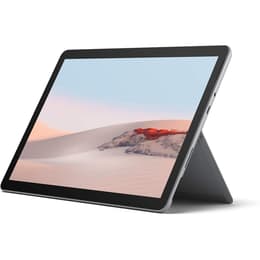
The Microsoft Surface Go 2, released in May 2020, and the Microsoft Surface Pro 6, launched in October 2018, are both versatile 2-in-1 devices designed to bridge the gap between a tablet and a laptop. While both run the Windows operating system and offer a detachable keyboard experience, they cater to different user needs primarily through their size, processing power, and connectivity options. The Surface Go 2 emphasizes portability and modern features, whereas the Surface Pro 6 prioritizes performance and a larger display.
The longevity of these devices is influenced by their release dates, software support, and repairability.
Release year
Last Os Compatibility
Operating system
Performance is a key differentiator, with the Surface Pro 6 offering more robust capabilities for demanding tasks compared to the more modest Surface Go 2.
Graphic card
Both devices feature Microsoft's PixelSense displays, but they differ in size, resolution, and overall visual density.
Resolution
Screen type
Both Surface devices are equipped with capable camera systems and audio features suitable for communication and media.
Beyond core performance and display, several practical elements differentiate these two Surface models.
Weight
Screen size
The Microsoft Surface Go 2 and Surface Pro 6 offer distinct experiences within the 2-in-1 category, each with its own strengths and considerations based on user feedback.
Users often praise the Surface Go 2 for its exceptional portability, making it an ideal companion for on-the-go tasks and travel. Its excellent webcam and microphone are frequently highlighted as beneficial for video conferencing. The inclusion of a USB-C port and Wi-Fi 6 provides modern connectivity. However, common criticisms include the base model's performance limitations for more demanding applications and the fact that essential accessories, like the keyboard, are sold separately. Some users also find the 10.5-inch screen small for extended productivity.
The Surface Pro 6 is generally lauded for its robust performance, particularly for its release era, and its larger, high-resolution display which enhances multitasking and media consumption. Its solid build quality and versatile kickstand are also frequently appreciated. Conversely, a significant point of concern for many users is the absence of a USB-C port, relying instead on older USB-A and mini DisplayPort connections. Its repairability is also a notable drawback, and some users in the current landscape find its performance adequate only for basic tasks.
Users prioritizing extreme portability, modern connectivity, and excellent video call capabilities for basic productivity and content consumption may find the Surface Go 2 well-suited to their needs. It serves well for students or those who require a lightweight device for web browsing, email, and document editing. Conversely, individuals who require more processing power for productivity applications, a larger screen for multitasking, and who are less concerned with the latest connectivity standards might lean towards the Surface Pro 6. Both devices, available as quality-assured refurbished options, present an eco-friendly alternative for consumers seeking capable Windows tablets.