
Dell Latitude 7390 13" vs Microsoft Surface Pro 7 12"

Dell Latitude 7390 13"
See options
Microsoft Surface Pro 7 12"
Starting at

Refurbished price:A$415.00

Versus A$1,680.00 new

See options

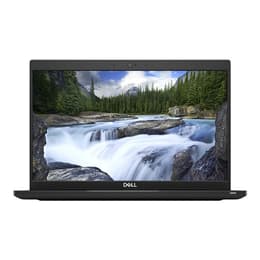
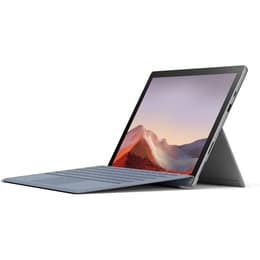
The Dell Latitude 7390 13, released in 2018, and the Microsoft Surface Pro 7 12, launched in 2019, represent distinct approaches to portable computing. The Latitude 7390 is primarily a business-oriented clamshell laptop, while the Surface Pro 7 is a versatile 2-in-1 device designed to function as both a tablet and a laptop. Both run on the Windows operating system, offering a familiar software environment, but their form factors and design philosophies cater to different user preferences and workflows.

Scores

Durability

The expected practical lifespan of these devices is influenced by their release timelines, software support, and physical durability. The Dell Latitude 7390 13, being an older model, may have a shorter remaining period of official operating system updates compared to the newer Microsoft Surface Pro 7 12. However, both devices are built with durability in mind, albeit with different focuses.

  • Software Longevity: The Microsoft Surface Pro 7, released a year later, benefits from a slightly extended period of official Windows operating system updates, potentially offering a longer supported software lifespan. The Dell Latitude 7390, while still capable of running current Windows versions, will likely see its official support end sooner.
  • Physical Durability: The Dell Latitude 7390 is designed with business-grade durability, often featuring MIL-STD-810G certification, indicating resistance to various environmental stresses like shock and vibration. The Surface Pro 7 features a robust magnesium alloy construction and a built-in kickstand, offering a solid feel, though its tablet-first design might present different considerations for long-term physical wear compared to a traditional laptop.
  • Repairability: User reports suggest that the Surface Pro 7 is generally less repairable due to its compact, sealed design, which can impact the ease and cost of component replacement. The Latitude 7390, while not always easily user-serviceable, typically offers more straightforward access for certain repairs or upgrades.

Release year

2017

2019

Last Os Compatibility

Yes

Yes

Operating system

Windows 11

Windows 11

Performance

Performance capabilities differ between these two devices, primarily due to their respective generations of internal components. The Microsoft Surface Pro 7 12 features a newer generation of processors, which generally translates to more efficient and capable handling of tasks, especially those requiring integrated graphics. The Dell Latitude 7390 13, while a capable machine for its time, utilizes an older processor generation.

  • Processing Power: The Surface Pro 7 is equipped with 10th-generation Intel Core processors, providing a noticeable boost in overall speed and efficiency for everyday computing, multitasking, and more demanding applications. The Latitude 7390 uses 8th-generation Intel Core processors, which still handle general office tasks and web browsing smoothly but may show limitations with intensive workloads or modern software compared to the Surface Pro 7.
  • Graphics Performance: The Surface Pro 7, particularly models with Core i5 and i7 processors, often includes Intel Iris Plus Graphics, offering improved performance for visual tasks, light photo editing, and casual gaming compared to the Intel UHD Graphics 620 found in the Latitude 7390.
  • Storage and Memory: Both devices offer various SSD storage options, contributing to fast boot times and application loading. The Surface Pro 7 typically uses LPDDR4x RAM, which is slightly faster and more power-efficient than the DDR4 RAM found in the Latitude 7390, potentially aiding in smoother multitasking.

Memory (GB)

16 GB

8 GB

Processor

Core i7 - Gen 8 (U)

Core i5 - Gen 10 (G4)

Graphic card

Integrated Graphics

Integrated Graphics

Screen quality

The visual experience on these two devices presents distinct characteristics, largely due to differences in display technology, resolution, and aspect ratio. Both offer clear visuals, but cater to different viewing preferences and use cases.

  • Display Technology and Resolution: The Microsoft Surface Pro 7 features a 12.3-inch PixelSense display with a high resolution of 2736 x 1824 pixels, resulting in a sharp and detailed image with a pixel density of 267 PPI. The Dell Latitude 7390 13 offers a 13.3-inch Full HD (1920 x 1080) IPS display, which provides clear visuals suitable for productivity tasks. The higher resolution of the Surface Pro 7 offers more screen real estate and finer detail.
  • Brightness and Color: The Surface Pro 7 generally achieves higher brightness levels, often around 395 nits, making it more comfortable for use in brightly lit environments. It also offers vibrant colors with good sRGB coverage. The Latitude 7390's display typically reaches around 286-307 nits of brightness and also provides good color accuracy, with some models featuring a matte finish that helps reduce glare.
  • Aspect Ratio and Touch: The Surface Pro 7 utilizes a 3:2 aspect ratio, which is often preferred for productivity tasks like document editing and web browsing as it provides more vertical space. It also features 10-point multi-touch input. The Latitude 7390 typically has a 16:9 aspect ratio, common for media consumption, and some configurations include a touchscreen.

Resolution

1920 x 1280

1920 x 1280

Screen type

IPS

LED

Camera

Audiovisual

The camera and audio capabilities of these devices are designed to support different primary use cases, with the Surface Pro 7 emphasizing its tablet-centric versatility, while the Latitude 7390 focuses on business communication.

  • Camera System: The Microsoft Surface Pro 7 is equipped with both an 8-megapixel rear-facing camera capable of 1080p HD video and a 5-megapixel front-facing camera, also with 1080p HD video capabilities, making it well-suited for video calls and occasional photography. The Dell Latitude 7390 typically features an HD (720p) webcam, which is functional for video conferencing but offers less detail than the Surface Pro 7's front camera.
  • Low-Light and Everyday Photography: The Surface Pro 7's higher resolution cameras generally perform better in varied lighting conditions, providing clearer images and video for everyday use and virtual meetings. The Latitude 7390's camera is adequate for standard video calls but may produce softer images, particularly in less-than-ideal lighting.
  • Audio Experience: Both devices include integrated microphones suitable for calls. The Surface Pro 7 features front-facing speakers that provide clear audio for media consumption and video conferencing. The Latitude 7390's speakers are generally considered average, suitable for basic audio playback but not exceptional for immersive media experiences.

Miscellaneous

Beyond core performance and display, several practical elements differentiate the Dell Latitude 7390 13 and the Microsoft Surface Pro 7 12, impacting their usability in various scenarios.

  • Connectivity and Ports: The Dell Latitude 7390 offers a comprehensive selection of ports, including Thunderbolt 3 (via USB-C), multiple USB-A ports, HDMI, and Ethernet, catering to a wide range of peripherals and external displays without adapters. The Surface Pro 7 includes a USB-C port (though not Thunderbolt 3), a USB-A port, a 3.5mm audio jack, and a Surface Connect port for charging and docking, offering modern connectivity but potentially requiring adapters for some legacy peripherals.
  • Form Factor and Handling: The Latitude 7390 is a traditional clamshell laptop, weighing between 1.13 kg and 1.3 kg, providing a stable typing experience. The Surface Pro 7, a tablet-first 2-in-1, is significantly lighter at around 0.77 kg to 0.79 kg (without its Type Cover), making it highly portable for tablet use. Its integrated kickstand allows for flexible positioning, while the Type Cover (sold separately) transforms it into a laptop-like experience.
  • Security Features: The Latitude 7390 often includes advanced business security features such as a SmartCard reader, fingerprint reader, and an IR camera for Windows Hello facial recognition, along with MIL-STD-810G certification for physical robustness. The Surface Pro 7 also supports Windows Hello facial recognition via its front-facing camera and offers a secure boot process.

Weight

1442 oz

775 oz

Screen size

13

12

The Dell Latitude 7390 13 and the Microsoft Surface Pro 7 12 cater to different user needs, each with distinct strengths. Users often praise the Latitude 7390 for its robust build quality, extensive port selection, and reliable performance for business and productivity tasks. Its MIL-STD-810G certification and comprehensive security features are frequently highlighted as benefits for professionals requiring a durable and secure traditional laptop experience. Some common criticisms include its somewhat dated design and average camera quality compared to newer devices.

The Surface Pro 7, on the other hand, is frequently lauded for its premium, lightweight design, high-resolution PixelSense display, and versatility as a 2-in-1 device. Its portability and tablet functionality, combined with a comfortable Type Cover keyboard, make it a popular choice for those who value flexibility. However, users sometimes express concerns about its battery life in real-world usage and the fact that its USB-C port does not support Thunderbolt 3, limiting some high-speed peripheral options. Its repairability is also noted as a challenge.

Users prioritizing a traditional, durable laptop with a wide array of connectivity options for a fixed workspace or frequent travel might find the Dell Latitude 7390 13 well-suited to their needs. Conversely, individuals seeking a highly portable, versatile device with a superior display for creative tasks, note-taking, or a blend of tablet and laptop use may lean towards the Microsoft Surface Pro 7 12. Both devices offer a quality-assured refurbished option, providing an eco-friendly alternative for consumers looking to make an informed and sustainable choice.

See all articles

Our recent comparisons