
Compare models
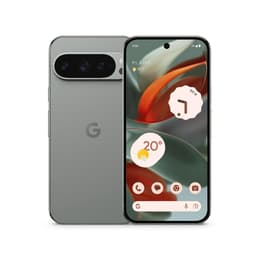
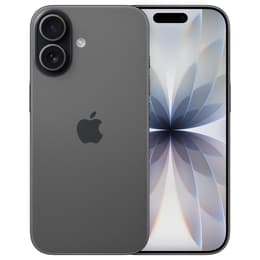
Google Pixel 9 Pro vs iPhone 17
- 1-year warranty
- Free standard shipping
- Free 30-day returns
Differences at a glance
The Google Pixel 9 Pro (2024) and the Apple iPhone 17 (2025) represent two distinct approaches to flagship smartphone engineering. While the Google Pixel 9 Pro runs on the Android operating system with an emphasis on integrated artificial intelligence features, the iPhone 17 operates on Apple's iOS platform, focusing on ecosystem integration and hardware efficiency. Both devices cater to users seeking high-end mobile experiences, differing primarily in software philosophy and ecosystem preference.
Available Models
Colour
Storage
Scores
Durability
When evaluating the longevity and construction quality of these two models, both manufacturers provide robust multi-year support plans designed to keep the devices secure and functional over extended periods of time.
- Software longevity: The Google Pixel 9 Pro benefits from an extensive multi-year update commitment covering operating systems and security patches. Similarly, the iPhone 17 receives long-term iOS updates, supported by hardware optimization that helps maintain system responsiveness over several years.
- Repairability and build: Both handsets feature durable glass and metal configurations with high-level dust and water resistance ratings. Authorized repair pathways and readily available service options for both brands make maintenance straightforward for users looking to maximize their device's operational lifespan.
Release year
2024
2025
Operating system
Android
iOS
Foldable
No
No
Performance
Day-to-day usability relies heavily on efficient hardware and software coordination, ensuring smooth transitions across various demanding applications and background tasks.
- Multitasking and memory: The Google Pixel 9 Pro handles intensive multitasking smoothly, supported by a large pool of system memory. The iPhone 17 manages background processes efficiently through optimized hardware integration, ensuring stable performance during heavy workloads.
- Storage and battery behavior: Both devices offer generous internal storage tiers starting from baseline capacities well-suited for media storage. Battery endurance easily spans a full day of standard use across both models, with fast-charging capabilities available through compatible adapters.
Screen quality
Visual output quality is a primary highlight for both flagships, utilizing advanced display technologies to provide sharp and responsive viewing experiences.
- Display technology and clarity: Both smartphones feature high-resolution organic light-emitting diode displays that deliver deep black levels, vibrant color reproduction, and sharp text rendering suitable for reading and media viewing.
- Outdoor visibility and smoothness: High peak brightness capabilities ensure that screens remain legible under direct sunlight, while adaptive refresh rate technology dynamically adjusts smoothness to balance visual fluidity with battery conservation.
Audiovisual
Media capture and multimedia consumption capabilities are well-developed on both handsets, offering versatile tools for casual photography and video recording.
- Camera systems: The Google Pixel 9 Pro features a versatile multi-lens rear camera setup including a dedicated telephoto zoom lens. The iPhone 17 employs a refined dual-lens array capable of capturing crisp everyday photos and high-resolution video.
- Audio and video output: Built-in stereo speakers deliver balanced sound output for hands-free calls and media playback, complemented by clear microphone arrays designed to isolate background noise during voice recordings.
Miscellaneous
Physical handling and connectivity standards dictate how comfortably these devices integrate into daily travel and modern communication environments.
- Connectivity and ports: Both models support modern fifth-generation cellular networks, fast wireless standards, and universal charging ports via standard physical connections.
- Dimensions and handling: Each device features a compact form factor with balanced weight distribution, making them comfortable to hold for extended periods during reading or navigation tasks. Choosing a quality-assured refurbished option provides a sustainable choice that reduces electronic waste without compromising on these hardware standards.
Weight
199 oz
177 oz
Screen size (in)
6.3
6.3
Network
5G
5G
SIM card
Physical SIM + eSIM
Physical SIM + eSIM
Carrier compatibility
Unlocked
Unlocked
What the community thinks
User community discussions indicate that individuals gravitate toward the Google Pixel 9 Pro for its advanced automated photo editing tools, extensive artificial intelligence integration, and flexible multitasking capabilities. Conversely, users frequently praise the iPhone 17 for its seamless ecosystem connectivity, long-term resale value retention, and polished application ecosystem performance. Common criticisms for both models generally center on baseline storage configurations and the gradual increase in physical device dimensions over previous generations.
Users prioritizing deep customization, flexible photo management, and assistant features will find the Google Pixel 9 Pro well-suited to their daily routines. Meanwhile, users embedded in the Apple ecosystem who value streamlined device synchronization and consistent software support will lean toward the iPhone 17. Opting for a quality-assured refurbished option serves as an eco-friendly alternative that lets consumers access these premium technologies sustainably. Ultimately, the choice depends on personal software preferences and workflow integration requirements rather than a definitive performance gap.