Compare models
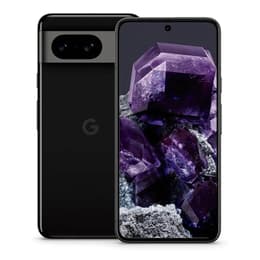
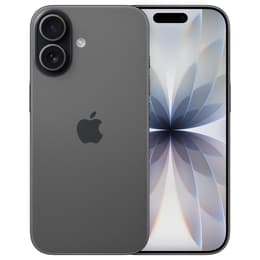
Google Pixel 8 vs iPhone 17
- 1-year warranty
- Free standard shipping
- Free 30-day returns
Differences at a glance
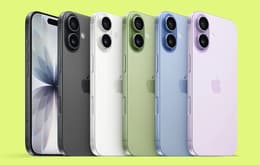
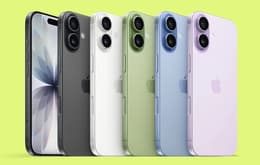
The Google Pixel 8 (2023) and the iPhone 17 (2025) represent two distinct approaches to the modern smartphone, bridging different release years and operating systems. While the Google Pixel 8 runs on Android and emphasizes artificial intelligence features, the iPhone 17 runs on iOS and focuses on hardware efficiency and ecosystem integration. These devices differ notably in their release timelines, operating environments, and everyday interaction models.
Available Models
Colour
Storage
Scores
Durability
When evaluating the long-term viability of these devices, differences in release timing and software support frameworks become apparent.
- Software longevity: The Google Pixel 8 benefits from an extended support commitment spanning multiple years of operating system upgrades, while the iPhone 17 begins its lifecycle with a fresh generation of Apple software support.
Hardware durability: Both models incorporate modern protective glass and robust frame materials designed to withstand routine daily wear, though newer manufacturing techniques on the iPhone 17 introduce enhanced scratch resistance.
Practical lifespan: Users can expect extended multi-year utility from either model, with software optimization keeping both options responsive over time.
Release year
2023
2025
Compatible with latest Update
Yes
Yes
Operating system
Android
iOS
Foldable
No
No
Performance
Handling daily tasks, application loading, and multitasking involves different hardware foundations across both ecosystems.
- System responsiveness: Both devices launch applications swiftly and handle routine web browsing or media streaming smoothly, though the newer generation iPhone 17 delivers additional speed for intensive tasks.
Multitasking capacity: Generous memory allocations on both models ensure that background apps remain active without sudden reloads, facilitating effortless switching between utilities.
Storage and power management: Base storage configurations start at generous capacities, and battery behavior comfortably supports a full day of standard mixed usage under normal conditions.
Screen quality
Display characteristics shape everyday media consumption, reading comfort, and outdoor visibility.
- Display technology: Both smartphones utilize vibrant OLED display panels that deliver deep contrast levels and rich color reproduction for photos and videos.
Refresh rate and smoothness: High refresh rate support ensures fluid scrolling through web pages and smooth animations during navigation.
Outdoor brightness: High peak brightness capabilities allow both screens to remain legible even under direct sunlight, while compact form factors ensure comfortable one-handed handling.
Audiovisual
Capturing photos, recording video, and handling audio communication rely on distinct sensor configurations and processing pipelines.
- Rear camera versatility: Both models feature capable multi-lens setups that excel in everyday lighting, utilizing advanced computational processing to balance highlights and shadows.
Video recording: Video output remains stable and sharp across various resolutions, supported by efficient stabilization mechanisms.
Audio and calls: Integrated microphone arrays and stereo speaker systems provide clear voice transmission during calls and immersive sound output for casual media playback.
Front camera
10.5 megapixels
18 megapixels
Miscellaneous
Practical daily usability is further defined by connectivity standards, physical dimensions, and security sensors.
- Connectivity: Both models support modern high-speed cellular networks and advanced wireless communication protocols for reliable data access.
Biometrics and ports: Secure authentication relies on facial recognition or in-display fingerprint sensors, while universal USB-C ports handle wired data transfer and charging.
Physical build: Dimensions are engineered to fit standard pockets securely, balancing screen workspace against overall weight and ergonomic comfort.
Weight
187 oz
177 oz
Screen size (in)
6.2
6.3
Network
5G
5G
SIM card
Physical SIM + eSIM
Physical SIM + eSIM
Carrier compatibility
Unlocked
Unlocked
Connector
USB-C
USB-C
What the community thinks
User feedback on community forums highlights distinct preferences for each ecosystem. Google Pixel 8 users frequently praise the clean software interface, helpful automated assistance features, and dependable camera performance. Conversely, iPhone 17 users emphasize the smooth fluidity of the interface, reliable battery endurance, and seamless integration with other Apple devices. Users prioritizing deep Android customization and intelligent software tools may prefer the Pixel 8, while those leaning toward iOS consistency and long-term hardware refinement often choose the iPhone 17. For consumers seeking a sustainable choice, opting for a quality-assured refurbished option provides a practical way to acquire these technologies while reducing environmental impact.