Compare models

Galaxy Z Fold7 vs iPhone 17

  • 1-year warranty
  • Free standard shipping
  • Free 30-day returns
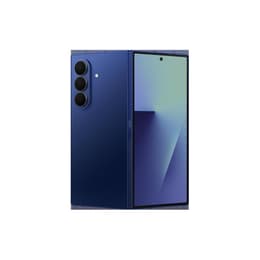
Galaxy Z Fold7
Starting at

Refurbished price:A$1,300.00

Versus A$2,499.00 new

See options
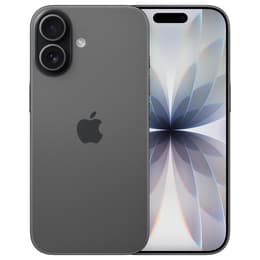
iPhone 17
Starting at

Refurbished price:A$1,503.05

Versus A$1,549.00 new

See options

Differences at a glance

The Samsung Galaxy Z Fold7 (2025) and the iPhone 17 (2025) represent two distinct approaches to modern mobile technology, catering to very different user preferences. While the Galaxy Z Fold7 is an innovative foldable smartphone that transforms from a standard pocket-sized device into a tablet-like screen, the iPhone 17 is a traditional slate smartphone focused on a refined, standard form factor. Running on Android and iOS respectively, these two flagship devices showcase contrasting visions for everyday computing, productivity, and personal communication.

Available Models

Colour

Storage (GB)

Scores

Durability

Both flagship devices feature modern build materials and extended manufacturer support timelines, though their physical construction types introduce unique structural considerations for long-term usage.

  • Software longevity and updates: The Galaxy Z Fold7 provides extended operating system and security patch support spanning multiple years, aligning with modern long-term usage expectations. The iPhone 17 benefits from Apple's traditionally consistent update cycle, ensuring years of ongoing software feature additions and security patches.
  • Repairability and physical endurance: Traditional slate devices like the iPhone 17 generally present simpler repair pathways due to standard glass and aluminum slab construction. Foldable devices like the Galaxy Z Fold7 incorporate complex hinge mechanisms and flexible internal displays that require specialized care over extended ownership periods.

Release year

2025

2025

Operating system

Android

iOS

Foldable

Yes

No

Performance

Equipped with contemporary internal hardware, both models handle intensive daily workflows, multitasking sessions, and demanding application suites with high system fluidity.

  • Multitasking and memory capacity: The Galaxy Z Fold7 utilizes generous random access memory configurations to support seamless switching between multiple active applications simultaneously across its dual screens. The iPhone 17 manages everyday tasks and background processes efficiently through optimized system resources and tightly integrated software architecture.
  • Battery behavior and daily stamina: Power consumption varies based on screen usage patterns, with the folding device drawing extra power when utilizing the larger internal display for extended periods. Both models easily navigate a standard day of moderate mixed usage before requiring a recharge.

Screen quality

Display technology forms the primary differentiator between these two models, offering entirely contrasting visual workspaces for media consumption and daily navigation.

  • Display architecture and versatility: The Galaxy Z Fold7 features a tall outer cover screen alongside an expansive internal folding display that provides tablet-level workspace for reading, viewing documents, and split-screen multitasking. The iPhone 17 employs a single, vibrant high-resolution OLED screen featuring smooth refresh rates and comfortable proportions for one-handed daily use.
  • Outdoor visibility and brightness: Both devices incorporate bright panel technology equipped to maintain clear text legibility and rich color contrast under direct sunlight or bright ambient lighting conditions.

Audiovisual

Photography and media recording capabilities on both devices leverage advanced sensor hardware and automated image processing to capture detailed photos and stable videos in varied lighting environments.

  • Primary imaging systems: The Galaxy Z Fold7 features a versatile multi-lens rear array including high-resolution main sensors and telephoto zoom capability for capturing distant subjects clearly. The iPhone 17 utilizes a refined dual-lens setup that excels at balanced everyday snapshots, accurate skin tones, and reliable low-light performance.
  • Video recording and audio output: Both models support high-definition video capture with advanced stabilization features. Stereo speaker configurations on each device deliver clear, balanced audio output suitable for hands-free calls and casual media viewing without external speakers.

Miscellaneous

Practical daily usability elements such as physical dimensions, connectivity standards, and biometric authentication methods shape how each device fits into travel and professional routines.

  • Physical dimensions and handling: The iPhone 17 maintains a lightweight, slim profile that slips easily into pockets and small bags for comfortable single-handed operation. The Galaxy Z Fold7 offers a relatively slim profile for a foldable device, packing a much larger workspace into a dual-screen chassis that adds noticeable weight compared to traditional slates.
  • Connectivity and security: Both models support current-generation cellular networks, rapid wireless communication standards, and secure biometric authentication options including facial recognition or fingerprint scanning for quick device unlocking. Choosing a quality-assured refurbished option through sustainable platforms like Back Market offers an eco-friendly alternative that extends device life cycles.

Weight

215 oz

177 oz

Screen size (in)

8.0

6.3

Network

5G

5G

SIM card

Dual Physical SIM + eSIM

Physical SIM + eSIM

Carrier compatibility

Unlocked

Unlocked

What the community thinks

User discussions and community feedback indicate that buyers appreciate the Galaxy Z Fold7 for its transformative large screen, which redefines mobile productivity and multitasking on the go. At the same time, users frequently note that the folding mechanism adds weight and requires careful handling compared to traditional form factors. Conversely, the iPhone 17 receives consistent praise for its reliable everyday performance, ergonomic handling, and straightforward operating system, though some users desire more expansive screen real estate for intensive document editing.

Users prioritizing maximum screen space for productivity, split-screen multitasking, and media viewing will find the Galaxy Z Fold7 well-suited to their workflow. Meanwhile, users prioritizing a lightweight, pocket-friendly device with straightforward ergonomics and long-term software reliability may lean toward the iPhone 17. Exploring a quality-assured refurbished option on Back Market provides an eco-friendly route to acquiring either model while supporting sustainable technology choices. Ultimately, the right choice depends on whether a traditional smartphone footprint or an expandable folding workspace better complements daily routines.

See all articles