
Compare models
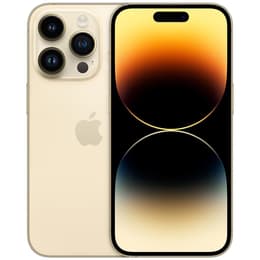
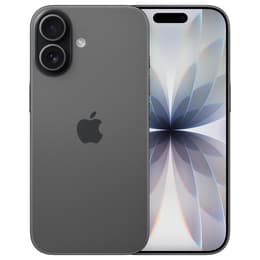
iPhone 14 Pro vs iPhone 17
- 1-year warranty
- Free standard shipping
- Free 30-day returns
Differences at a glance
The iPhone 14 Pro (2022) and the iPhone 17 (2025) represent different generations of Apple's smartphone lineup, contrasting a former high-end model with a newer standard release. While both run on iOS and feature modern interactive display cutouts, they differ notably in release timing, screen dimensions, and internal hardware capabilities.
Available Models
Colour
Storage (GB)
Scores
Durability
When evaluating structural longevity and software support, both devices provide extended timelines for everyday users, though their release years introduce distinct differences in total lifespan expectations.
- Release timeline and age: The iPhone 14 Pro launched in 2022, whereas the iPhone 17 arrived in 2025, giving the newer model a three-year advantage in hardware age.
- Software longevity: Apple typically supports iPhones with operating system updates for roughly five to six years from release, meaning the iPhone 17 will receive support for several years beyond its older counterpart.
- Repairability and durability: Both models incorporate high-strength glass and solid frame materials, achieving similar ratings for water resistance and general durability under normal conditions.
Release year
2022
2025
Compatible with latest Update
Yes
Yes
Operating system
iOS
iOS
Foldable
No
No
Performance
System responsiveness and everyday capabilities vary based on the generation of internal hardware powering each smartphone, influencing how smoothly demanding applications run.
- Multitasking and app loading: The iPhone 17 benefits from a newer processor generation, handling resource-intensive games and switching between multiple background tasks with slightly faster execution speeds than the iPhone 14 Pro.
- Memory and storage capacity: The iPhone 17 starts with a larger baseline storage capacity and increased random access memory, allowing for smoother handling of heavy multitasking compared to baseline configurations of the iPhone 14 Pro.
- Battery behavior: The iPhone 17 features a larger internal battery capacity and power-efficient processing, translating into sustained battery endurance through a full day of mixed usage.
Screen quality
Both devices feature bright organic light-emitting diode displays with high pixel density, ensuring sharp text and vivid visuals, though physical dimensions and refresh rate technologies differ.
- Display size and panel technology: The iPhone 17 offers a slightly larger 6.3-inch viewing area compared to the 6.1-inch screen on the iPhone 14 Pro, while both deliver deep contrast and vibrant colors.
- Outdoor brightness: The iPhone 17 reaches a higher peak outdoor brightness level, improving legibility under direct sunlight.
- Motion smoothness: Both models support adaptive refresh rates up to 120Hz for fluid scrolling, bringing high-end motion smoothness to both the older professional tier and the newer standard tier.
Audiovisual
Photographic and video capabilities differ significantly in lens configuration and sensor resolutions, tailoring each device to different media capture preferences.
- Rear camera setup: The iPhone 14 Pro includes a triple-camera system featuring a dedicated optical zoom lens for distant subjects, while the iPhone 17 utilizes a dual-camera system with high-resolution sensors for wide and ultra-wide shots.
- Front-facing capabilities: The iPhone 17 incorporates an upgraded front-facing camera system with enhanced resolution and automated framing features for clearer video calls.
- Media consumption: Both devices deliver clear stereo sound and spatial audio playback, providing an immersive experience for watching videos and listening to audio.
Front camera
12 megapixels
18 megapixels
Miscellaneous
Practical daily usability elements, including physical dimensions, physical ports, and connectivity standards, vary between the two device generations.
- Connectivity standards: The iPhone 17 supports newer wireless communication standards such as advanced Wi-Fi and updated Bluetooth versions for faster local connections.
- Port type and charging: The iPhone 14 Pro relies on a proprietary cable port, whereas the iPhone 17 adopts the universal USB-C standard for charging and data transfer.
- Physical handling: Weighing similarly, both smartphones offer comfortable everyday handling, though minor variations in thickness and bezel dimensions alter their in-hand feel.
Weight
206 oz
177 oz
Screen size (in)
6,1
6.3
Network
5G
5G
SIM card
Physical SIM + eSIM
Physical SIM + eSIM
Carrier compatibility
Unlocked
Unlocked
Connector
Lightning
USB-C
What the community thinks
Users prioritizing a dedicated telephoto lens for optical zoom and a stainless steel build often gravitate toward the iPhone 14 Pro, whereas those seeking a larger display, universal USB-C connectivity, and extended software support frequently prefer the newer iPhone 17. Choosing a quality-assured refurbished option provides a sustainable, eco-friendly way to acquire either model without compromising on performance or reliability. Ultimately, the right choice depends on whether long-term software updates and modern connectivity or specialized camera zoom capabilities align best with daily needs.