
Compare models

Galaxy Z Fold5 vs iPhone Air

  • 1-year warranty
  • Free standard shipping
  • Free 30-day returns
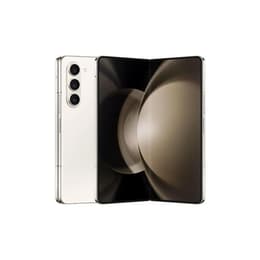
Galaxy Z Fold5
Starting at

Refurbished price:A$789.00

Versus A$1,986.00 new

See options
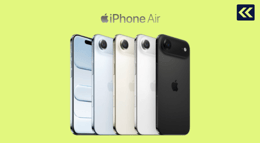
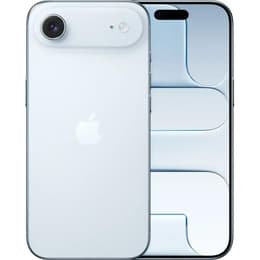
iPhone Air
Starting at

Refurbished price:A$1,061.00

Versus A$1,899.00 new

See options

Differences at a glance

The Samsung Galaxy Z Fold5 (2023) and the Apple iPhone Air (2025) represent two fundamentally different approaches to mobile device engineering. While the Galaxy Z Fold5 provides a dual-screen foldable tablet experience running on the Android operating system, the iPhone Air focuses on an ultra-slim slate form factor powered by iOS. These distinct models highlight contrasting design philosophies, targeting users looking for unique physical formats rather than traditional smartphone designs.

Available Models

Colour

Storage (GB)

Scores

Durability

When examining longevity and durability, both devices offer robust build quality but differ in their mechanical design and software support timelines.

  • Software Support: The iPhone Air benefits from a more recent release year, aligning with Apple's extended update lifecycle, whereas the Galaxy Z Fold5 has a longer tenure in the market but continues to receive regular system updates.
  • Hardware Maintenance: The iPhone Air utilizes a rigid titanium frame and fixed slate structure with fewer moving parts, while the Galaxy Z Fold5 incorporates a complex folding hinge mechanism that requires careful handling over years of continuous folding cycles.
  • Expected Lifespan: Both models provide durable exterior protection materials like reinforced glass, though traditional slate designs generally present fewer mechanical wear points over extended multi-year use.

Release year

2023

2025

Compatible with latest Update

Yes

Yes

Operating system

Android

iOS

Foldable

Yes

No

Performance

Both smartphones handle intensive daily computing tasks smoothly, utilizing ample memory configurations and current-generation processing architecture to manage multitasking and demanding software.

  • System Responsiveness: App switching, loading sequences, and heavy multitasking operate with high fluid speeds on both platforms, supported by generous baseline random-access memory allocations.
  • Battery Behavior: The iPhone Air manages energy efficiently within its slim chassis for standard daily routines, while the Galaxy Z Fold5 balances power across two distinct screens, which can lead to varied charging frequencies depending on how often the inner display is utilized.
  • Storage Configurations: Both devices offer multiple high-capacity internal storage tiers to accommodate large media libraries, offline files, and extensive application data without performance degradation.

Screen quality

Display technology forms a primary differentiator between these two devices, contrasting a versatile expanding folding panel with a high-brightness single-slate surface.

  • Display Technology: The Galaxy Z Fold5 features a foldable inner organic light-emitting diode screen alongside an outer cover display for closed usage, whereas the iPhone Air employs a single high-clarity organic light-emitting diode panel with adaptive refresh rates.
  • Brightness and Clarity: Both screens deliver sharp resolutions and deep contrast levels, with high peak brightness capabilities that maintain readability under direct outdoor sunlight.
  • Viewing Experience: The Galaxy Z Fold5 opens into a tablet-sized canvas suited for split-screen viewing, while the iPhone Air provides a wide, continuous single-pane viewing area optimized for traditional media consumption and reading.

Resolution

1812 x 2176

2736x1260

Screen type

Foldable Dynamic AMOLED 2X

Super Retina XDR

Audiovisual

Imaging hardware and multimedia output vary significantly based on the internal space constraints and engineering goals of each device architecture.

  • Camera Systems: The Galaxy Z Fold5 equips a versatile multi-lens rear array including ultra-wide and zoom capabilities, whereas the iPhone Air streamlines photography through a single high-resolution rear sensor paired with advanced image processing.
  • Video and Low-Light: Both models capture stable, clear video footage and handle challenging low-light environments effectively through computational photography enhancements.
  • Audio Output: Media consumption and speaker clarity differ between the multi-speaker setup on the foldable device and the streamlined audio configuration on the ultra-thin slate model.

Main camera

50 megapixels

48 megapixels

Front camera

4 megapixels

18 megapixels

Miscellaneous

Practical daily usability elements such as physical dimensions, connectivity standards, and biometric security shape the overall handling experience.

  • Handling and Portability: The iPhone Air focuses on an exceptionally thin and lightweight profile that slips easily into pockets, while the Galaxy Z Fold5 is thicker and heavier when folded due to its dual-screen hardware construction.
  • Connectivity: Both models support modern fifth-generation cellular networks, rapid wireless protocols, and universal USB-C physical connection ports for data transfer.
  • Security Sensors: Biometric authentication is handled via facial recognition on the Apple model and a convenient side-mounted fingerprint scanner integrated into the power button on the Samsung device.

Weight

253 oz

165 oz

Screen size (in)

7.6

6.5

Network

5G

5G

SIM card

Physical SIM + eSIM

eSIM

Carrier compatibility

Unlocked

Unlocked

What the community thinks

User feedback across community platforms indicates that people appreciate the Galaxy Z Fold5 for its expansive multitasking workspace and versatile dual-screen layout, though some users note the heavier weight and visible crease on the inner display. Conversely, owners of the iPhone Air frequently praise its remarkably thin profile and lightweight handling, while noting trade-offs such as a single rear camera lens and a less robust battery endurance compared to bulkier alternatives. For those exploring a quality-assured refurbished option, Back Market provides sustainable choices for both devices.

Users prioritizing maximum screen real estate and multi-window multitasking will find the Galaxy Z Fold5 well-suited to their workflow, while users prioritizing physical lightness, a slim pocket footprint, and a traditional single-screen layout may lean toward the iPhone Air. Evaluating these core format differences helps clarify which device aligns with individual daily habits.