Compare models
Galaxy Z Fold4 vs iPhone 17
- 1-year warranty
- Free standard shipping
- Free 30-day returns
Differences at a glance
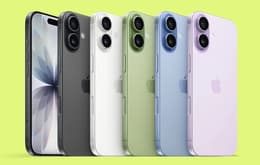
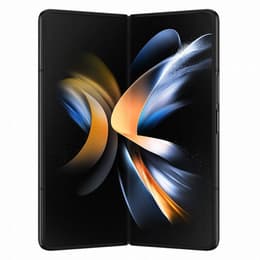
The Samsung Galaxy Z Fold4 (2022) and the Apple iPhone 17 (2025) represent two distinct approaches to mobile device engineering, contrasting a foldable multitasking tablet-phone format with a conventional slate smartphone design. While the Galaxy Z Fold4 relies on dual screens and Android versatility, the iPhone 17 focuses on refined ergonomics, iOS integration, and a traditional single-screen layout. These core hardware differences dictate entirely unique user experiences across productivity, media consumption, and daily carry.
Available Models
Colour
Storage
Scores
Durability
Evaluating the longevity and durability of these devices reveals distinct differences rooted in their release timelines and physical designs.
- Release timeline and support: The iPhone 17 benefits from a much later launch year, securing a longer remaining window of software updates and security patches compared to the older Galaxy Z Fold4.
- Physical durability: The iPhone 17 features a traditional slate construction with advanced glass and aluminum protection, whereas the Galaxy Z Fold4 utilizes a complex mechanical hinge and a flexible inner screen that requires careful handling over years of use.
- Repairability and lifespan: Traditional slate phones like the iPhone generally present simpler maintenance pathways, while foldable devices involve specialized screen components that can influence long-term structural upkeep.
Release year
2022
2025
Compatible with latest Update
Yes
Yes
Operating system
Android
iOS
Foldable
Yes
No
Performance
Both devices deliver fast, responsive daily operation, though their hardware configurations handle heavy workloads through different approaches.
- Multitasking and memory: The Galaxy Z Fold4 pairs abundant memory with split-screen software features designed to run multiple demanding applications side by side, while the iPhone 17 relies on tightly optimized system memory to switch smoothly between tasks.
- System responsiveness: Current-generation processors on the iPhone 17 handle intense 3D gaming and swift app launching with high efficiency, matching the capable multitasking execution of the Galaxy Z Fold4's processor.
- Battery behavior: The iPhone 17's single display configuration typically yields reliable battery endurance through a full day of standard use, whereas the Galaxy Z Fold4's larger inner screen demands more power, leading to more frequent charging sessions during heavy tablet-mode usage.
Screen quality
Screen architecture is the primary separator between these models, offering vastly different visual canvases for media and daily viewing.
- Display technology: The Galaxy Z Fold4 features a foldable inner screen that expands into a tablet-sized workspace alongside a standard outer cover display, while the iPhone 17 utilizes a single, high-clarity OLED display equipped with a smooth high refresh rate.
- Brightness and outdoor visibility: The iPhone 17 achieves exceptionally high peak outdoor brightness, ensuring clear legibility under direct sunlight, while the Galaxy Z Fold4 provides vibrant color reproduction and deep contrast across both of its panels.
- Viewing experience: Users seeking an expansive canvas for reading documents or watching videos will find the Fold4's unfolded tablet screen uniquely immersive, whereas those preferring traditional one-handed usage will find the iPhone 17's balanced dimensions more natural.
Audiovisual
Imaging capabilities on both smartphones cater to versatile photography and clear multimedia recording.
- Camera systems: The Galaxy Z Fold4 includes a flexible triple-lens rear setup featuring a dedicated telephoto zoom lens, whereas the iPhone 17 employs a dual-lens configuration with high-resolution main and ultra-wide sensors.
- Everyday and low-light capture: Both devices capture sharp, balanced photos in diverse lighting conditions, utilizing computational processing to retain detail in challenging environments.
- Video and audio output: The iPhone 17 delivers refined stabilization and clear stereo sound reproduction for video recording and media playback, matching the robust multimedia and conferencing capabilities found on the Galaxy Z Fold4.
Front camera
4 megapixels
18 megapixels
Miscellaneous
Practical daily usability elements shape how each device fits into travel, work, and communication routines.
- Connectivity standards: Both smartphones support modern 5G cellular networks, advanced Wi-Fi standards, and Bluetooth connectivity for seamless accessory pairing.
- Port types and biometrics: The iPhone 17 uses a reversible USB-C port alongside facial recognition security, while the Galaxy Z Fold4 relies on a USB-C connection paired with a side-mounted fingerprint sensor.
- Handling and physical footprint: The iPhone 17 provides a lightweight, pocket-friendly slate form factor, whereas the Galaxy Z Fold4 offers a heavier, thicker folded profile that transforms into a much wider device when opened.
Weight
282 oz
177 oz
Screen size (in)
7.6
6.3
Network
5G
5G
SIM card
Physical SIM + eSIM
Physical SIM + eSIM
Carrier compatibility
Unlocked
Unlocked
What the community thinks
User feedback from online communities highlights distinct preferences for each device based on lifestyle and workflow needs. Owners of the Galaxy Z Fold4 frequently praise its innovative multitasking environment and expansive inner screen, which transforms productivity on the go, though some note that its heavier weight and mechanical hinge require extra care. Conversely, users of the iPhone 17 heavily praise its reliable battery longevity, bright display clarity, and comfortable single-handed ergonomics, while occasional discussions point out the absence of a folding display or dedicated optical zoom.
Users prioritizing maximum screen estate for multitasking, document editing, and media viewing will find the Galaxy Z Fold4 well-suited to their workflow. Meanwhile, users prioritizing a lightweight traditional form factor, extended software support, and streamlined daily portability will lean toward the iPhone 17. For consumers looking to explore these technologies sustainably, a quality-assured refurbished option provides an eco-friendly alternative that matches individual preferences without compromise.