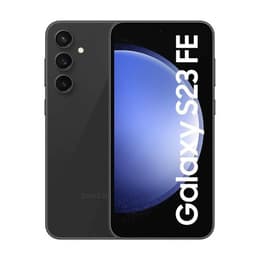
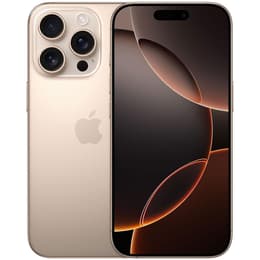

Galaxy S23 FE vs iPhone 16 Pro

Galaxy S23 FE
Galaxy S23 FE
Starting at

Refurbished price:A$380.00

Versus A$1,172.00 new

See options
iPhone 16 Pro
iPhone 16 Pro
Starting at

Refurbished price:A$1,134.00

Versus A$1,999.00 new

See options

Ratings

The Samsung Galaxy S23 FE, released in late 2023, and the iPhone 16 Pro, launched in late 2024, represent distinct approaches to advanced smartphone technology. While the Galaxy S23 FE offers a balanced experience within the Android ecosystem, the iPhone 16 Pro showcases Apple's latest innovations in performance and camera capabilities. Both devices operate on their respective current-generation operating systems, Android 13 for the S23 FE and iOS 18 for the iPhone 16 Pro, providing users with different software experiences and ecosystems.

Scores

Durability

Evaluating the long-term usability of these devices involves considering their release timelines, software support, and physical resilience.

  • Release Timeline: The Galaxy S23 FE was released globally in October 2023, making it a slightly older model compared to the iPhone 16 Pro, which launched in September 2024.
  • Software Longevity: The iPhone 16 Pro, being a newer device, is expected to receive software updates for a longer duration than the Galaxy S23 FE, typically offering several more years of iOS support. Samsung generally provides a good number of Android updates for its devices, but Apple's support cycles are often longer for its flagship models.
  • Durability Features: The Galaxy S23 FE features Gorilla Glass 5 on both its front and back, along with an IP68 rating for dust and water resistance. The iPhone 16 Pro incorporates a titanium design and the latest generation Ceramic Shield on its front, also boasting an IP68 rating for water and dust protection. While the Ceramic Shield is designed for enhanced drop resistance, some reports suggest the iPhone 16 Pro's thinner bezels might make it more susceptible to damage from side impacts.

Release year

2023

2024

Compatible with latest Update

Yes

Yes

Foldable

No

No

Performance

Both smartphones deliver robust performance for daily tasks, but they differ in their underlying hardware and overall responsiveness.

  • Processing Power: The Galaxy S23 FE is powered by a capable processor, either the Qualcomm Snapdragon 8 Gen 1 or the Samsung Exynos 2200, depending on the region. This hardware handles demanding applications and multitasking smoothly. The iPhone 16 Pro features Apple's A18 Pro chip, which provides significant performance enhancements, particularly for AI-related tasks and graphics-intensive applications.
  • System Responsiveness: Users of the Galaxy S23 FE generally report fast and smooth performance for everyday use and light gaming. The iPhone 16 Pro offers a highly responsive user experience, with its advanced processor contributing to quicker app loading times and fluid navigation, especially noticeable in complex tasks and high-fidelity gaming.
  • Memory and Storage: The Galaxy S23 FE typically comes with 8GB of RAM and storage options of 128GB or 256GB. The iPhone 16 Pro includes 8GB of RAM and offers a wider range of storage capacities, from 128GB up to 1TB.

Memory (GB)

8 GB

8 GB

Screen quality

The visual experience on both devices is characterized by vibrant displays, though with some distinctions in technology and brightness.

  • Display Technology: The Galaxy S23 FE features a 6.4-inch Dynamic AMOLED 2X display, known for its deep blacks and vivid colors. The iPhone 16 Pro comes with a 6.3-inch Super Retina XDR OLED display, which also delivers excellent contrast and color accuracy.
  • Resolution and Clarity: Both phones offer high-resolution displays, with the Galaxy S23 FE providing a Full HD+ resolution (2340 x 1080 pixels) and the iPhone 16 Pro featuring a 2622 x 1206 pixel resolution, resulting in sharp and clear visuals.
  • Brightness and Refresh Rate: The Galaxy S23 FE has a peak brightness of 1450 nits, ensuring good visibility in various lighting conditions. The iPhone 16 Pro offers a higher peak outdoor brightness of 2000 nits, enhancing readability in bright sunlight. Both devices support an adaptive refresh rate of up to 120Hz, providing smooth scrolling and fluid animations.

Resolution

1080 x 2340

1206 x 2622

Screen type

Dynamic AMOLED 2X

LTPO Super Retina XDR OLED

Audiovisual

Both smartphones offer advanced camera systems designed to capture high-quality photos and videos, each with its own strengths.

  • Rear Camera System: The Galaxy S23 FE is equipped with a triple-camera setup, including a 50MP main sensor with optical image stabilization, a 12MP ultrawide lens, and an 8MP telephoto lens capable of 3x optical zoom. The iPhone 16 Pro features a Pro camera system with a 48MP wide lens, a 48MP ultrawide sensor, and a 12MP telephoto lens offering 5x optical zoom.
  • Photography Performance: The Galaxy S23 FE's main camera performs well in various lighting conditions, including low light, and its 3x optical zoom is noted for retaining detail. The iPhone 16 Pro's camera system is praised for its detailed 48MP wide and ultrawide shots, improved low-light capabilities, and enhanced computational photography features.
  • Video Recording: The Galaxy S23 FE can record video up to 8K resolution at 24 frames per second. The iPhone 16 Pro supports 4K Dolby Vision video recording at various frame rates, including up to 120 frames per second, offering advanced video capabilities.

Main camera

50 megapixels

48 megapixels

Front camera

10 megapixels

12 megapixels

Miscellaneous

Beyond core features, several practical elements differentiate these two devices in terms of connectivity, design, and user interaction.

  • Connectivity Standards: The Galaxy S23 FE supports 5G, Wi-Fi 6E, and Bluetooth 5.3. The iPhone 16 Pro steps up with support for Wi-Fi 7, alongside 5G and advanced Bluetooth, offering potentially faster and more stable wireless connections.
  • Ports and Biometrics: Both devices utilize a USB-C port for charging and data transfer. The Galaxy S23 FE features an under-display optical fingerprint sensor for secure unlocking. The iPhone 16 Pro relies on Face ID for biometric authentication.
  • Design and Handling: The Galaxy S23 FE has a glass-sandwich design with an aluminum frame, weighing 209 grams. The iPhone 16 Pro features a lightweight titanium design, weighing 199 grams, and includes a new Camera Control button for quick access to camera functions. The iPhone 16 Pro also exclusively supports eSIM, foregoing a physical SIM card slot.

Weight

209 oz

199 oz

Screen size (in)

6.4

6.3

Network

5G

5G

SIM card

Physical SIM

Physical SIM + eSIM

Carrier compatibility

Unlocked

Unlocked

The Samsung Galaxy S23 FE and iPhone 16 Pro cater to users with differing priorities, offering distinct strengths in their respective ecosystems.

Users frequently praise the Galaxy S23 FE for its solid build quality, capable camera system, and smooth performance for daily tasks. Its battery life is generally considered sufficient for a full day of typical use, and features like reverse wireless charging and Samsung DeX are often highlighted as practical benefits. Some common criticisms include its processor being a generation older than other flagships at its release and the telephoto lens sometimes struggling in challenging conditions.

The iPhone 16 Pro receives acclaim for its significantly improved battery life, powerful processing capabilities, and advanced camera system, particularly the enhanced ultrawide sensor and video recording features. Its titanium design and Ceramic Shield contribute to a premium feel and enhanced durability. User feedback often points to the seamless integration of iOS 18 and new Apple Intelligence features as key advantages. Some concerns have been raised regarding the potential fragility of its ultra-thin bezels in certain drop scenarios.

Users prioritizing a versatile Android experience with a strong camera and good overall performance may find the Galaxy S23 FE well-suited to their needs. It offers a balanced feature set for everyday productivity and media consumption. Conversely, individuals seeking the latest in mobile processing power, advanced camera technology, and a longer software support window, coupled with the iOS ecosystem, will likely lean towards the iPhone 16 Pro. Both devices are available as quality-assured refurbished options, providing an eco-friendly alternative for consumers.

See all articles

Our recent comparisons