
Compare models

Galaxy Z Flip7 vs iPhone 17 Pro

  • 1-year warranty
  • Free standard shipping
  • Free 30-day returns
Galaxy Z Flip7
Starting at

Refurbished price:A$800.00

Versus A$1,799.00 new

See options
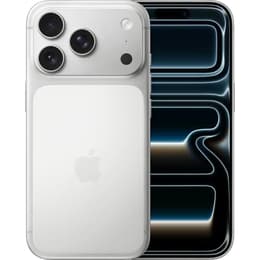
iPhone 17 Pro
Starting at

Refurbished price:A$1,620.00

Versus A$1,999.00 new

See options

Differences at a glance

The Samsung Galaxy Z Flip7 (2025) and the iPhone 17 Pro (2025) represent two distinct approaches to modern mobile technology, contrasting a pocket-friendly folding clamshell design with a traditional, performance-focused slab form factor. While both devices offer high-end capabilities and current-generation software experiences, they cater to fundamentally different physical preferences and ecosystem choices. The Galaxy Z Flip7 runs on Android with Samsung's customized interface, whereas the iPhone 17 Pro operates on Apple's iOS ecosystem. Understanding how their unique hardware builds, display formats, and day-to-day usability differ will help clarify which device fits your personal habits and workflow.

Available Models

Colour

Storage

Scores

Durability

Both smartphones launched in mid-to-late 2025, meaning they share a similar market age and benefit from modern manufacturing standards. However, their structural designs and long-term support timelines introduce distinct practical considerations for longevity.

  • Software Support and Longevity: The iPhone 17 Pro follows Apple's established pattern of long-term operating system updates, typically spanning five to six years. The Galaxy Z Flip7 also features extended software support timelines, ensuring both devices remain secure and current for years of typical daily use.
  • Hardware Durability and Maintenance: The iPhone 17 Pro utilizes a rigid unibody frame reinforced with durable front and back glass materials designed to withstand everyday drops. In contrast, the Galaxy Z Flip7 employs a folding mechanism that requires a flexible inner display, which naturally involves more moving parts while offering the unique advantage of protecting its primary screen when folded shut.
  • Expected Practical Lifespan: Both models are built to easily handle multi-year upgrade cycles, though users who frequently expose their phones to rugged environments may find rigid slab designs less prone to long-term mechanical wear than folding hardware.

Release year

2025

2025

Operating system

Android

iOS

Foldable

Yes

No

Performance

Equipped with robust memory configurations starting at generous storage tiers, both devices handle demanding modern workloads, intensive multitasking, and graphics-heavy mobile games with ease.

  • Storage and Multitasking: Both smartphones offer ample internal storage options starting at 256GB alongside substantial RAM capacity, allowing seamless switching between dozens of open applications without stuttering or forced reloads.
  • System Responsiveness: Advanced internal thermal design and current-generation processing architecture ensure that apps launch instantly, background tasks run efficiently, and intensive tasks maintain stable frame rates across both operating systems.
  • Battery Behavior: The iPhone 17 Pro provides a large battery capacity paired with high energy efficiency to comfortably power a full day of heavy mixed use. The Galaxy Z Flip7 features a more compact internal battery footprint due to its folding chassis, meaning heavy users relying continuously on the main display may need a midday top-up.

Screen quality

Display technology is one of the most prominent points of divergence between these two devices, shifting between a versatile dual-screen folding layout and a bright, traditional immersive panel.

  • Display Technology and Form: The Galaxy Z Flip7 features a flexible inner screen alongside an expanded outer cover display that allows users to check notifications, reply to messages, and run widgets without opening the phone. The iPhone 17 Pro utilizes a traditional flat display panel equipped with adaptive high refresh rate technology for smooth scrolling and fluid motion.
  • Brightness and Outdoor Clarity: Both screens deliver high peak brightness levels and crisp resolutions, ensuring that text remains sharp and content stays clearly visible even under direct sunlight.
  • Viewing Experience: Users watching widescreen videos will notice aspect ratio differences; the iPhone 17 Pro provides a traditional cinematic viewing rectangle, while the folding screen creates a taller canvas that adapts dynamically to split-screen tasks and media apps.

Audiovisual

Imaging capabilities on both devices are tailored for high-quality everyday photography, advanced low-light capture, and professional-grade video recording features.

  • Rear Camera Systems: The iPhone 17 Pro features a versatile triple-lens array incorporating high-resolution sensors and extensive optical zoom options for distant subjects. The Galaxy Z Flip7 relies on a dual rear camera system that delivers vibrant, sharp everyday photos and benefits from flexible positioning angles enabled by its folding hinge.
  • Video Recording: Apple's device incorporates advanced professional logging formats and cinematic stabilization controls aimed at mobile creators. Samsung provides robust video stabilization and intuitive shooting modes that take advantage of the folding frame's ability to act as a built-in tripod on flat surfaces.
  • Audio and Media Output: Both models feature balanced stereo speaker setups that deliver clear dialogue and rich sound output for hands-free calls, podcasts, and casual video viewing.

Miscellaneous

Practical everyday utilities, physical dimensions, and connectivity standards dictate how comfortably each device integrates into travel, work, and daily routines.

  • Connectivity and Ports: Both smartphones support fast 5G networks, modern Wi-Fi protocols, and Bluetooth standards, utilizing reversible connector ports for charging and wired data transfers.
  • Security and Sensors: The iPhone 17 Pro relies on secure facial recognition technology housed within a top screen cutout, whereas the Galaxy Z Flip7 integrates a responsive fingerprint sensor directly into its side power button.
  • Dimensions and Handling: The iPhone 17 Pro offers a comfortable, uniform slab profile built with lightweight structural metals. The Galaxy Z Flip7 features a slightly lighter overall build weight and a compact clamshell footprint that shrinks significantly when folded, slipping easily into small pockets or bags.

Weight

188 oz

206 oz

Screen size (in)

6.9

6.3

Network

5G

5G

SIM card

Physical SIM + eSIM

Physical SIM + eSIM

Carrier compatibility

Unlocked

Unlocked

What the community thinks

User discussions and community feedback highlight distinct preferences for each device based on lifestyle and physical priorities. Owners of the Galaxy Z Flip7 frequently praise its compact pocketability, innovative cover screen utility, and the creative convenience of a folding form factor. Conversely, iPhone 17 Pro users often highlight the reliability of its robust battery life, comprehensive multi-lens camera system, and the seamless integration provided by Apple's ecosystem. At the same time, some users note that folding screens require more mindful handling over time, while others find traditional slab phones less convenient to pocket.

Users prioritizing a compact, easily storable footprint with flexible viewing angles will find the Galaxy Z Flip7 well-suited to their daily routines. Meanwhile, users prioritizing extended battery longevity, advanced optical zoom capabilities, and a traditional heavy-duty build will lean toward the iPhone 17 Pro. For shoppers exploring sustainable choices, a quality-assured refurbished option from Back Market can provide access to these flagship technologies as an eco-friendly alternative. Ultimately, the right choice depends entirely on whether your daily workflow benefits more from a folding pocket design or a traditional high-performance smartphone structure.