Galaxy S21+ 5G vs iPhone XS

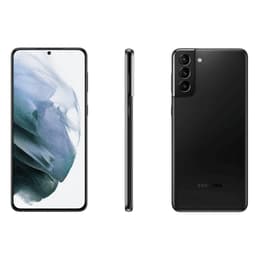
Galaxy S21+ 5G
Galaxy S21+ 5G
Starting at

Refurbished price:A$319.00

Versus A$1,747.00 new

See options
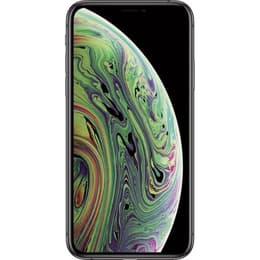
iPhone XS
iPhone XS
Starting at

Refurbished price:A$287.00

Versus A$1,379.00 new

See options

Ratings

The Samsung Galaxy S21 Plus 5G, released in January 2021, and the Apple iPhone Xs, launched in September 2018, represent different generations and operating systems within the smartphone market. While both devices offer premium experiences, the Galaxy S21 Plus 5G introduces more contemporary hardware and connectivity features, whereas the iPhone Xs provides a compact form factor with Apple's established iOS ecosystem. The primary distinctions lie in their release timelines, display technology, camera versatility, and network capabilities.

Scores

Durability

The practical lifespan of a smartphone is influenced by its release date, software support, and physical durability. These two devices, separated by over two years, offer different expectations in these areas.

  • Release Timeline and Software Support: The Galaxy S21 Plus 5G, being a 2021 device, launched with Android 11 and is upgradable to Android 14, with Samsung's One UI 6.1. This means it will likely receive software updates for a longer period into the future compared to the iPhone Xs. The iPhone Xs, released in 2018 with iOS 12, has received updates up to iOS 18.7.7 as of March 2026, demonstrating Apple's commitment to extended software support for its devices.
  • Durability Features: Both smartphones carry an IP68 rating for dust and water resistance, indicating they can withstand submersion in up to 2 meters of water for 30 minutes. The Galaxy S21 Plus 5G features Corning Gorilla Glass Victus for display protection, a newer and more robust glass technology, while the iPhone Xs uses a durable glass mix and surgical-grade stainless steel in its construction.
  • Expected Practical Lifespan: Users typically find that newer devices like the Galaxy S21 Plus 5G offer a longer period of optimal performance and feature compatibility due to their more recent hardware and extended software update cycles. However, the iPhone Xs, despite its age, continues to function reliably for everyday tasks, benefiting from Apple's long-term software and hardware integration.

Release year

2021

2018

Compatible with latest Update

Yes

Yes

Operating system

Android

iOS

Foldable

No

No

Performance

Performance in smartphones is about how smoothly they handle daily tasks, from opening applications to running demanding games. The Galaxy S21 Plus 5G and iPhone Xs approach this with different hardware generations.

  • Processor Capabilities: The Galaxy S21 Plus 5G is equipped with a newer generation 5nm octa-core processor, which translates to efficient handling of demanding applications and multitasking. This allows for a responsive user experience, even with graphically intensive games or complex productivity tools. The iPhone Xs, powered by its A12 Bionic chip, was considered a top-tier performer at its release, offering smooth operation across applications and capable gaming performance for its time.
  • Multitasking and Responsiveness: With 8 GB of RAM, the Galaxy S21 Plus 5G provides ample capacity for keeping multiple applications open and switching between them without significant slowdowns. The iPhone Xs, with 4 GB of RAM, also offers a fluid multitasking experience, optimized by its operating system to manage resources effectively.
  • Battery Behavior: The Galaxy S21 Plus 5G houses a larger 4800 mAh battery, generally providing extended usage times for most users, though some reports indicate varied experiences depending on usage patterns and software updates. The iPhone Xs, with a 2658 mAh battery, is designed to offer a full day of use for many, with specific tests showing over 11 hours of video streaming.

Memory (GB)

8 GB

4 GB

Screen quality

The display is a primary interface for smartphone interaction, and both devices offer high-quality viewing experiences with distinct characteristics.

  • Display Technology and Clarity: Both the Galaxy S21 Plus 5G and the iPhone Xs feature OLED displays, known for their deep blacks and vibrant colors. The Galaxy S21 Plus 5G boasts a 6.7-inch Dynamic AMOLED 2X display with a resolution of 1080 x 2400 pixels, offering sharp visuals. The iPhone Xs has a 5.8-inch Super Retina HD OLED display with a resolution of 2436x1125 pixels, resulting in a high pixel density for clear images.
  • Brightness and Refresh Rate: The Galaxy S21 Plus 5G features an adaptive 120Hz refresh rate, which provides smoother scrolling and more fluid animations compared to the iPhone Xs's standard 60Hz refresh rate. Both displays offer good brightness levels, with the iPhone Xs reaching 625 nits typical maximum brightness, suitable for outdoor visibility.
  • Screen Size and Viewing Experience: The larger 6.7-inch screen of the Galaxy S21 Plus 5G offers a more expansive viewing area, which can enhance media consumption and multitasking. The iPhone Xs, with its 5.8-inch display, provides a more compact and manageable form factor for one-handed use.

Resolution

1080 x 2400

1125 x 2436

Screen type

Dynamic AMOLED 2X

Super Retina OLED

Audiovisual

Camera capabilities are a significant factor for many users, and these two phones offer different photographic strengths and features.

  • Camera System Capabilities: The Galaxy S21 Plus 5G features a versatile triple-camera system on the rear, including a 12MP wide-angle, a 64MP telephoto with 3x hybrid optic zoom, and a 12MP ultra-wide lens. This provides a broader range of photographic options. The iPhone Xs has a dual 12MP camera setup, consisting of a wide-angle and a telephoto lens with 2x optical zoom.
  • Photography Performance: The Galaxy S21 Plus 5G offers improved low-light performance and a versatile setup for various scenarios, including 8K video recording. The iPhone Xs delivers strong performance in good lighting conditions, producing detailed images with good color balance, and features like Smart HDR enhance dynamic range. However, its low-light capabilities are less robust compared to newer devices.
  • Video Recording and Front Camera: Both devices are capable of high-quality video recording, with the Galaxy S21 Plus 5G supporting up to 8K resolution at 24fps and 4K at 60fps, while the iPhone Xs records 4K video at up to 60fps. For selfies and video calls, the Galaxy S21 Plus 5G has a 10MP front camera, capable of 4K video, and the iPhone Xs features a 7MP TrueDepth front camera with Portrait mode and 1080p HD video recording.

Main camera

12 megapixels

12 megapixels

Front camera

10 megapixels

7 megapixels

Miscellaneous

Beyond core features, several practical elements contribute to the overall user experience and differentiate these two smartphones.

  • Connectivity Options: The Galaxy S21 Plus 5G supports modern connectivity standards, including 5G networks and Wi-Fi 6, offering faster data speeds and improved network efficiency. The iPhone Xs supports Gigabit-class LTE and Wi-Fi 802.11ac, which were advanced for its release but do not include 5G capabilities. Both devices feature Bluetooth 5.0 for wireless accessory connections.
  • Port Types and Sensors: The Galaxy S21 Plus 5G utilizes a USB-C port for charging and data transfer, a widely adopted standard. The iPhone Xs uses Apple's proprietary Lightning port. Neither device includes a 3.5mm headphone jack. Both phones incorporate essential sensors like accelerometers, gyroscopes, and ambient light sensors, with the iPhone Xs featuring Face ID for secure facial recognition and the Galaxy S21 Plus 5G offering an ultrasonic fingerprint sensor.
  • Dimensions, Weight, and Materials: The Galaxy S21 Plus 5G is larger and heavier, measuring 161.5 x 75.6 x 7.8 mm and weighing 202 g, with a design that includes a flat display and a luxurious haze finish. The iPhone Xs is more compact at 143.6 x 70.9 x 7.7 mm and 177 g, featuring a glass back and surgical-grade stainless steel frame.

Weight

200 oz

177 oz

Screen size (in)

6.7

5.8

SIM card

Physical SIM + eSIM

Physical SIM + eSIM

Carrier compatibility

Unlocked

Unlocked

The Samsung Galaxy S21 Plus 5G and the iPhone Xs cater to different user priorities, largely due to their generational gap and distinct operating system philosophies. User sentiment for the Galaxy S21 Plus 5G often highlights its appealing design, vibrant 120Hz AMOLED display, and generally strong battery performance, though some users have noted occasional heating or sluggishness with heavy use, particularly on certain processor variants. The flat screen design of the S21 Plus 5G is also a point of praise for some users.

For the iPhone Xs, common praise centers on its robust performance for its age, the fluidity of the iOS experience, and its capable camera in well-lit conditions. Criticisms often point to its less impressive low-light camera performance compared to newer devices and its relatively smaller battery capacity. Some users also found its weight to be noticeable.

Users prioritizing a larger, more modern display with a high refresh rate, 5G connectivity, and a versatile multi-lens camera system may find the Galaxy S21 Plus 5G well-suited to their needs. Its newer hardware offers a more future-proof experience, especially for those who consume a lot of media or require faster network speeds. Conversely, users who prefer a more compact device, are deeply integrated into the Apple ecosystem, and value consistent software updates over a longer period, might lean towards the iPhone Xs. While older, it still delivers a reliable and smooth experience for everyday tasks.

Both devices, whether new or as a quality-assured refurbished option, offer distinct advantages. Choosing between them depends on whether a user prioritizes the latest technological advancements and a larger Android experience or a more established, compact iOS device with proven longevity.

See all articles

Our recent comparisons