
Compare models

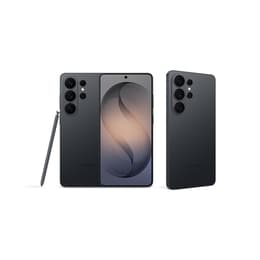
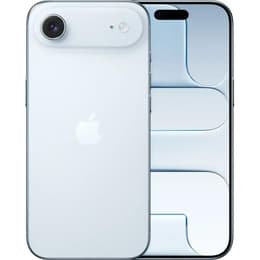
Galaxy S26 Ultra vs iPhone Air

  • 1-year warranty
  • Free standard shipping
  • Free 30-day returns
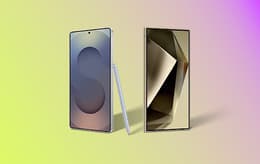
Galaxy S26 Ultra
Starting at

Refurbished price:A$1,516.00

Versus A$2,199.00 new

See options
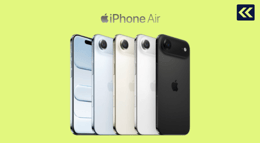
iPhone Air
Starting at

Refurbished price:A$1,061.00

Versus A$1,899.00 new

See options

Differences at a glance

The Samsung Galaxy S26 Ultra (2026) and the Apple iPhone Air (2025) represent two distinct approaches to high-end smartphone design, prioritizing absolute feature versatility versus ultra-slim portability. While the Galaxy S26 Ultra functions as a feature-rich productivity powerhouse running Android, the iPhone Air introduces a lightweight, thin profile running iOS. Both models cater to users seeking modern performance, though their physical forms and ecosystem foundations differ significantly.

Available Models

Colour

Storage (GB)

Scores

Durability

Both devices are built for long-term ownership, though they approach durability and software support through different ecosystems.

  • Software Support: The Galaxy S26 Ultra provides extended multi-year operating system upgrades, whereas the iPhone Air benefits from Apple's streamlined software update cycle and ecosystem longevity.
  • Build and Repairability: Both models utilize durable metal frames and reinforced front glass shields designed to withstand daily wear, maintaining reliable structural integrity over several years of standard use.
  • Lifespan Expectations: Users can anticipate a multi-year practical lifespan from both devices, supported by robust hardware components that easily handle evolving software demands.

Release year

2026

2025

Operating system

Android

iOS

Foldable

No

No

Performance

System responsiveness and everyday multitasking are managed smoothly on both models through high-end internal components and ample memory configurations.

  • Multitasking and App Loading: Both devices switch between demanding applications effortlessly, handle intensive gaming smoothly, and maintain background processes without notable slowdowns.
  • Storage Configurations: Multiple storage tiers are available on both models to accommodate large media libraries, document collections, and application data without reliance on expandable memory cards.
  • Battery Behavior: The Galaxy S26 Ultra includes a larger physical battery capacity for extended heavy usage, while the iPhone Air relies on power-efficient hardware management to sustain standard daily routines.

Screen quality

Display technologies on both smartphones deliver bright, sharp, and fluid viewing experiences tailored for media consumption and daily reading.

  • Display Technology: Both models utilize advanced OLED panels that produce deep blacks, high contrast ratios, and vivid color accuracy for everyday tasks.
  • Smoothness and Refresh Rate: High refresh rate support ensures fluid scrolling through web pages, social media feeds, and user interfaces on both devices.
  • Outdoor Visibility: High peak brightness levels allow both screens to remain clearly legible under direct sunlight or bright ambient lighting conditions.

Resolution

1440x3120

2736x1260

Audiovisual

Photography and video recording capabilities differ to suit varying user preferences for focal length versatility and media creation tools.

  • Camera Systems: The Galaxy S26 Ultra features a versatile multi-lens setup including dedicated optical zoom capabilities, while the iPhone Air focuses on a streamlined single-lens primary design supported by computational photography.
  • Video and Audio Quality: Both devices record stable, high-resolution video with clear audio capture, making them well-suited for casual recording and content creation.
  • Media Consumption: Built-in speaker configurations deliver clear sound output for casual video playback, hands-free calls, and listening to music without external accessories.

Miscellaneous

Practical daily usability elements, including connectivity standards and physical handling characteristics, highlight the distinct engineering choices of each brand.

  • Connectivity and Ports: Both models support modern 5G cellular networks, high-speed Wi-Fi standards, and universal USB-C connectivity for charging and data transfer.
  • Security and Sensors: Biometric authentication is handled via secure facial recognition on the iPhone Air, while the Galaxy S26 Ultra offers an in-display fingerprint sensor alongside facial recognition.
  • Handling and Dimensions: The Galaxy S26 Ultra provides a larger screen area with a heavier footprint, whereas the iPhone Air emphasizes a remarkably thin and lightweight frame for effortless pocketability.

Weight

214 oz

165 oz

Screen size (in)

6.9

6.5

Network

5G

5G

SIM card

Physical SIM + eSIM

eSIM

Carrier compatibility

Unlocked

Unlocked

What the community thinks

User discussions and community feedback indicate that buyer satisfaction often centers on form factor preferences and operating system familiarity. Users praising the Galaxy S26 Ultra frequently highlight its expansive display, versatile zoom lenses, and comprehensive stylus integration. Conversely, common praise for the iPhone Air focuses on its exceptionally lightweight construction, slim profile, and intuitive ecosystem integration. Occasional discussions note that the slim build of the iPhone Air limits maximum battery capacity during very heavy use, while the larger dimensions of the Galaxy S26 Ultra can feel heavy during prolonged one-handed operation.

Users prioritizing productivity, advanced photography reach, and multi-app flexibility may prefer the Galaxy S26 Ultra, while users valuing portability, minimalism, and a lightweight feel will find the iPhone Air well-suited to their daily routine. For those exploring sustainable purchasing alternatives, a quality-assured refurbished option provides a reliable and eco-friendly path to owning high-end technology. Ultimately, the choice depends on whether physical slimness or expansive feature capability aligns more closely with individual usage habits.