Compare models

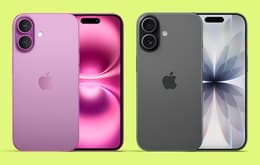
Galaxy A15 5G vs iPhone 17

  • 1-year warranty
  • Free standard shipping
  • Free 30-day returns
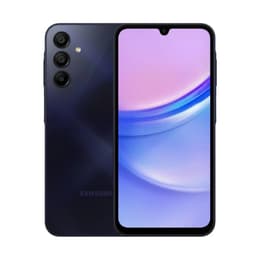
Galaxy A15 5G
Starting at

Refurbished price:A$190.00

Versus A$411.00 new

See options
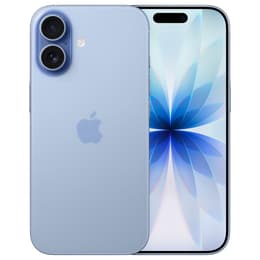
iPhone 17
Starting at

Refurbished price:A$1,229.00

Versus A$1,549.00 new

See options

Differences at a glance

The Samsung Galaxy A15 5G (2023) and the Apple iPhone 17 (2025) are distinct smartphones targeting very different user preferences within the modern mobile landscape. Operating on Android and iOS respectively, these devices approach everyday communication, computing, and media consumption through contrasting design philosophies and release timelines.

While the Galaxy A15 5G focuses on delivering essential connectivity and daily reliability within an accessible framework, the iPhone 17 integrates advanced display technology and high-tier processing capabilities into a contemporary flagship build. Understanding how their practical features compare helps clarify which device aligns with specific user requirements.

Available Models

Colour

Storage

Scores

Durability

Device longevity depends on release age, update schedules, and physical build resilience, each handling long-term usage sustainability differently.

  • Software Support: The iPhone 17 benefits from Apple's extended multi-year iOS update path, whereas the Galaxy A15 5G provides a structured multi-year commitment for Android security patches and system updates.
  • Hardware Durability: The iPhone 17 incorporates reinforced scratch-resistant glass and advanced water resistance ratings, while the Galaxy A15 5G relies on a traditional plastic frame and back construction suited for standard daily handling.
  • Expected Lifespan: Users can anticipate several years of functional utility from both models, though the newer hardware architecture of the Apple device provides a longer window of peak software compatibility.

Release year

2023

2025

Compatible with latest Update

Yes

Yes

Operating system

Android

iOS

Foldable

No

No

Performance

Processing capabilities, multitasking potential, and battery behavior dictate how smoothly each smartphone handles demanding applications and day-to-day routines.

  • Execution Speed: The iPhone 17 handles intensive multitasking, high-end gaming, and heavy background tasks smoothly with its advanced current-generation processor, while the Galaxy A15 5G manages standard messaging, web browsing, and casual apps reliably using its entry-tier processor.
  • Storage and Memory: Apple equips the iPhone 17 with generous base storage options and ample RAM for fluid system switching, whereas the Galaxy A15 5G offers modest internal memory alongside expandable storage via a microSD card slot.
  • Power Management: The Galaxy A15 5G features a large capacity battery that easily sustains a full day of moderate use, while the iPhone 17 optimizes energy efficiency tightly through its operating system to maintain reliable daily battery endurance.

Screen quality

Display characteristics significantly shape visual clarity, outdoor legibility, and overall media enjoyment during daily operation.

  • Panel Technology: Both models utilize vibrant OLED display technology that delivers deep black levels and high contrast, though the iPhone 17 introduces an adaptive high refresh rate for smoother scrolling.
  • Brightness and Outdoors: The iPhone 17 achieves exceptionally high peak brightness levels for clear outdoor visibility under direct sunlight, while the Galaxy A15 5G offers dependable indoor legibility with moderate outdoor brightness peaks.
  • Physical Dimensions: The iPhone 17 presents a refined 6.3-inch viewing area with slim bezels, compared to the slightly broader 6.5-inch panel found on the Galaxy A15 5G.

Audiovisual

Optics, video recording quality, and audio output influence how well each smartphone captures memories and reproduces media content.

  • Camera Systems: The iPhone 17 utilizes dual high-resolution sensors with advanced computational photography features for detailed everyday images and low-light portraits, whereas the Galaxy A15 5G employs a triple-lens arrangement featuring a standard main sensor alongside ultra-wide and macro options for versatile shooting.
  • Video and Audio: Apple's device records stable high-resolution video accompanied by clear stereo speakers, while Samsung's model handles standard definition recording and relies on a single bottom-firing loudspeaker for audio playback.
  • Selfie Performance: The front-facing camera on the iPhone 17 incorporates specialized framing technology for enhanced video calls, matching the practical capabilities of the Galaxy A15 5G's front sensor.

Front camera

13 megapixels

18 megapixels

Miscellaneous

Physical dimensions, connectivity standards, and everyday peripheral integration determine how comfortably each device fits into varied lifestyles.

  • Connectivity Standards: The iPhone 17 supports modern fifth-generation cellular bands alongside advanced wireless protocols, matching the 5G and standard Wi-Fi capabilities provided by the Galaxy A15 5G.
  • Physical Ports: Apple utilizes a universal USB-C connection for data transfer and charging, mirroring the modern charging port found on Samsung's device, though the Galaxy A15 5G uniquely retains a traditional 3.5mm headphone jack.
  • Security and Build: The Galaxy A15 5G uses a side-mounted fingerprint scanner for biometric unlocking, while the iPhone 17 relies exclusively on facial recognition technology embedded within its display cutout.

Weight

200 oz

177 oz

Screen size (in)

6.5

6.3

Network

5G

5G

SIM card

Physical SIM

Physical SIM + eSIM

Carrier compatibility

Unlocked

Unlocked

What the community thinks

User feedback from online communities highlights distinct preferences for each device based on individual daily needs. Owners of the Galaxy A15 5G frequently praise its dependable battery life, reliable daily messaging performance, and the inclusion of expandable storage. Common discussions note that heavy gaming or intensive photography can occasionally push its entry-level processor beyond its comfort zone. Conversely, users of the iPhone 17 emphasize satisfaction with its fluid display refresh rate, robust build materials, and high-quality camera output, though some point out the higher initial tier of hardware sophistication.

Users prioritizing long-term processing headroom, advanced photography, and premium display fluidity may prefer the iPhone 17, while users focusing on straightforward daily communication, expandable storage, and simple reliability will find the Galaxy A15 5G well-suited to their needs. For consumers exploring sustainable technology habits, a quality-assured refurbished option provides an eco-friendly alternative that reduces electronic waste without compromising on functional verification. Selecting the right device ultimately depends on balancing software longevity, performance expectations, and preferred mobile ecosystems.