
Compare models

Galaxy S25 vs iPhone Air

  • 1-year warranty
  • Free standard shipping
  • Free 30-day returns
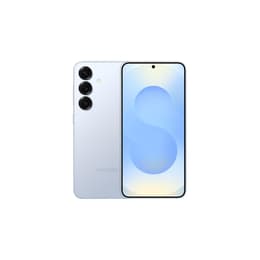
Galaxy S25
Starting at

Refurbished price:A$729.00

Versus A$1,399.00 new

See options
iPhone Air
Starting at

Refurbished price:A$1,061.00

Versus A$1,899.00 new

See options

Differences at a glance

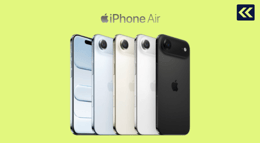
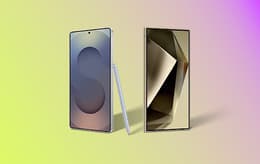
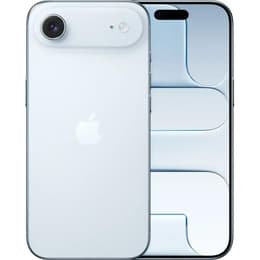
The Samsung Galaxy S25 (2025) and the Apple iPhone Air (2025) represent two distinct approaches to modern smartphone engineering, balancing pocket-friendly ergonomics with advanced processing capabilities. While the Galaxy S25 focuses on a compact, pocketable footprint with a multi-lens camera system running on the Android operating system, the iPhone Air introduces a breakthrough ultra-slim profile running iOS, prioritizing lightweight handling and a streamlined single-lens layout.

Both devices cater to users seeking high-end performance, yet they achieve their respective designs through completely different structural philosophies and software environments.

Available Models

Colour

Storage (GB)

Scores

Durability

Long-term usability depends heavily on software update commitments and hardware endurance, with both models built to remain reliable choices for years of daily ownership.

  • Software longevity: The Galaxy S25 benefits from an extended multi-year update framework covering both system versions and security patches, while Apple traditionally supports its device ecosystem with timely software upgrades over a similarly lengthy span.
  • Repairability and build: Both models utilize robust outer shielding, though users aiming for sustainable tech consumption often explore a quality-assured refurbished option to extend device lifecycles.
  • Expected lifespan: Current-generation internal memory and robust thermal management ensure both units handle demanding background tasks reliably throughout multiple years of regular use.

Release year

2025

2025

Operating system

Android

iOS

Foldable

No

No

Performance

Everyday execution and multitasking fluidity stand out as core strengths for both handsets, though their internal hardware allocations approach resource management differently.

  • Multitasking and responsiveness: Both devices handle heavy apps, resource-intensive mobile games, and split-screen workflows smoothly without noticeable stutter or slowdowns.
  • Storage configurations: Both models offer ample internal storage tiers starting at generous capacities, ensuring plenty of room for offline media, applications, and high-resolution files.
  • Battery behavior: The Galaxy S25 utilizes a balanced power profile tailored for standard daily use, while the ultra-slim profile of the iPhone Air packs a compact power cell that manages daily energy efficiency tightly under varied workloads.

Screen quality

Visual immersion is a priority for both manufacturers, delivering bright, sharp panels capable of handling HDR media and outdoor legibility with ease.

  • Display technology: Both models feature vibrant OLED panels that produce deep black levels and vivid contrast, providing an engaging environment for streaming video and browsing.
  • Outdoor visibility: High peak brightness capabilities ensure that screens remain clearly legible even under direct sunlight or bright ambient lighting conditions.
  • Refresh rate and smoothness: Dynamic high refresh rate support enables fluid scrolling through web pages and smooth animation transitions during regular system navigation.

Resolution

1080x2340

2736x1260

Audiovisual

Media capture capabilities reflect the distinct physical designs of each device, offering flexible tools for everyday photography and video recording.

  • Camera systems: The Galaxy S25 provides a versatile multi-lens array including telephoto zoom capabilities, whereas the iPhone Air emphasizes a streamlined single high-resolution main sensor housed within a slim camera plateau.
  • Low-light performance: Advanced image processing helps both devices capture clear, balanced photos in challenging lighting conditions with minimal digital noise.
  • Audio and media output: Built-in microphone arrays and internal speaker setups deliver clear voice recording during calls and adequate media playback quality for casual viewing.

Miscellaneous

Physical dimensions and connectivity standards define how comfortably each device integrates into travel routines and daily handling.

  • Build and dimensions: The Galaxy S25 offers a traditional, highly compact form factor, whereas the iPhone Air stands out as an exceptionally thin and lightweight device built around a rigid titanium frame.
  • Connectivity options: Both models incorporate current-generation 5G connectivity, fast Wi-Fi standards, and short-range wireless protocols for seamless accessory pairing.
  • Biometrics and security: Fast biometric authentication is handled via secure facial recognition on the Apple side and an ultrasonic in-screen fingerprint sensor on the Samsung model.

Weight

162 oz

165 oz

Screen size (in)

6.2

6.5

Network

5G

5G

SIM card

Physical SIM + eSIM

eSIM

Carrier compatibility

Unlocked

Unlocked

What the community thinks

User feedback on community forums highlights distinct preferences for each device based on physical form factor and operating system ecosystem. Owners of the Galaxy S25 frequently praise its traditional, pocket-friendly ergonomics, versatile multi-lens camera setup, and reliable daily battery handling. Conversely, users often commend the iPhone Air for its striking ultra-slim profile, exceptionally lightweight feel in the hand, and smooth iOS integration. At the same time, some community discussions note that the slim physical profile of the Apple model leaves less room for larger battery capacity, while the Samsung device maintains a more conventional thickness.

Users prioritizing a traditional, compact footprint with optical zoom flexibility may prefer the Galaxy S25, while users prioritizing an ultra-lightweight, minimalist chassis and the iOS environment will find the iPhone Air well-suited to their needs. For consumers exploring sustainable technology paths, opting for a quality-assured refurbished option serves as an eco-friendly alternative that reduces electronic waste without compromising on modern smartphone capabilities. Ultimately, the choice between these two devices rests on personal preferences regarding operating systems, physical handling, and camera versatility.