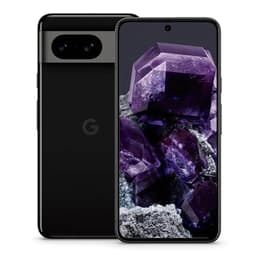

Galaxy S23+ vs Google Pixel 8

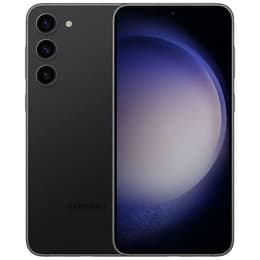
Galaxy S23+
Galaxy S23+
Starting at

Refurbished price:A$539.00

Versus A$1,953.00 new

See options
Google Pixel 8
Google Pixel 8
Starting at

Refurbished price:A$465.00

Versus A$1,245.00 new

See options

Ratings

The Samsung Galaxy S23 Plus, released in February 2023, and the Google Pixel 8, launched in October 2023, are both prominent Android smartphones offering distinct user experiences. While the Galaxy S23 Plus emphasizes a refined hardware experience with a focus on display and battery, the Pixel 8 highlights advanced computational photography and a commitment to extended software support. Both devices run on the Android operating system, but their approaches to software integration and feature sets differ.

Scores

Durability

When considering the long-term usability of these devices, their release timelines and software support policies are key factors.

  • Release Timeline: The Samsung Galaxy S23 Plus was released in February 2023, making it slightly older than the Google Pixel 8, which launched in October 2023. This difference in release date impacts the remaining duration of software support.
  • OS Support Duration: Google has committed to an extensive seven years of OS and security updates for the Pixel 8, setting a new benchmark for Android device longevity. Samsung typically provides 4-5 years of OS updates and 5 years of security updates for its flagship devices, meaning the Galaxy S23 Plus will receive fewer major Android version upgrades compared to the Pixel 8.
  • Repairability: Both devices feature durable builds with IP68 ratings for dust and water resistance. The Galaxy S23 Plus uses Gorilla Glass Victus 2 on both the front and back, while the Pixel 8 uses Gorilla Glass Victus on the front and back.
  • Practical Lifespan: Users prioritizing the absolute longest software support and access to the latest Android features will find the Pixel 8's extended update policy more appealing. The Galaxy S23 Plus still offers a substantial lifespan, but its software support will conclude sooner.

Release year

2023

2023

Compatible with latest Update

Yes

Yes

Operating system

Android

Android

Foldable

No

No

Performance

Both smartphones offer robust performance for daily tasks, but they achieve this through different hardware and software optimizations.

  • Processor Capabilities: The Galaxy S23 Plus is powered by a processor optimized for Samsung devices, delivering strong performance for demanding applications and multitasking. The Pixel 8 features Google's custom-designed processor, which is specifically tuned for AI and machine learning tasks, enhancing features like computational photography and voice processing.
  • System Responsiveness: Both devices provide a smooth and responsive user experience, handling app loading, navigation, and gaming without significant delays. The Galaxy S23 Plus offers consistent high performance, while the Pixel 8's processor excels in tasks leveraging its AI capabilities.
  • Battery Behavior: The Galaxy S23 Plus is equipped with a 4700 mAh battery, generally offering reliable all-day usage for most users. The Pixel 8 has a 4575 mAh battery, and while it's slightly smaller, its power efficiency, aided by its processor, aims for similar daily endurance. User experiences suggest both can last a full day, though heavy usage might require a midday top-up for either.
  • Storage and RAM: The Galaxy S23 Plus comes with 8GB of RAM and storage options of 256GB or 512GB. The Pixel 8 also features 8GB of RAM, with storage options of 128GB or 256GB.

Memory (GB)

8 GB

8 GB

Screen quality

The visual experience on both devices is vibrant and clear, though there are differences in display technology and size.

  • Display Technology: The Galaxy S23 Plus features a 6.6-inch Dynamic AMOLED 2X display, known for its deep blacks and vibrant color reproduction. The Pixel 8 comes with a 6.2-inch Actua OLED display, also offering rich colors and excellent contrast.
  • Resolution and Clarity: Both phones offer Full HD+ resolutions, with the Galaxy S23 Plus at 1080 x 2340 pixels and the Pixel 8 at 1080 x 2400 pixels. This results in sharp images and text on both screens.
  • Brightness Levels: The Galaxy S23 Plus can reach a peak brightness of 1750 nits, providing good visibility in bright outdoor conditions. The Pixel 8 can achieve a peak brightness of up to 2000 nits, offering slightly better outdoor visibility.
  • Refresh Rate: Both devices feature an adaptive refresh rate of up to 120Hz, ensuring smooth scrolling and fluid animations. The Galaxy S23 Plus adapts between 48Hz and 120Hz, while the Pixel 8 adapts between 60Hz and 120Hz.

Resolution

1080 x 2340

1080 x 2400

Screen type

Dynamic AMOLED 2X

OLED

Audiovisual

Both smartphones offer advanced camera systems, each with its strengths in capturing photos and videos.

  • Camera System Capabilities: The Galaxy S23 Plus features a versatile triple-camera setup with a 50MP main sensor, a 12MP ultrawide, and a 10MP telephoto lens with 3x optical zoom. The Pixel 8 has a dual-camera system, including a 50MP main sensor and a 12MP ultrawide lens with autofocus. The Pixel 8 does not include a dedicated telephoto lens, relying on digital zoom.
  • Photography Performance: The Galaxy S23 Plus delivers detailed and color-accurate photos across various lighting conditions, with its telephoto lens providing clear zoomed-in shots. The Pixel 8 excels in computational photography, offering strong low-light performance and advanced features like Magic Editor and Best Take, which enhance image quality and provide creative editing options.
  • Video Recording Quality: Both devices support 4K video recording at 60 frames per second, with the Galaxy S23 Plus also capable of 8K video at 30 frames per second. The Pixel 8 introduces features like Audio Magic Eraser to improve video sound quality.
  • Audio Experience: Both phones offer stereo speakers for media consumption and clear microphone quality for calls and recordings.

Main camera

50 megapixels

50 megapixels

Front camera

12 megapixels

10.5 megapixels

Miscellaneous

Beyond core features, several practical elements differentiate these two smartphones.

  • Connectivity Options: Both the Galaxy S23 Plus and Pixel 8 support 5G connectivity for fast mobile data. The Galaxy S23 Plus includes Wi-Fi 6E, while the Pixel 8 supports the newer Wi-Fi 7 standard, offering potentially faster and more efficient wireless connections where available. Both feature Bluetooth 5.3.
  • Port Types: Both devices utilize a USB-C port for charging and data transfer, aligning with current industry standards. Neither phone includes a traditional headphone jack.
  • Sensors and Biometrics: The Galaxy S23 Plus uses an ultrasonic under-display fingerprint sensor, while the Pixel 8 employs an optical under-display fingerprint sensor. Both also offer face recognition for unlocking.
  • Weight and Dimensions: The Galaxy S23 Plus measures 157.8 x 76.2 x 7.6 mm and weighs 196g, offering a larger form factor. The Pixel 8 is more compact at 150.5 x 70.8 x 8.9 mm and weighs 187g, making it slightly easier for one-handed use.
  • Build Materials: The Galaxy S23 Plus features Gorilla Glass Victus 2 on the front and back with an Armor Aluminum frame. The Pixel 8 uses Gorilla Glass Victus on the front and back with an aluminum frame.

Weight

196 oz

187 oz

Screen size (in)

6.6

6.2

Network

5G

5G

SIM card

Physical SIM + eSIM

Physical SIM + eSIM

Carrier compatibility

Unlocked

Unlocked

The Samsung Galaxy S23 Plus and Google Pixel 8 each present a compelling package, catering to slightly different user preferences. Users often praise the Galaxy S23 Plus for its robust hardware, bright display, and consistent performance across various tasks. Its triple camera system, including a dedicated telephoto lens, is frequently highlighted for its versatility in photography. Some users, however, might note its slightly larger size compared to the Pixel 8.

The Google Pixel 8 receives acclaim for its exceptional computational photography capabilities, delivering impressive results, especially in challenging lighting conditions, and its unique AI-driven features. Its commitment to seven years of software updates is a significant advantage for those seeking long-term device support. Some common feedback points to its battery life being good for a day but not necessarily extending much beyond that for heavy users, and its lack of a dedicated telephoto lens.

Users prioritizing a larger display, a dedicated telephoto camera, and a slightly more premium hardware feel may prefer the Samsung Galaxy S23 Plus. Conversely, users who value cutting-edge computational photography, extensive software longevity, and a more compact form factor will find the Google Pixel 8 well-suited to their needs. Both devices offer a quality-assured refurbished option, providing an eco-friendly alternative for consumers looking to make a sustainable choice without compromising on performance.

See all articles

Our recent comparisons