Compare models
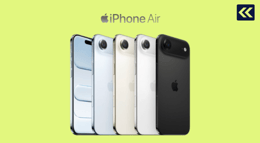
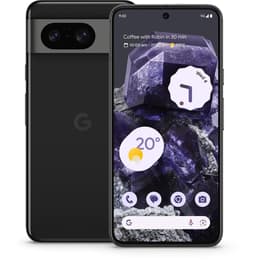
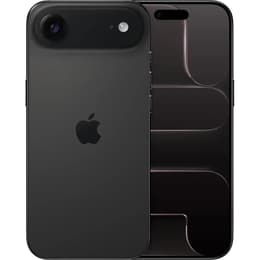
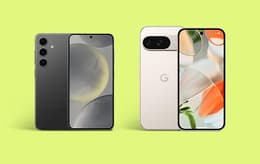
Google Pixel 8a vs iPhone Air
- 1-year warranty
- Free standard shipping
- Free 30-day returns
Differences at a glance
The Google Pixel 8a (2024) and the Apple iPhone Air (2025) represent two distinct approaches to modern smartphone design, targeting users with different platform preferences and hardware priorities. While the Pixel 8a focuses on practical everyday versatility within the Android ecosystem, the iPhone Air emphasizes an ultra-slim profile and a large display running iOS. These devices differ fundamentally in their build philosophy, operating systems, and physical dimensions.
Available Models
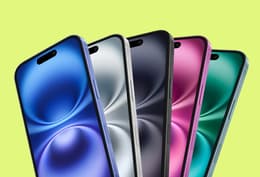
Colour
Storage
Scores
Durability
When evaluating the longevity and structural build of these two devices, users will find contrasting update commitments and material designs suited to different handling preferences.
- Software Support: Both manufacturers provide long-term operating system updates, ensuring security and feature upgrades across multiple years of ownership.
- Repairability and Build: The Pixel 8a utilizes a matte composite back with an aluminum frame, whereas the iPhone Air features a lightweight titanium chassis paired with advanced glass protection.
- Expected Lifespan: Both models are built to sustain routine daily wear, though users should consider how battery health degrades over years of heavy charging cycles.
Release year
2024
2025
Compatible with latest Update
Yes
Yes
Operating system
Android
iOS
Foldable
No
No
Performance
Underneath the surface, these smartphones handle daily multitasking, app loading, and processing tasks through capable internal architectures paired with ample memory.
- System Responsiveness: Both devices switch smoothly between multiple open applications, handling standard productivity tools, web browsing, and casual gaming without noticeable lag.
- Storage Configurations: Multiple capacity tiers are available across both models to accommodate varying collections of local photos, downloaded media, and offline files.
- Battery Behavior: The Pixel 8a carries a robust battery capacity designed to sustain a standard day of mixed use, while the iPhone Air balances its much thinner physical profile with power-efficient internal components.
Screen quality
Display characteristics differ significantly in physical dimensions, panel technology, and viewing metrics between the two models.
- Panel Technology and Size: The Pixel 8a features a compact 6.1-inch OLED screen, whereas the iPhone Air offers a larger 6.5-inch OLED display with narrow borders.
- Visual Smoothness: Both screens support high refresh rates up to 120Hz, delivering fluid scrolling through web pages and smooth animations.
- Outdoor Visibility: High peak brightness capabilities on both panels allow contents to remain legible under direct sunlight, though maximum luminance levels vary by model.
Resolution
1080 x 2400
2736x1260
Screen type
OLED
Super Retina XDR
Audiovisual
Optics and media consumption hardware cater to casual photographers and daily communicators with distinct lens configurations and audio output setups.
- Camera Hardware: The Pixel 8a incorporates a dual rear camera system including an ultra-wide lens, while the iPhone Air opts for a single streamlined rear fusion camera.
- Video and Photo Quality: Both smartphones capture crisp details, steady video recording, and reliable low-light imagery using computational processing enhancements.
- Audio Experience: Built-in microphone arrays handle calls cleanly, and internal speaker setups deliver adequate sound for casual video playback and media streaming.
Main camera
64 megapixels
48 megapixels
Front camera
13 megapixels
18 megapixels
Miscellaneous
Practical everyday features, connectivity standards, and physical dimensions shape how each device fits into a user's routine.
- Connectivity and Ports: Both models support current wireless standards including 5G networks and fast Wi-Fi, utilizing USB-C standards for wired connections.
- Physical Dimensions: The Pixel 8a weighs 188 grams with a standard thickness, contrasting sharply with the iPhone Air's notably thin 5.6-millimeter profile and lighter 165-gram weight.
- Biometrics: Secure authentication is handled via facial recognition and integrated display fingerprint scanning or secure enclave verification depending on the ecosystem.
Weight
188 oz
165 oz
Screen size (in)
6.1
6.5
Network
5G
5G
SIM card
Physical SIM + eSIM
eSIM
Carrier compatibility
Unlocked
Unlocked
What the community thinks
User discussions across community forums highlight distinct preferences for each device based on operating system loyalty and hardware design. Pixel 8a users frequently praise its straightforward software interface, reliable dual-camera versatility, and pocket-friendly dimensions. Conversely, iPhone Air owners often emphasize appreciation for the exceptionally thin titanium construction and seamless integration within the Apple ecosystem. Common criticisms for the Pixel involve standard charging speeds, while iPhone discussions sometimes note trade-offs associated with single-lens rear camera flexibility.
Users prioritizing a compact form factor, traditional dual-lens photography, and the Android environment will find the Google Pixel 8a well-suited to their daily routines. Meanwhile, users who lean toward iOS and value an exceptionally lightweight, ultra-slim profile with a larger screen may prefer the iPhone Air. Choosing a quality-assured refurbished option provides an eco-friendly, sustainable way to acquire either device while reducing electronic waste. Ultimately, the right choice depends entirely on individual software preferences and ergonomic priorities.