Compare models
Galaxy S23 Ultra vs iPhone Air
- 1-year warranty
- Free standard shipping
- Free 30-day returns
Differences at a glance
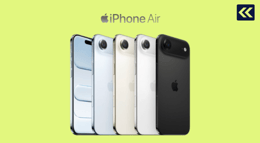
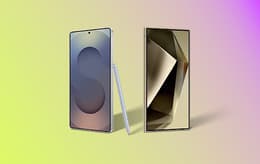
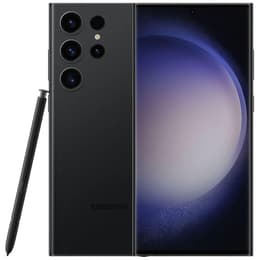
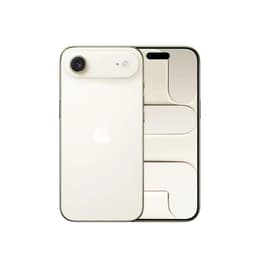
The Samsung Galaxy S23 Ultra (2023) and the Apple iPhone Air (2025) represent two distinct approaches to high-end smartphone design and engineering. While the Galaxy S23 Ultra focuses on a comprehensive powerhouse experience featuring a built-in stylus and versatile multi-lens camera array, the iPhone Air prioritizes an ultra-slim profile and streamlined modern capability. Operating on Android and iOS respectively, these devices cater to users looking for flagship performance wrapped in contrasting physical formats.
Available Models
Colour
Storage
Scores
Durability
When evaluating long-term utility and durability, both devices offer robust build qualities and extended software support timelines matching their respective ecosystems.
- Software Support: The Galaxy S23 Ultra provides multi-year operating system updates and security patches from its 2023 launch window, whereas the newer iPhone Air benefits from an extended software support horizon tied to its 2025 release.
- Build Integrity: The Galaxy S23 Ultra utilizes durable glass and armor aluminum framing alongside an IP68 water resistance rating, while the iPhone Air features a lightweight titanium chassis paired with reinforced ceramic front and back glass protection.
- Practical Lifespan: Both models retain high system responsiveness over years of regular use, though opting for a quality-assured refurbished option provides a sustainable way to access these durable flagship platforms.
Release year
2023
2025
Compatible with latest Update
Yes
Yes
Operating system
Android
iOS
Foldable
No
No
Performance
Both smartphones handle demanding daily applications, intense multitasking, and graphic-heavy gaming with seamless fluency, though they manage internal resources differently.
- System Responsiveness: Each model loads applications instantly and transitions between multiple background tasks smoothly, backed by generous memory configurations and efficient current-generation internal processing architecture.
- Battery Behavior: The Galaxy S23 Ultra features a high-capacity battery designed to comfortably navigate heavy daily workloads, whereas the slim profile of the iPhone Air houses a smaller battery cell that requires efficient power management for full-day endurance.
- Storage Configurations: Both devices offer ample internal storage tiers starting at generous capacities to accommodate large media libraries and documents without external expansion slots.
Screen quality
Viewing experiences on both handsets deliver exceptional clarity, vibrant color reproduction, and high contrast suitable for all types of visual media.
- Display Technology: The Galaxy S23 Ultra features a large curved AMOLED display, while the iPhone Air utilizes a flat OLED panel equipped with adaptive high refresh rates for smooth scrolling.
- Outdoor Visibility: Both screens achieve high peak brightness levels that maintain legibility and sharp text rendering even under direct sunlight.
- Viewing Immersion: The Galaxy S23 Ultra offers a more expansive viewing area for productivity tasks, whereas the iPhone Air balances screen estate with a comfortable hand-holding footprint.
Resolution
1440 x 3088
2736x1260
Screen type
Dynamic AMOLED 2X
Super Retina XDR
Audiovisual
Photography and media capture capabilities differ significantly based on the lens hardware philosophy chosen for each distinct chassis design.
- Camera Systems: The Galaxy S23 Ultra employs a versatile quad-lens rear array featuring high-resolution main sensors and multiple telephoto lenses for diverse zoom options, contrasted by the iPhone Air and its streamlined single high-pixel main camera setup.
- Video and Audio: Both devices record stable, high-definition video with clear audio capture during calls or media recording, supported by capable internal microphone arrays.
- Media Consumption: Built-in stereo speaker setups on both smartphones deliver clear, balanced sound output for casual video watching and hands-free calling.
Main camera
200 megapixels
48 megapixels
Front camera
12 megapixels
18 megapixels
Miscellaneous
Practical daily usability elements, physical dimensions, and connectivity standards highlight further contrasts in everyday handling.
- Dimensions and Weight: The Galaxy S23 Ultra is a larger, heavier device designed to accommodate its stylus silo, whereas the iPhone Air focuses on a remarkably thin and lightweight form factor.
- Connectivity: Both models support modern 5G networks, fast Wi-Fi standards, and Bluetooth pairing for seamless accessory connection.
- Biometrics: Secure unlocking is handled via responsive under-display fingerprint sensing and facial recognition on the Samsung, alongside secure facial scanning on the Apple device.
Weight
234 oz
165 oz
Screen size (in)
6.8
6.5
Network
5G
5G
SIM card
Dual Physical SIM + eSIM
eSIM
Carrier compatibility
Unlocked
Unlocked
What the community thinks
User feedback highlights distinct preferences for each device across community forums. Owners of the Galaxy S23 Ultra frequently praise its exceptional zoom versatility, expansive screen space, and the everyday utility of the integrated stylus. Conversely, users often commend the iPhone Air for its groundbreaking lightweight profile, comfortable pocketability, and sleek aesthetic design. Some criticisms note that the S23 Ultra can feel heavy during prolonged one-handed use, while users occasionally mention that the single-lens setup and smaller battery of the iPhone Air require adjustments depending on individual usage habits.
Users prioritizing productivity tools, extensive zoom photography, and a large canvas will find the Galaxy S23 Ultra well-suited to their needs. Meanwhile, users prioritizing a featherlight feel, minimalist design, and streamlined daily performance may lean toward the iPhone Air. Choosing a quality-assured refurbished option allows consumers to acquire these advanced technologies as a sustainable choice that aligns with eco-friendly purchasing goals.